Top 10 Thermoforming Machine Manufacturers in China

Thermoforming turns heated plastic sheets into trays, lids, containers, and custom parts. The process looks simple from a distance. On a factory floor, however, sheet control, mold design, heating consistency, and cycle time shape the final result. Buyers comparing Chinese manufacturers need more than impressive machine photographs. They need evidence of repeatable production, responsive engineering, and dependable after-sales support.

Grand View Research estimated the global thermoformed plastics market at about USD 48.8 billion in 2023, with projected annual growth of 5.1% from 2024 to 2030. This market estimate reflects demand across packaging, healthcare, automotive, and other applications; it is not a direct measure of machine sales. Still, it signals why equipment makers are investing in automation, material efficiency, and flexible production lines. Details matter. A practical comparison should examine forming area, heating zones, tooling options, output claims, and the availability of spare parts. A quoted cycle time means little without the product, material, and operating conditions behind it.

This guide profiles ten thermoforming machine manufacturers in China and considers their product focus, technical capabilities, and service footprint. The list is intended as a starting point, not a universal ranking. Company information can change, and public specifications do not always tell the whole story. A polished catalog is not proof of stable output. Where possible, buyers should request sample runs, inspect comparable installations, and confirm performance requirements directly with each supplier.
Top 10 Thermoforming Machine Manufacturers in China

Thermoforming Machines and Their Role in China’s Manufacturing Industry

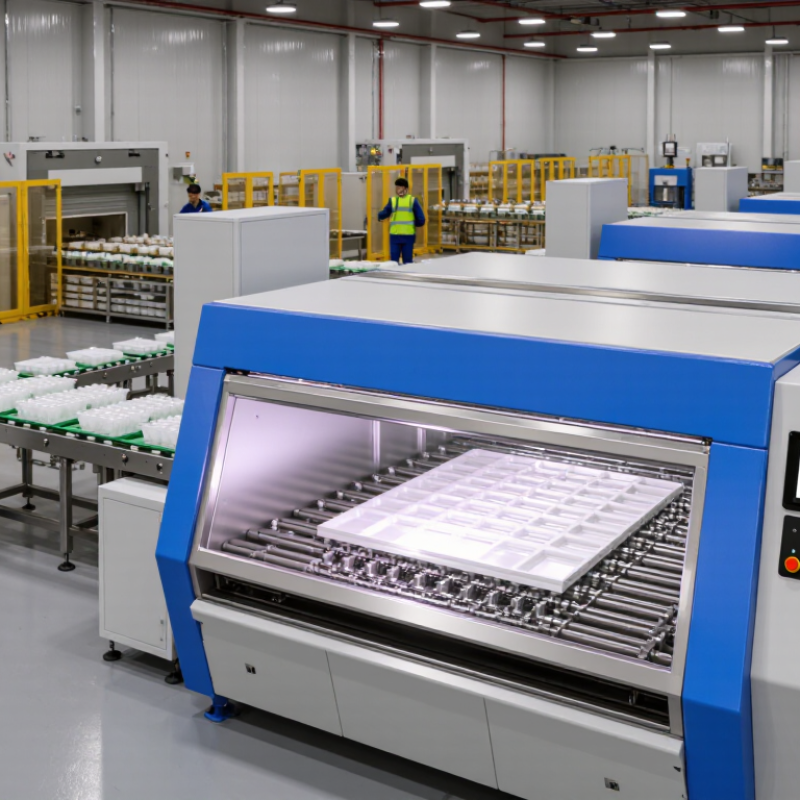
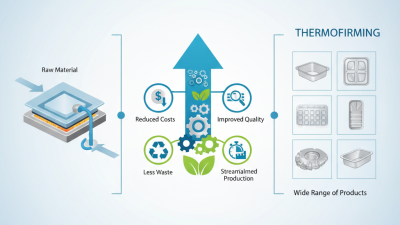
Thermoforming machines support China’s manufacturing industry by turning heated plastic sheets into repeatable, lightweight parts. A sheet is warmed until pliable, drawn over or into a mold, then cooled and trimmed. The process serves food packaging, appliance housings, transport interiors, and protective trays. A formed tray can be checked for wall thickness, edge quality, and consistent fit before production continues. These practical checks matter more than a fast cycle alone.

Machine capability depends on several linked choices: heating control, mold design, forming pressure or vacuum, and trimming accuracy. In a busy plant, uneven heating may cause thin corners or warped edges. Operators monitor temperatures and sample parts, adjusting settings when material or ambient conditions change. Small details count. Automation can reduce repetitive handling, but it does not remove the need for skilled setup and maintenance.

For manufacturers in China, thermoforming offers flexible production for both high-volume orders and changing product designs. Tooling can be adapted, and some lines can switch between product sizes with planned setup work. Still, flexibility has limits. Material use, scrap rates, energy demand, and quality inspection all affect the real cost of a part. A line may look efficient on paper, yet create avoidable waste if settings drift. That gap deserves attention. The industry’s value lies not only in producing more parts, but in making them consistently and improving the process over time.
Key Criteria for Evaluating Thermoforming Machine Manufacturers

A sound evaluation starts with the parts you need to make, not a machine catalogue. Give each manufacturer sample drawings, material types, sheet dimensions, and target output. Ask whether the proposed machine can handle your actual forming depth and trim requirements. Request clear specifications for heating zones, clamping force, forming method, and cycle time. Numbers matter. So does the test setup behind them. A quoted cycle time may not reflect your material, mold, or production conditions.

Check how the manufacturer verifies performance before shipment. A factory acceptance test using your material or a comparable sample can reveal uneven heating, slow changeovers, or awkward controls. Ask about mold compatibility, operator training, spare-part availability, and response times for technical support. Request references for similar applications, then ask what problems arose after installation. Brochures rarely show that part. Compare energy use and maintenance access, not only purchase price. Keep the questions specific, and record the answers. Even a careful checklist has limits; test conditions can differ from your own workshop, and I would leave room for that uncertainty when comparing proposals.

Top 10 Thermoforming Machine Manufacturers in China

Key Criteria for Evaluating Thermoforming Machine Manufacturers

This chart presents suggested evaluation weights, not measured market data or supplier ratings. Prioritize material and process fit, machine capacity, output requirements, reliability, energy use, safety, and after-sales support according to your production needs.

Profiles of 10 Leading Thermoforming Machine Manufacturers in China

China’s thermoforming sector includes manufacturers with distinct strengths rather than one standard machine design. These ten profiles highlight capabilities buyers can compare. Actual performance depends on materials, tooling, and production conditions.

Profile 1 focuses on high-output packaging, using roll feed and servo-controlled indexing.

Profile 2 builds heavy-gauge equipment for durable trays and protective shells.

Profile 3 serves pilot plants, with compact frames and adjustable heating zones.

Profile 4 integrates extrusion and forming into continuous production lines.

Profile 5 emphasizes trimming and stacking automation, reducing manual handling.

Profile 6 designs food-packaging machines for quick changeovers and accessible cleaning. Small details matter.

Profile 7 handles large sheets for vehicle interiors, where temperature consistency affects surface quality.

Profile 8 supports medical packaging projects with process records and repeatable settings; buyers should verify documentation directly.

Profile 9 offers configurable controls and export support, though service response can vary by destination.

Profile 10 specializes in custom tooling and equipment upgrades for established factories.

These descriptions are capability profiles, not verified rankings. Ask each supplier for sample runs, cycle-time data, and references using similar materials. A shiny machine brochure can still leave unanswered questions.

Comparing Manufacturers by Machine Types, Capabilities, and Applications

Comparing China’s thermoforming machine manufacturers means matching machine design to the product, not just comparing quoted prices. Roll-fed systems suit high-volume trays, lids, and thin packaging, while sheet-fed machines offer flexibility for thicker parts and shorter runs. Vacuum forming handles simpler shapes; pressure forming and plug-assist can improve detail and material distribution. Fit matters.

Grand View Research estimated the global thermoforming plastics market at USD 48.5 billion in 2023 and projected a 5.1% compound annual growth rate through 2030. This is a demand indicator, not a machine-sales forecast. For buyers, compare forming area, clamping force, heating zones, automation, and supported sheet thickness. Ask for sample runs using your resin and actual mold. Check scrap rates and changeover time, too. A fast cycle on paper may not reflect stable production across a full shift.

Tips: Match the machine to the application. Food trays often need consistent thin-wall forming and trimming; automotive or appliance panels may require larger forming areas and stronger pressure control. Request measured cycle-time and energy-use data under comparable conditions. Specifications can flatter. Verify them on the shop floor.

How to Choose a Chinese Thermoforming Machine Supplier

Choosing a Chinese thermoforming machine supplier takes more than comparing prices and machine specifications. Ask what materials, sheet thicknesses, and forming depths the proposed equipment can handle. A reliable supplier should explain how its heating zones, clamping system, and forming process fit your product, not offer a vague promise of suitability. Request a trial using your actual sheet material and a sample mold. Watch how evenly the sheet heats and whether formed parts show thin corners or inconsistent trimming.

Look closely at factory experience, engineering support, and spare-parts availability. Ask for references from buyers with similar production needs, then verify what you can. Small details matter. Check whether electrical diagrams, operating instructions, and maintenance schedules are supplied in a language your team can use. Compare quotes line by line, including mold costs, installation, training, and shipping preparation. A low quote may omit important work. That can become expensive.

During a factory visit or live video inspection, observe a complete production cycle rather than a polished demonstration. Note cycle time, material handling, guarding, and how operators respond to faults. Confirm which performance figures are measured and under what conditions; ask for them in writing. Discuss response times for remote troubleshooting and clarify warranty coverage before signing. I would still leave room for uncertainty: your mold, material, and operators can change results. No supplier is perfect. The useful question is how openly the supplier handles problems when the first production run falls short.

Top 10 Thermoforming Machine Manufacturers in China - How to Choose a Chinese Thermoforming Machine Supplier

Supplier comparison scorecard: evaluate up to 10 manufacturers using the same requirements. No company rankings or unverified supplier claims are included.

No. Evaluation dimension What to compare Evidence or questions to request
1 Process and machine configuration Confirm whether the machine uses sheet-fed or roll-fed material and whether it supports vacuum forming, pressure forming, or both. Ask for a process description and a demonstration using a part similar to yours.
2 Material compatibility Check compatibility with the specific thermoplastic grades, sheet or roll format, and material thickness required for production. Request a material list and a forming trial with your actual material where practical.
3 Forming area and part fit Compare the usable forming area, mold space, and part layout with the dimensions and nesting plan of your products. Provide part drawings and ask the supplier to confirm the proposed layout and tooling envelope.
4 Heating system and control Review heater zoning, temperature-control method, and how settings can be adjusted for different materials and part designs. Ask for heater-zone details, control-screen documentation, and sample process settings for a comparable job.
5 Cycle time and output claims Compare quoted cycle time and output only for the same material, part, mold layout, and production conditions. Request a witnessed production test and clarify whether quoted output includes loading, trimming, and downtime.
6 Automation and trimming Identify included and optional functions such as sheet or roll feeding, stacking, conveying, and integration with downstream trimming. Request a clearly itemized scope showing what is supplied, what is optional, and what must be provided by the buyer.
7 Mold and tooling support Check mold compatibility, mold-change arrangements, cooling connections, and whether tooling design or manufacture is included. Request mold interface drawings, tooling specifications, and a written statement of tooling ownership and delivery scope.
8 Safety and documentation Review machine guarding, emergency stops, electrical documentation, operating instructions, and the safety requirements applicable in the destination market. Request manuals, electrical schematics, a risk and safety document list, and confirmation of any required conformity assessment.
9 Installation and after-sales service Compare installation and training arrangements, response channels, spare-parts availability, and warranty terms. Get service responsibilities, response-time commitments, warranty exclusions, and recommended spare-parts lists in writing.
10 Commercial terms and export readiness Compare total project cost, delivery schedule, payment milestones, packaging, shipping responsibilities, and commissioning scope. Request a detailed quotation, agreed delivery terms, packing details, and a written acceptance-test plan.

We will help turn your vision into reality

Contact Us