10 Best Thermoforming Machine Manufacturers Worldwide
Selecting a thermoforming machine manufacturer is a practical decision, not just a comparison of brochures. The right supplier can affect product consistency, material use, changeover time, and production uptime. A machine forming thin food trays may not suit a business making thick protective inserts. Small details matter: heating-zone control, mold access, sheet handling, and how quickly operators can clean or adjust the line.
This guide to 10 best thermoforming machine manufacturers worldwide offers a starting point for buyers comparing equipment and support. It considers factors such as machine design, application experience, customization options, technical service, and the clarity of available product information. Where possible, buyers should verify claims with sample runs, reference installations, and written specifications. Ask how the machine handles your intended sheet material, forming depth, cycle target, and trim method. Also check what training and spare-parts support are available after installation.
There is no single best manufacturer for every factory. A high-speed system may be excessive for a small operation, while a basic model may limit a growing producer. That judgment is not always neat. Published performance figures can depend on tooling, material, and operating conditions, so they deserve careful review. Use this list to identify suppliers worth a closer conversation, then compare them against your actual production needs.
Thermoforming Machines: Core Technologies and Industrial Uses
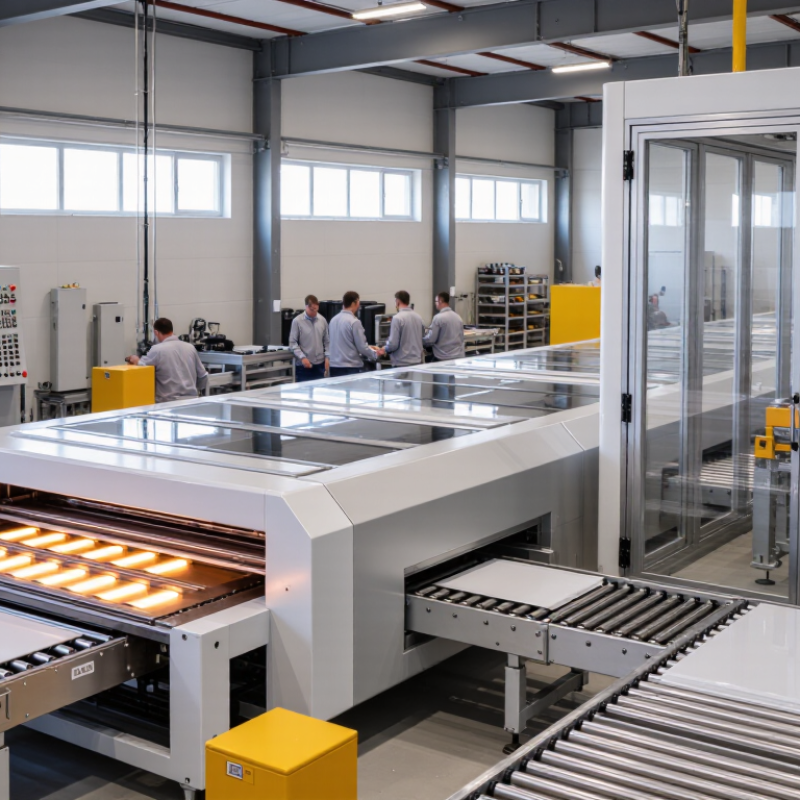
Thermoforming machines shape heated plastic sheet over a mold using vacuum, pressure, or mechanical assistance. The sheet is clamped, warmed until pliable, formed, cooled, and trimmed. Each stage affects the finished part. A small temperature shift can leave corners thin or create surface marks.
Vacuum forming suits many shallow parts, while pressure forming can capture finer surface detail. Plug assists help distribute material across deeper shapes. Controls for heating zones, vacuum timing, and cooling improve repeatability, but they cannot compensate for poor mold design. Details matter. Operators often check sample parts for wall thickness and warping before adjusting cycle settings.
These machines make food trays, protective packaging, appliance liners, and interior components. In production, sheet width, mold changes, and trimming capacity all influence output. A faster forming cycle may simply move the bottleneck to the cutting station. Heat is uneven. Material type, sheet thickness, and mold temperature must be tested together; a setting that works for one sheet may fail on the next batch. Routine checks of heaters, seals, and cooling lines help catch drift before it becomes visible in every part.
Key Criteria for Comparing Thermoforming Machine Manufacturers
Comparing thermoforming machine manufacturers starts with the parts you actually need to produce. Check forming area, sheet thickness range, heating zones, and compatible materials against your product drawings. A machine that handles a large tray may not form a shallow, thin-walled lid consistently. Ask for sample parts made with similar material and geometry, then inspect corners, wall thickness, and trimming accuracy.
Cycle time matters, but the quoted figure needs context. Ask whether it includes loading, cooling, trimming, and routine changeovers. A fast number alone can mislead. Review energy use, scrap rates, and how easily operators adjust temperature or vacuum settings. During a demonstration, watch for uneven heating across the sheet; small differences can affect finished-part quality. I would not treat the lowest quoted cycle time as decisive, since test conditions may be unusually favorable.
Tooling and service deserve equal attention. Ask how long mold changes take, what maintenance tasks require specialist support, and whether common replacement parts are readily available. Clear training plans and practical troubleshooting documents can reduce downtime after installation. A comparison spreadsheet helps, but it may miss details like noisy pumps or awkward access to controls. Visit an operating facility when possible, and ask operators what they would change about the machine.
Ten Notable Thermoforming Machine Manufacturers Worldwide
A worldwide shortlist of ten notable thermoforming machine manufacturers is best read as a guide, not a fixed ranking. Leading suppliers differ in the materials, formats, and production speeds their equipment can handle. Some focus on compact systems for shallow packaging trays. Others build larger lines for thick sheet parts, with heating, forming, trimming, and stacking arranged in one workflow. The right choice depends on the product, not just the machine’s maximum output. A fast cycle is less useful if heating varies across the sheet.
When comparing manufacturers, ask for process data using material and part dimensions close to your own. Check forming area, tool-change time, temperature control, service access, and operator training. A clear maintenance plan matters. So does the availability of spare parts where your plant operates. Brochures can make performance look effortless; real production usually involves adjustments, scrap, and occasional delays. A shortlist is only a starting point.
Tips: Request sample parts and a written acceptance test. Inspect wall thickness at corners and deep draws, where thinning may be easy to miss. Compare energy use per finished part, not only per hour. Ask current users about service response, while remembering that one factory’s experience may not predict yours.
Manufacturer Specialties, Equipment Types, and Global Markets
Thermoforming manufacturers differ less by headline speed than by the materials, part sizes, and production volumes their machines handle well. Some specialize in thin-gauge packaging lines, where roll-fed sheet, rapid indexing, and precise trimming keep output moving. Others build heavy-gauge systems for vehicle interiors, appliance liners, or reusable industrial trays. A useful comparison checks forming area, clamp force, heating zones, tool-change time, and downstream cutting—not just cycles per minute.
Equipment choice changes with the job. Roll-fed machines suit high-volume cups and lids; sheet-fed units offer flexibility for larger parts and shorter runs. Vacuum forming uses pressure differences to shape heated plastic over a tool, while pressure forming adds air pressure for finer surface detail. Small details matter. Ask manufacturers for sample parts using your actual sheet thickness, including corner depth and trim quality. A glossy sample can hide uneven wall thickness.
Grand View Research estimated the global thermoformed plastics packaging market at about USD 52.7 billion in 2023, with projected growth through 2030. That is packaging demand, not machinery revenue, but it helps explain investment in faster, more repeatable lines. Regional service coverage, spare-part access, energy use, and operator training also affect real cost. The awkward part: published output rates rarely capture every tool change or material adjustment. Compare tested production data, and leave room for doubt.
Thermoforming Equipment: Typical Sheet-Forming Temperature Ranges
Material processing requirements are an important consideration when comparing thermoforming machine specialties and equipment. The ranges below are approximate and vary with material formulation, sheet thickness, and process conditions.
How to Choose a Thermoforming Machine Manufacturer for Your Needs
Choosing a thermoforming machine manufacturer starts with your actual production conditions, not a catalogue speed. Grand View Research estimated the global thermoforming packaging market at USD 48.13 billion in 2023, with projected annual growth of 5.1% through 2030. That growth makes flexibility valuable, but a faster machine is not automatically a better fit. Ask manufacturers to run your own sheet material, thickness, and part design. Watch for uneven heating, web sag, and trim waste. Test the details.
Compare forming area, heating zones, mold-change time, and compatible materials against your product mix. Request cycle-time data from a comparable application, then check how it was measured. A quoted maximum may assume ideal tooling and continuous operation. Ask for a factory acceptance test with agreed criteria, including dimensional consistency and scrap rate.
Also verify spare-parts availability, technician response times, operator training, and remote diagnostics. These affect uptime after installation.
Speak with current users who run similar shifts and products. Ask how often they need service, and whether changeovers match the promised schedule. Review energy use per finished part, not just the machine’s rated power. A polished proposal can still leave gaps; I would want those assumptions written down before comparing prices. Manufacturers should explain limitations plainly and provide drawings, manuals, and maintenance intervals. If answers stay vague, treat that as useful evidence.