2026 Top Rotational Molding Manufacturers to Buy From

The 2026 Top Rotational Molding Manufacturers to Buy From guide begins with a practical question: which suppliers can deliver consistent parts, not attractive promises? Rotational molding supports demanding products, including water tanks, industrial containers, playground equipment, medical housings, and automotive components. Each application exposes different weaknesses in tooling, material control, cycle management, and quality inspection.

Market evidence suggests continued expansion. Grand View Research estimates the global rotational molding market at approximately USD 5 billion in 2023, with steady growth projected through 2030. MarketsandMarkets also identifies rising demand for lightweight, durable, and corrosion-resistant plastic products. These reports do not fully agree on market size or growth rate. That matters.

A reliable manufacturer should therefore be assessed beyond annual revenue. Buyers need evidence of wall-thickness control, resin traceability, mold accuracy, production capacity, and documented testing. Certifications such as ISO 9001 can support confidence, but certification alone cannot replace factory experience. The Association of Rotational Molders highlights process knowledge, material selection, and design-for-manufacturing as important success factors.

Look closely.

This guide evaluates manufacturers through practical buying criteria, including engineering support, prototype capability, tooling ownership, lead times, export experience, and after-sales responsiveness. It also considers sustainability claims carefully, because recycled-content performance can vary by resin, color, and application. Some suppliers may appear highly competitive until tooling revisions, freight, or quality failures increase the final cost. That is an uncomfortable reality.

The companies featured here represent different strengths rather than identical capabilities. Readers should verify current certifications, machinery, production sites, sample quality, and contractual terms before purchasing. Forecasts provide direction; factory evidence provides confidence.
2026 Top Rotational Molding Manufacturers to Buy From

What Is Rotational Molding and How Does It Work?

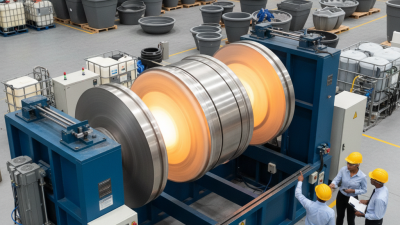
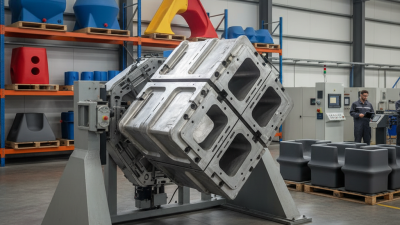
Rotational molding, or rotomolding, creates hollow plastic products through heat and controlled rotation. A measured polymer charge enters a hollow mold. The mold then rotates slowly inside an oven. Powder melts and coats the inner surface evenly.

After heating, the mold moves into a cooling area. Air or water lowers the temperature while rotation continues. This prevents sagging and uneven wall thickness. Once the part becomes rigid, workers open the mold and remove it. The cycle sounds simple. It is not always predictable.

Experienced manufacturers control powder quality, oven temperature, rotation speed, and cooling time. Small changes can cause bubbles, weak corners, warping, or inconsistent thickness. Polyethylene is common, but material selection depends on impact, chemical exposure, sunlight, and operating temperature. Mold design also matters. Sharp internal corners can create stress, while rounded transitions improve strength.

During supplier evaluation, practical evidence deserves attention. Request material certificates, dimensional inspection records, sample parts, and process data. Check whether the manufacturer can repeat the same result across multiple cycles. A polished sample proves little by itself. That assumption needs checking. Rotomolding offers low tooling costs, seamless construction, and flexible shapes, but it may produce longer cycle times and less precise tolerances than some competing processes. Good engineering accepts those limits instead of hiding them.
Key Factors for Evaluating Rotational Molding Manufacturers

2026 Top Rotational Molding Manufacturers to Buy From

Choosing a rotational molding manufacturer requires more than comparing quoted prices.

Grand View Research estimated the global rotational molding market at approximately USD 5.7 billion in 2023. Its forecast also indicates steady growth through 2030.

Market estimates differ between research firms, so buyers should treat projections as directional, not absolute.

Evaluate process control, tooling capability, material knowledge, and production capacity. Ask how the manufacturer controls oven temperature, mold rotation, cooling time, and wall thickness. Request recent inspection records, material certificates, and sample parts from similar applications. A reliable supplier should explain its resin selection clearly. It should also identify risks such as warpage, trapped air, uneven thickness, and weak inserts.

Capacity deserves practical testing. A large facility may still struggle with urgent, low-volume orders. Check average lead times, mold storage, maintenance procedures, and backup equipment. Quality systems aligned with ISO 9001 can support traceability, but certification alone proves little. Ask to see corrective-action examples. That conversation may reveal more than a polished audit report.

Tips:

Compare total landed cost, not unit price. Ask for a pilot run before committing to full production. Measure a molded part at several points, including corners and ribs. Review packaging and shipment protection with equal care. Sustainability claims also need evidence. Request recycled-content data, energy records, and scrap-handling details. I would avoid suppliers that promise perfect results without discussing design compromises. Real projects rarely behave that neatly.

Leading Rotational Molding Manufacturers to Consider in 2026

Leading rotational molding manufacturers to consider in 2026 should offer more than attractive pricing. Look for proven experience with polyethylene parts, complex cavities, and repeat production. A capable manufacturer can explain mold design, resin selection, wall thickness, and cooling behavior in practical terms. Ask how operators inspect each part after demolding.

Details matter.

Reliable facilities usually maintain clean work areas, documented quality procedures, and traceable material records. They should provide clear information about machine capacity, oven control, trimming methods, and leak testing. For outdoor tanks, playground components, or industrial housings, UV resistance and impact performance require careful material choices. A manufacturer with in-house engineering support can also identify weak corners before tooling begins.

Communication is another useful test. Request sample drawings, production timelines, inspection reports, and realistic minimum order quantities. Strong manufacturers explain possible defects, including warping, uneven walls, trapped air, or surface marks. That honesty is valuable. No supplier gets every detail right, and rushed promises often create expensive revisions later. I would also review packaging methods, replacement-part support, and how the team handles design changes. A factory may produce excellent parts but still struggle with delivery coordination. Visiting the facility, when practical, can reveal whether its equipment, people, and processes match the sales discussion.

Products, Materials, and Industries Served by Top Manufacturers

2026 Top Rotational Molding Manufacturers to Buy From

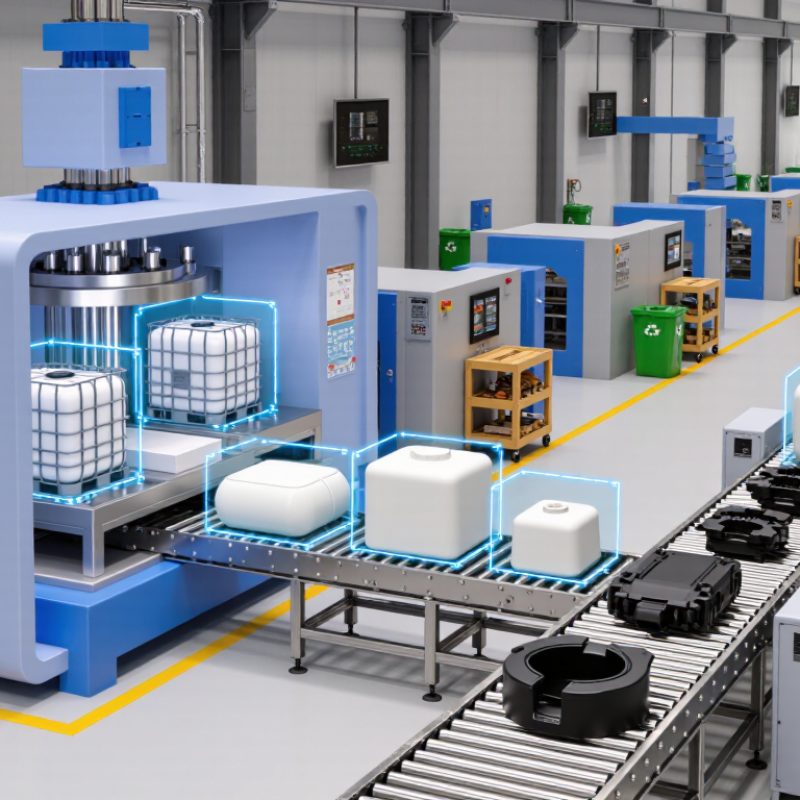
Top rotational molding manufacturers serve more than one product category. They produce water tanks, waste containers, pallets, kayaks, playground parts, and protective housings. Their strongest advantage is design flexibility. Hollow parts can be formed with consistent walls, rounded corners, and fewer joints. That reduces leakage risks and simplifies cleaning.

Material selection should match the working environment. Linear low-density polyethylene handles many outdoor products and resists impact well. High-density polyethylene suits rigid tanks, bins, and agricultural equipment. Nylon can support demanding mechanical applications, while polypropylene offers useful chemical resistance. Additives may improve UV stability, color retention, flame resistance, or antimicrobial performance. No resin fits every brief.

Manufacturers serving water, agriculture, construction, marine, healthcare, logistics, and recreation need different production knowledge. A reliable supplier should explain mold design, heating cycles, cooling control, inserts, and wall-thickness limits. Ask for leak testing, impact testing, dimensional records, and material traceability. A polished catalog is not enough. I would also inspect sample parts for warping, thin corners, rough seams, and inconsistent color. Small defects matter. Production volume, tooling cost, delivery capacity, and technical support deserve equal attention. Some suppliers promise broad capabilities but provide limited evidence. That deserves a second look.

2026 Top Rotational Molding Manufacturers to Buy From - Products, Materials, and Industries Served by Top Manufacturers

Capability Profile Representative Products Primary Materials Typical Product Features Industries Served Common Manufacturing Services Key Buying Considerations
Profile 01
Industrial Tank Specialist
Water tanks, chemical tanks, septic tanks, process vessels, and storage containers Linear low-density polyethylene (LLDPE), high-density polyethylene (HDPE), cross-linked polyethylene (XLPE) Seamless one-piece construction, corrosion resistance, impact resistance, molded-in wall thickness Water and wastewater, agriculture, chemical processing, food processing, and construction Custom tooling, threaded fittings, flanges, level indicators, inserts, and assembly Chemical compatibility, tank volume, wall thickness, UV stabilization, liquid temperature, and applicable local codes
Profile 02
Material Handling Specialist
Pallets, bins, carts, containers, totes, and bulk material handling boxes HDPE, LLDPE, polypropylene (PP), and recycled polyethylene grades where suitable High impact strength, washable surfaces, molded ribs, forklift access, and nesting or stacking geometry Warehousing, logistics, manufacturing, food distribution, recycling, and agriculture Prototype tooling, color matching, labels, drain plugs, hinges, casters, and hardware installation Load rating, fork-entry design, dimensional repeatability, cleanability, return logistics, and recycled-content requirements
Profile 03
Marine and Recreation Specialist
Kayaks, paddleboards, floating docks, buoys, swim platforms, and recreational equipment UV-stabilized LLDPE, HDPE, and selected polyurethane or PVC plastisol systems Buoyancy, abrasion resistance, weather resistance, rounded corners, and low-maintenance surfaces Marine, outdoor recreation, tourism, emergency services, and water sports Mold design, integrated handles, mounting points, foam filling, hardware assembly, and leak testing Buoyancy requirements, saltwater exposure, UV performance, impact resistance, balance, and repairability
Profile 04
Automotive Component Specialist
Air ducts, fluid reservoirs, intake components, battery enclosures, consoles, and protective covers LLDPE, HDPE, PP, polyamide (nylon), and engineering polymer grades selected for temperature and chemical exposure Lightweight hollow structures, complex contours, integrated mounting features, and vibration tolerance Automotive, commercial vehicles, powersports, agriculture equipment, and specialty vehicles Design for manufacturability, prototype development, inserts, trimming, welding, leak testing, and inspection documentation Temperature range, fluid compatibility, dimensional tolerances, fatigue performance, traceability, and validation testing
Profile 05
Agricultural Equipment Specialist
Sprayer tanks, feed bins, fertilizer containers, livestock troughs, and irrigation components UV-stabilized LLDPE, HDPE, XLPE, and chemical-resistant polyethylene compounds Weather resistance, chemical resistance, smooth internal surfaces, impact resistance, and easy drainage Agriculture, horticulture, livestock production, irrigation, and landscaping Fittings, baffles, lids, sight gauges, threaded outlets, color additives, and pressure or leak checks Pesticide compatibility, fertilizer exposure, capacity, UV life, cleanout access, and transport durability
Profile 06
Construction and Infrastructure Specialist
Traffic barriers, trench covers, lighting bases, utility enclosures, roadwork products, and safety equipment LLDPE, HDPE, rotationally molded PVC plastisol, and foam-filled polymer systems Weatherability, impact resistance, portable weight, high visibility, and ballast-filled or foam-filled designs Construction, utilities, transportation, municipalities, public safety, and infrastructure maintenance Reflective graphics, ballast installation, inserts, lids, handles, custom colors, and field-use prototypes Wind stability, impact performance, visibility, transportation efficiency, local safety requirements, and service life
Profile 07
Medical and Hygiene Product Specialist
Medical equipment housings, isolation containers, waste containers, hygienic bins, and laboratory enclosures Medical-grade polyethylene, PP, PVC plastisol, and other polymers selected for cleanability and chemical resistance Smooth surfaces, rounded corners, low fluid retention, impact resistance, and compatibility with cleaning agents Healthcare, laboratories, sanitation, veterinary services, elder care, and emergency response Controlled material documentation, custom tooling, inserts, trimming, assembly, and dimensional inspection Cleaning and disinfection chemistry, biocompatibility needs, surface finish, documentation, and regulatory scope
Profile 08
Custom Enclosure and OEM Specialist
Equipment housings, kiosks, instrument enclosures, protective cases, covers, and custom hollow components LLDPE, HDPE, PP, ABS-compatible solutions, nylon, and other application-specific thermoplastics Complex geometry, integrated ribs, hollow sections, molded-in inserts, and low-to-medium production volumes Industrial equipment, electronics, energy, telecommunications, defense, and general OEM manufacturing CAD support, rapid prototypes, mold fabrication, CNC trimming, drilling, welding, assembly, and quality inspection Part size, annual volume, tooling investment, tolerance requirements, assembly complexity, and total landed cost

Note: The profiles describe commonly available rotational molding capabilities and application areas. Material selection, testing, certifications, and regulatory compliance should be confirmed for the specific product and end-use environment.

How to Select the Right Rotational Molding Supplier for Your Needs

Selecting a rotational molding supplier requires more than comparing unit prices. Grand View Research reports that the global rotational molding market reached about USD 5.44 billion in 2023. Growth increases capacity pressure. Ask suppliers for current machine utilization, mold lead times, and proven output for similar parts.

Review their process controls closely. A reliable supplier should document resin certificates, oven temperature records, cooling cycles, and wall-thickness results. Request samples from regular production, not hand-finished prototypes. Check dimensional testing against your drawing and application requirements. ISO 9001 certification helps, but it does not replace process evidence. It is only a starting point.

Cost can mislead. Tooling, freight, scrap, assembly, and maintenance may change the real figure. Fortune Business Insights projects continued market expansion through 2032, making dependable capacity increasingly valuable. Evaluate backup machines and material availability. Ask how defects are reported and corrected. Their answer matters.

Do not ignore communication. Suppliers should explain design limits before quoting. A sharp corner, uneven wall, or trapped air pocket can create expensive failures. A supplier may promise everything. That deserves caution. Build a weighted scorecard covering quality, engineering support, delivery, traceability, and total cost. Leave room for judgment; no spreadsheet captures every production risk.

We will help turn your vision into reality

Contact Us