How to Choose the Best Plastic Water Tanks for Your Needs
Choosing plastic water tanks is not just a question of capacity. The right tank must suit your water source, available space, intended use, and maintenance routine. A household collecting rainwater may need different features from a farm storing irrigation water. A tank that looks generous on a product page can feel awkward beside a narrow driveway or under a low roof. Measure the site before comparing models.
Rainwater-harvesting educator Brad Lancaster is known for the principle, “Slow it, spread it, sink it.” His work emphasizes managing rainwater thoughtfully; for tank buyers, that is a useful reminder to consider how water is collected and used, not just how much a tank holds. Check the material’s suitability for your intended water, the lid and fittings, UV protection, installation requirements, and the manufacturer’s care guidance. Ask how the tank will be cleaned and inspected after it is installed. Small details matter.
Bigger is not always better. It can mean more cost, more weight, and a harder installation, while an undersized tank may run dry during a long spell without rain. There is no perfect choice for every property, and estimates can miss real-world changes in water use. This guide will help you compare tank types, sizes, placement, and features, then make a decision that fits your site and routine. A little caution helps. Consider the compromises before you buy.
Define Your Water Storage Needs and Intended Use
Start with the numbers. Estimate how much water you use each day, then decide how many days of storage you need. A household’s drinking and cooking needs differ from garden irrigation or livestock use. For example, a tank supplying a small vegetable plot may need frequent refilling, while backup household storage should account for every person and likely interruptions. Write down your expected demand rather than choosing a size by appearance.
Think about what the water will be used for. Water for drinking requires a tank specifically rated for potable water, along with clean, compatible fittings. Irrigation or washdown may allow different options, but water quality still matters. Consider sunlight, heat, and debris: a shaded, covered installation can help limit algae growth and contamination. Check that the tank has a practical outlet, a secure lid, and an overflow route that will not flood nearby areas.
Measure the space. Include room for delivery, installation, and future cleaning, not just the tank’s footprint. Check the ground is firm and level, since a full tank is extremely heavy. Access matters later, too; a narrow gap can make inspection awkward. I have seen people focus on capacity and overlook the tap position. That detail can become annoying every day. Revisit your estimates if seasonal use changes, because a tank that suits summer demand may be unnecessarily large during cooler months.
Compare Tank Materials, Shapes, and Capacities
Material choice affects durability, weight, and water quality. UV-stabilized polyethylene is lightweight and resists corrosion, making it practical for outdoor storage. Polypropylene can suit some chemical or temperature requirements, but verify its rated conditions before choosing it. Fiberglass-reinforced plastic is rigid and strong, though its resin must be compatible with the stored water. For drinking water, check that the tank is specifically rated for potable-water use. Specs matter.
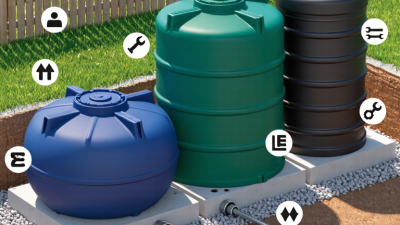
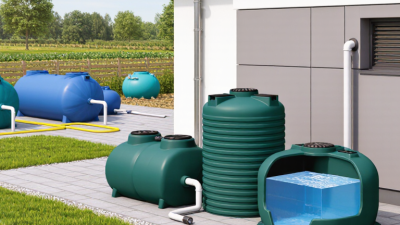
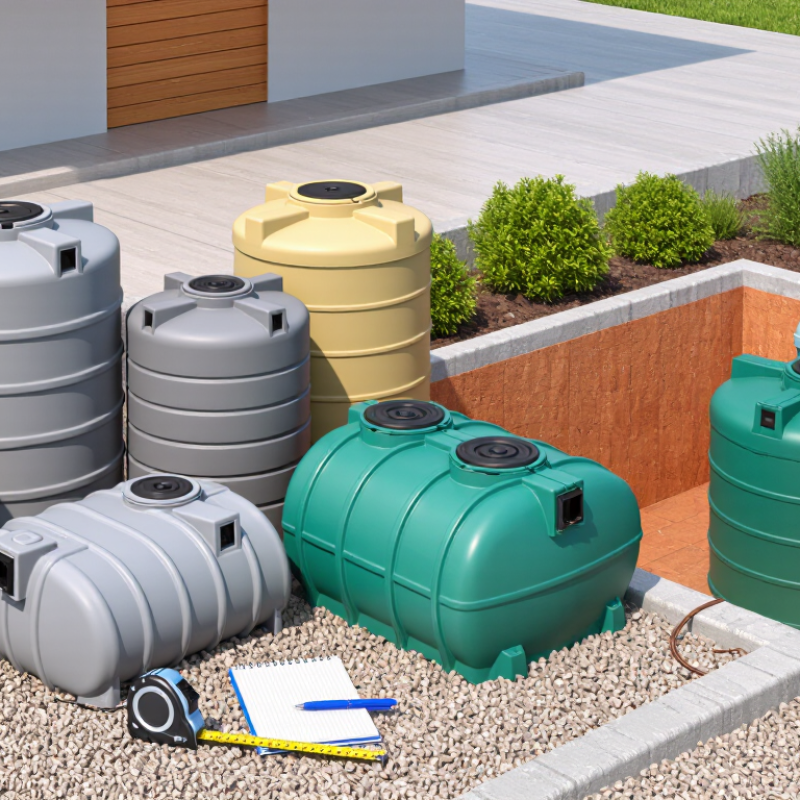
Shape determines how a tank fits your site. Vertical tanks use a smaller footprint but need enough overhead clearance for filling and maintenance. Horizontal tanks can fit beneath low roofs, though their supports must carry the full load evenly. Measure gates, doorways, and the installation area, not just the available floor space. Small details matter.
Capacity should reflect daily demand, refill frequency, and the reserve you want during interruptions. Estimate actual use rather than relying only on household size; gardens, livestock, or seasonal visitors can change the numbers. Include space for fittings and access, and check whether the outlet leaves unusable water at the bottom. A tidy calculation can still miss a real-life change in demand, so avoid sizing right to the limit. A little margin helps.
How to Choose the Best Plastic Water Tank for Your Needs
Compare the approximate geometric capacity of four common tank shapes. The examples use the dimensions shown and are for comparison only; actual usable capacity varies by design.
How to choose: A vertical cylinder can suit a compact footprint, while a horizontal cylinder may fit under low-clearance areas. Rectangular and slimline tanks can make better use of narrow or angular spaces. For any shape, check the manufacturer’s rated capacity and available space. For drinking water, select a tank made from material certified for potable-water contact; for outdoor installation, look for UV-stabilized polyethylene.
Assess Safety, Durability, and Applicable Standards
Choosing a plastic water tank starts with its intended use. Drinking water requires materials approved for contact with potable water in your area. Ask for written product documentation, test results, and clear cleaning instructions. A “food-safe” label alone may not answer every question. Standards differ by location and application, so verify the requirements with a qualified supplier or local water authority.
Durability depends on more than wall thickness. Check the tank’s stated capacity, installation requirements, and resistance to sunlight if it will sit outdoors. UV exposure can make some plastics brittle over time. Look for even molding, smooth seams, and a lid that closes securely. A level, well-supported base matters too; an uneven concrete pad can stress the tank when full. Small details count. I would not choose solely by price, though comparing warranties can reveal gaps in support.
Tips: Before buying, inspect the specification sheet for approved water use, temperature limits, and maintenance guidance. Ask how often the tank should be cleaned. Measure doorways and access routes, not just the installation space. Keep the paperwork. It may be useful later, and it is easy to misplace.
Check Site, Installation, and Maintenance Requirements
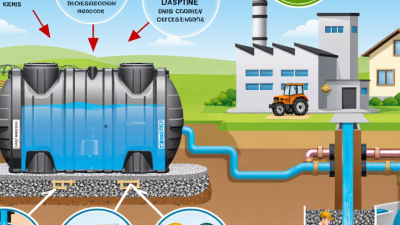
Before comparing tank capacity, measure the route from delivery vehicle to the pad. A tank that fits the yard may not pass through a gate or around a tight corner. Check overhead wires, buried utilities, drainage, and access for future cleaning. A full tank is heavy: water weighs about 8.34 pounds per gallon, so a 500-gallon tank holds more than 4,170 pounds of water alone. Ask a qualified installer to confirm the base and ground can support the filled tank. Leave room for the lid, valves, and a person with cleaning tools. Drawings often make that space look larger than it is.
Match the tank to its intended use and local conditions. For emergency planning, CDC guidance recommends at least one gallon of water per person per day for three days; household needs may be higher in hot weather or with pets. For drinking water, verify that the tank and connected components are suitable for potable-water contact, such as products certified to NSF/ANSI/CAN 61. Plan for secure inlet and outlet connections, overflow routing, ventilation, and protection from freezing or prolonged sun exposure. Maintenance needs real access. EPA WaterSense reports that household leaks can waste nearly 10,000 gallons annually, so inspect fittings and the tank surface regularly. That figure is an average, not a prediction for your installation. Keep a simple inspection log, and revisit it after storms or repairs.
Choose a Tank That Fits Your Budget and Long-Term Needs
How to Choose the Best Plastic Water Tanks for Your Needs
Choose a Tank That Fits Your Budget and Long-Term Needs
A low purchase price can look attractive, but the tank is only part of the cost. Include delivery, a level base, fittings, installation, and access for cleaning. Check whether the quoted price covers a lid, outlet, overflow, and compatible connections. Small omissions add up. For drinking water, confirm the tank is certified for potable-water contact, such as under NSF/ANSI/CAN 61. A cheaper non-potable tank is not a bargain if your stored water is for household use.
Think about the tank’s location and expected use over several years. Sun exposure, freezing conditions, and frequent movement can affect material performance. Ask the supplier for written guidance on installation, cleaning, UV protection, and warranty exclusions. Compare replacement costs, too. A large tank may reduce refill trips, but it can cost more to deliver and may need a stronger base. Measure the access route before ordering. It is an easy detail to miss.
The U.S. EPA’s 2023 Drinking Water Infrastructure Needs Survey and Assessment estimates $625 billion in needs over 20 years for public drinking-water systems. That figure does not predict a household tank’s lifespan or price. It does underline why durable water infrastructure deserves careful budgeting. Set aside funds for maintenance, not just purchase. I might still choose the less expensive option for occasional garden use; for daily storage, I would weigh documented material suitability and service support more heavily.