How to Choose Plastic Water Tanks for Your Project

Choosing plastic water tanks is not simply a matter of comparing capacity and price. A 5,000-litre tank may fit the specification, yet fail when sunlight, uneven ground, or poor access is overlooked. The right choice connects water quality, structural performance, installation conditions, and future maintenance.

The UN World Water Development Report 2024 notes that agriculture accounts for roughly 70% of global freshwater withdrawals. This figure highlights the growing importance of dependable storage for farms, factories, buildings, and emergency systems. For drinking-water projects, the World Health Organization’s Guidelines for Drinking-water Quality recommend controlling materials and contamination throughout the supply chain. Tank material matters. Look for food-contact approval, such as NSF/ANSI/CAN 61 or an equivalent local standard, when potable water is involved.

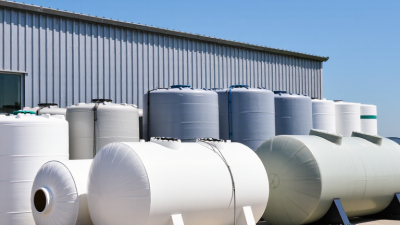
Rotationally molded polyethylene tanks are widely used because they resist corrosion and offer flexible installation. However, “corrosion-resistant” does not mean maintenance-free. UV exposure can weaken unsuitable plastic, while trapped sediment can reduce usable volume and affect water quality. Check the tank’s actual working capacity, wall design, inlet size, outlet position, overflow route, and warranty terms. Measure the doorway and delivery path carefully. Small mistakes become expensive on site.

Reports offer useful direction, but they cannot replace a site inspection. I have seen specifications look complete while ignoring foundation drainage and cleaning access. That is a practical warning. A reliable selection process should compare certified materials, environmental conditions, lifecycle cost, and supplier support before purchase. The cheapest tank may not be the cheapest project.
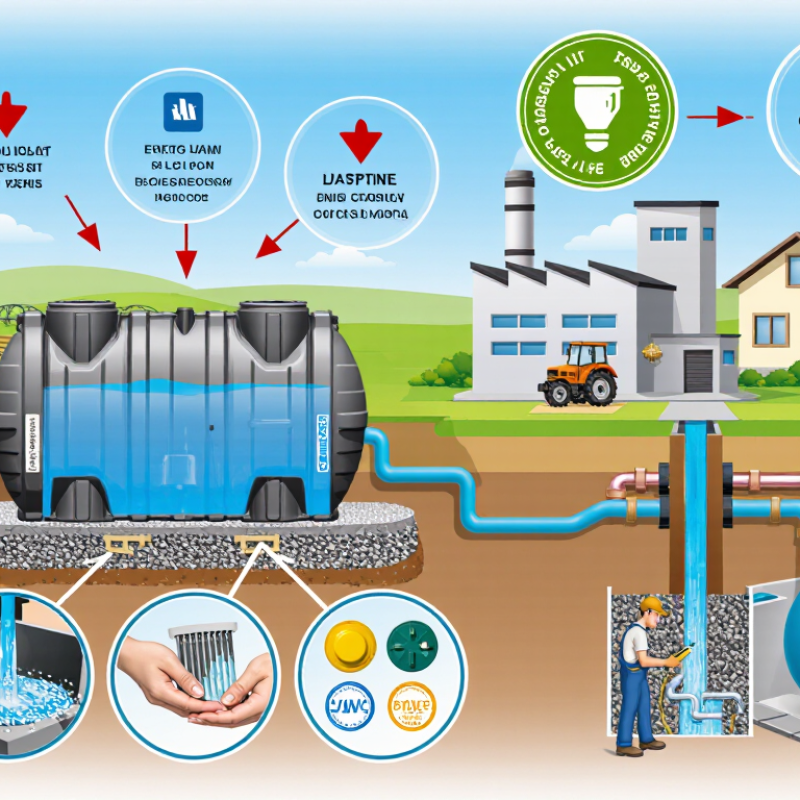
How to Choose Plastic Water Tanks for Your Project

Project Needs and Water Storage Goals

How to Choose Plastic Water Tanks for Your Project

Your project goals should guide the tank choice, not the other way around. Estimate daily use, peak demand, refill timing, and available space. A small household may need a different capacity than a construction site or irrigation system. Measure the installation area carefully. Include access space for inspection, cleaning, and safe maintenance. A tank that fits on paper may become difficult to service.

Consider the water’s purpose. Drinking water requires a tank made from suitable, certified materials and installed under applicable local requirements. Irrigation and rainwater storage may allow different specifications. Check the tank’s resistance to sunlight, temperature changes, chemicals, and ground movement. Flat, stable foundations matter. I have seen projects fail because the tank capacity was calculated from average use only. Peak demand arrived unexpectedly. That mistake can be expensive.

Tips: Write down your water source, daily demand, peak demand, and future expansion plans. Add a practical reserve, but avoid buying excessive capacity without reason. Larger tanks need stronger foundations and may increase installation costs. Ask a qualified supplier or engineer to verify the design, especially for elevated or connected tanks. Review the plan again after one week of real usage. Your first estimate may be wrong.
Key Plastic Tank Materials and Construction Options

How to Choose Plastic Water Tanks for Your Project

Material selection affects strength, service life, and water safety. High-density polyethylene, or HDPE, suits many outdoor storage projects because it resists corrosion and impact. Polypropylene tolerates higher temperatures, but it may cost more. Fiberglass-reinforced plastic offers strong structural performance, although repairs require careful surface preparation. Do not treat all plastic as interchangeable.

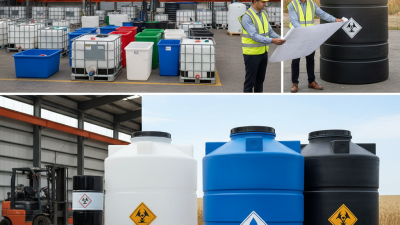
The water’s chemistry matters. Agricultural water may contain fertilizers, while industrial water can include solvents or acids. Check the manufacturer’s chemical-resistance data before ordering. UNESCO’s United Nations World Water Development Report 2024 states that agriculture accounts for about 70% of global freshwater withdrawals. That figure supports larger storage planning, but demand still varies by climate and crop. Bigger is not always better.

Construction also changes performance.

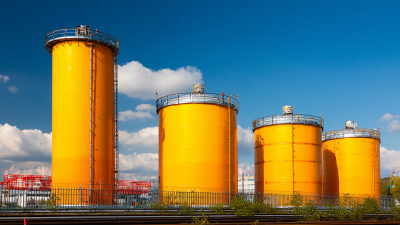
Seamless rotationally molded tanks reduce leak paths and work well for routine storage. Welded panel tanks can reach greater capacities and fit restricted sites. Ribbed walls improve stiffness, while UV stabilizers slow outdoor degradation. A double-wall design adds containment where leakage would create serious problems. Plastics Europe reported 413.8 million tonnes of global plastics production in 2023. This scale does not prove every tank is sustainable. It reminds us to examine resin quality, recycled content, and end-of-life handling. I have seen projects focus on capacity and overlook foundations. That mistake is expensive. Check the base, access openings, ventilation, and local potable-water requirements before installation.

Choosing the Right Tank Size, Shape, and Capacity

Choosing the right plastic water tank starts with demand, not available space. The WHO identifies 20 litres per person daily as a basic domestic water quantity, while higher service levels require considerably more. For a four-person household, that minimum equals 80 litres each day, before cleaning, irrigation, or emergency reserves. A practical design should usually cover several days of demand. Local rainfall, supply reliability, and refill speed can change the result.

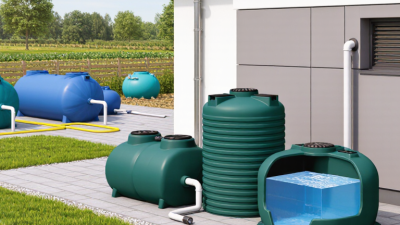
Tank shape affects installation and maintenance. A vertical cylindrical tank suits narrow yards and usually offers efficient storage per square metre. A horizontal tank may fit beneath decks or beside buildings, but it needs stronger support. Measure doorways, access routes, slab strength, and overflow paths before ordering. These details are easy to overlook.

Capacity needs a realistic buffer. The UN World Water Development Report 2024 notes that agriculture uses about 70% of global freshwater withdrawals, so irrigation can quickly exceed household estimates. Divide daily use into drinking, washing, toilets, and outdoor demand. Add a reserve for dry days, but avoid extreme oversizing because stagnant water can create quality concerns. My first calculation is often too neat. Real use changes during heatwaves, guest visits, and maintenance shutdowns. Recheck the estimate against meter readings for at least one month. A simple spreadsheet is useful, though it can still hide bad assumptions.

How to Choose Plastic Water Tanks for Your Project

Choosing the right tank size, shape, and capacity starts with estimating daily water demand, storage duration, and available installation space.

The chart shows practical planning capacities for common water-storage applications. A typical person uses approximately 50–100 liters of water per day, depending on local standards and usage patterns. Select a vertical tank where floor space is limited, a horizontal tank for low-clearance areas, and a larger-capacity tank when supply interruptions or seasonal rainfall variations are expected. Confirm the final capacity with local water-use requirements and site conditions.

Site Conditions, Installation Requirements, and Safety Factors

How to Choose Plastic Water Tanks for Your Project

Site Conditions, Installation Requirements, and Safety Factors

A suitable tank starts with the site, not the catalog. Measure access routes, slab dimensions, drainage paths, and overhead clearance. Check soil bearing capacity and seasonal groundwater. A tank that fits today may shift after heavy rain. Sun exposure also matters. Prolonged ultraviolet radiation can weaken some plastics without proper protection. Record temperature changes, nearby chemicals, and possible vehicle impact. Small details matter.

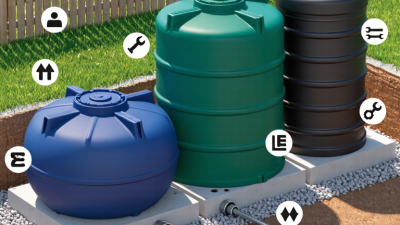
Installation requirements deserve equal attention. Confirm the tank’s filled weight, connection points, venting needs, and cleaning access. Use a level, continuous base that will not puncture or settle unevenly. Never drag a tank across rough concrete. Lift it with approved equipment and trained operators. Flexible connections can reduce stress on fittings. However, flexibility cannot replace proper alignment. Review the installation guide before delivery. Late changes are expensive.

Safety factors should cover more than normal water storage. Allow capacity for overflow control, inspection, and safe maintenance access. Secure tanks where wind, flooding, or seismic movement is possible. Keep electrical equipment separated from wet areas. Ask a qualified engineer to review anchoring and structural loads. My assumption may be wrong if site data is incomplete. Recheck measurements after excavation. A tidy drawing can still hide a dangerous detail.

Maintenance Needs, Service Life, and Total Project Cost

Choosing a plastic water tank should begin with maintenance, service life, and total project cost. Purchase price is only one part of the decision.

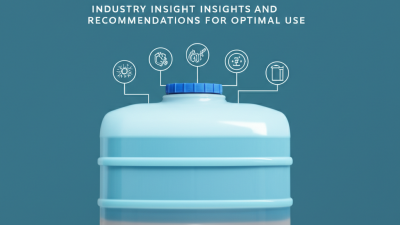
A tank with UV protection can resist sunlight better, especially in exposed outdoor locations. However, protection does not remove maintenance needs. Inspect the tank, fittings, lid, and support base at least twice yearly. Look for cracks, distortion, leaks, algae growth, and loose connections. Clean the interior according to the stored water’s intended use. Avoid harsh tools that can scratch plastic surfaces. Small damage can become expensive.

Very small issues matter.

Service life depends on water chemistry, temperature, sunlight, installation quality, and loading. A level, fully supported base reduces stress on the tank wall. The inlet and outlet should also have suitable flexible connections. Rigid pipework can transfer force during filling or ground movement. Many polyethylene tanks may serve for decades, but no fixed lifespan is guaranteed. That assumption needs review.

Total project cost includes transport, lifting equipment, foundations, valves, pipes, cleaning, inspections, and eventual replacement. A cheaper tank may require more frequent repairs or earlier renewal. A larger tank may reduce delivery frequency, yet it can increase structural and installation costs. Compare these figures over the planned service period, not just on delivery day. I would also price downtime. An empty tank during a busy operation can disrupt water supply, labor schedules, and safety procedures. Reliable records make future budgeting easier.

We will help turn your vision into reality

Contact Us