How to Choose the Right Plastic Water Tanks?
Choosing the right plastic water tanks is more than comparing prices and visible capacity. The decision affects water quality, installation safety, cleaning effort, and long-term reliability. Industry consultant Sarah Mitchell explains, “A tank is only as good as its match with the site.” That simple observation deserves attention.
A household may need a 1,000-liter tank for daily use, while a small farm may require several larger tanks. Measure available space before selecting a model. Check doorways, ground access, roof clearance, and the delivery route. A tank that fits the catalogue may not fit the property. That happens.
Material quality also matters. Look for tanks made from certified, food-grade polyethylene when storing drinking water. Ask about UV protection, wall thickness, fittings, warranty coverage, and manufacturing standards. Dark, opaque tanks can help limit light exposure and reduce algae growth. Still, they do not replace regular cleaning or safe water handling.
Think about the water source too. Rainwater, well water, and treated municipal water may require different maintenance routines. A narrow opening can complicate inspection, even when it reduces contamination risks. A wide opening may simplify cleaning but needs a secure, well-designed cover. Small details become expensive later.
This guide examines tank capacity, shape, placement, material, fittings, maintenance, and supplier credibility. It also considers practical experience, not only technical specifications. The perfect tank does not exist. The right plastic water tanks are those that suit your water, climate, space, budget, and future needs. Recheck every assumption before ordering.
Understanding Plastic Water Tank Types and Their Uses
Choosing the right plastic water tank starts with its intended use, not its appearance.
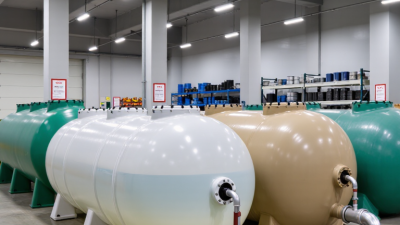
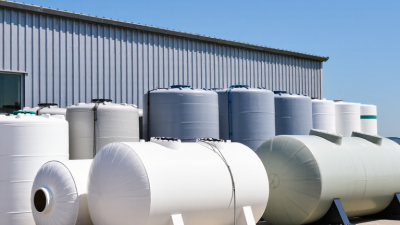
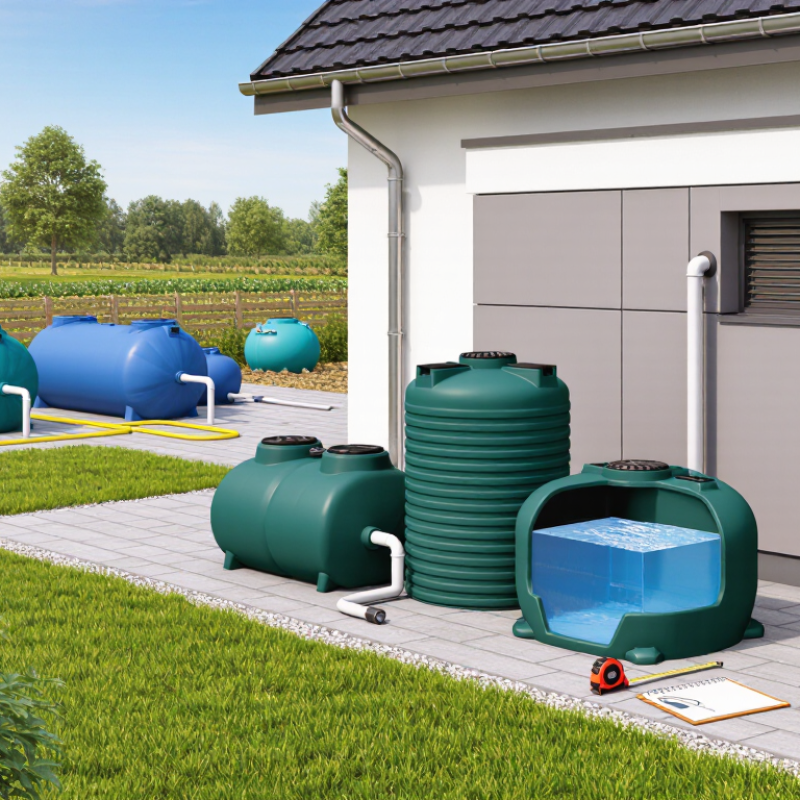
Vertical polyethylene tanks suit farms and homes with limited floor space. Horizontal tanks work better under low-clearance areas or transport platforms. Underground tanks preserve outdoor space, but installation requires careful soil, drainage, and access planning. They are not automatically the better option.
Potable water needs a food-contact-rated tank, a sealed lid, and smooth internal surfaces.
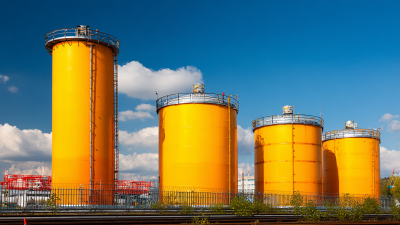
Check compliance with NSF/ANSI/CAN 61 or an equivalent local standard. For irrigation, larger atmospheric tanks can store roof runoff or treated water. The FAO reports that agriculture accounts for about 70% of global freshwater withdrawals, making storage efficiency important. A cone-bottom tank may help with sediment removal, while a flat-bottom tank often offers simpler installation.
Tank color also matters. Darker, UV-stabilized plastic can reduce light penetration and algae growth. However, no tank can correct contaminated source water.
The 2023 WHO/UNICEF Joint Monitoring Programme report estimates that 2.2 billion people lacked safely managed drinking water in 2022.
That figure makes maintenance more than a technical detail. Inspect the lid, fittings, seams, and foundation regularly. I have seen buyers focus on capacity and forget outlet height. That mistake can create weak pressure or costly pump changes. Reflect on future demand, too. A household may need more water after adding livestock, gardens, or emergency storage.
Assessing Your Water Storage Capacity and Space Requirements
When choosing a plastic water tank, capacity should follow actual demand, not the largest available footprint. Record household consumption for seven days. The U.S. Environmental Protection Agency reports average indoor use of about 82 gallons per person daily. A four-person household could use approximately 328 gallons each day, excluding gardening, cleaning equipment, or livestock. A three-day reserve would require nearly 1,000 gallons.
Water needs vary widely. The WHO report Domestic Water Quantity, Service Level and Health identifies roughly 50–100 litres per person daily for basic household needs, depending on service conditions. This figure is useful for planning, but it may underestimate real consumption in warmer climates. Keep a margin.
Space can change the decision. Measure the proposed location, access route, base area, and available height before selecting a tank. A full tank is extremely heavy, so the foundation must support its operating weight without settling. Leave working clearance around valves, the inlet, overflow pipe, and cleaning access. Avoid placing the tank beneath unstable structures or where vehicles may strike it.
A neat calculation can still mislead. I would compare meter readings with seasonal demand rather than trusting one estimate. A smaller tank may fit perfectly yet empty too quickly. A larger tank may waste space and hold water longer than necessary. EPA WaterSense household data, WHO guidance, and local rainfall records provide a stronger planning basis than guesswork.
Selecting the Best Tank for Your Budget and Long-Term Needs
Choosing a plastic water tank is less about the lowest invoice and more about lifetime cost. The WHO/UNICEF Joint Monitoring Programme reported that 2.2 billion people lacked safely managed drinking water in 2022. That gap makes dependable storage important, especially where supply interruptions are common. Start with daily demand, drought reserve, roof runoff, and delivery access. A 5,000-liter tank may look economical, but it becomes wasteful if a narrow driveway requires lifting equipment.
Compare more than tank prices. Include the base, freight, pump, valves, screened vent, overflow route, and periodic cleaning. The U.S. Environmental Protection Agency estimates that household leaks waste nearly one trillion gallons annually in the United States. A poorly sealed fitting can quietly erase your savings. Select potable-water-rated polyethylene, UV protection, and an opaque body that limits algae growth. Ask for wall-thickness data, warranty terms, and testing documents. ASTM D1998 addresses rotationally molded polyethylene tanks, while food-contact compliance should match local requirements.
Long-term value depends on access. Leave space around the tank for inspection and hose replacement. Check whether the outlet height suits your pump; adapters can become expensive. Do not buy maximum capacity automatically. Oversizing increases base and transport costs, while undersizing causes frequent refilling. A spreadsheet helps, but it cannot predict every storm or tariff. Recheck your assumptions after one season. The first estimate is often too confident. Choose a serviceable tank, not merely a large one.
How to Choose the Right Plastic Water Tank?
Selecting the best tank for your budget and long-term water storage needs.
Larger tanks provide more days of stored water but require a higher purchase budget, stronger foundations, and more installation space. The estimated supply duration uses a four-person household and a planning allowance of 50 liters per person per day. Actual consumption depends on climate, household habits, water availability, and whether the tank is used for drinking, sanitation, irrigation, or emergency storage.