10 Tips for Choosing the Right Plastic Tanks?
Choosing the right tank often begins with a simple question: what will it hold? Water, chemicals, fertilizer, and food products each create different demands. A tank that works beside a farmhouse may fail in a processing facility. Plastic tanks can resist corrosion, reduce maintenance, and fit surprisingly tight spaces. Yet “plastic” is not one material. Polyethylene, polypropylene, and reinforced designs behave differently under heat, pressure, and sunlight. That distinction matters.
This guide examines ten practical tips for making a safer, more informed choice. It considers capacity, chemical compatibility, wall thickness, fittings, installation, UV exposure, cleaning, and long-term support. A 500-gallon tank may sound adequate until seasonal expansion, emergency reserves, or daily usage are measured honestly. Small details matter, such as a threaded outlet matching existing pipework or a lid reachable without climbing. Manufacturer specifications and professional advice should guide final decisions. This is especially important for industrial or potable-water applications.
Real-world selection is rarely perfect. Budgets change, measurements get missed, and future needs are easy to underestimate. I have seen attractive tanks become expensive after poor site access was discovered. That lesson is uncomfortable, but useful. The right choice balances present requirements with realistic growth, verified performance, and responsible installation. Read these tips critically. Compare documented specifications. Question promises that sound too easy. A durable tank is not merely a container; it is part of a system that must remain dependable every day.
Define the Tank’s Purpose and Required Capacity
Before choosing a plastic tank, define exactly what it must do. A tank for rainwater needs different features from one storing cleaning chemicals or irrigation water. Identify the liquid, temperature, density, and expected storage duration. Compatibility matters because an unsuitable plastic may soften, crack, or contaminate the contents.
Measure the required capacity in real operating conditions. Start with daily use, delivery frequency, and the largest expected demand. Then add practical headspace for expansion, movement, and safe filling. A tank rated at 1,000 liters may not provide 1,000 liters of usable storage. Fittings, internal clearance, and a reserve level reduce working volume. Check the available floor area, door width, ceiling height, and access for maintenance. It is easy to choose a tank that fits the calculation but not the building.
Think about tomorrow’s needs, too. A small increase in capacity can prevent frequent refilling, but oversizing may waste space and money. That balance is often harder than expected. Confirm the tank’s material, wall construction, outlet position, and support requirements with published technical data. Ask for compatibility information when the liquid is unusual or concentrated. Do not rely only on appearance; a thick-looking wall does not prove suitability. I have seen planning focus on volume while ignoring drainage, inspection access, and uneven flooring. Those details can create avoidable problems after installation. Recheck every measurement before ordering.
Choose a Plastic Material for Chemical and Environmental Resistance
Choosing the right plastic tank starts with the chemical, not the tank’s shape. Identify every stored substance, its concentration, temperature, and contact time. A material that resists dilute acid may weaken under heat or repeated filling. Polyethylene often handles many water-based chemicals, while polypropylene can perform better at elevated temperatures. However, compatibility charts are only a starting point.
Tip 1: Check the chemical safety data sheet and the manufacturer’s resistance table together. Look for swelling, softening, cracking, discoloration, or permeation. Small changes matter. A tank may appear sound while its fittings slowly deteriorate. I have learned that valves, gaskets, and threaded connections often fail before the tank wall. They need the same chemical review.
Environmental exposure also affects material choice. Outdoor tanks face sunlight, freezing, heat cycles, wind, and impact from nearby equipment. UV stabilization can reduce surface degradation, but it does not solve every problem. Consider secondary containment, drainage, ventilation, and inspection access. A darker tank may absorb more heat, which can change chemical behavior. That detail is easy to miss.
Tip 2: Request a sample or conduct a controlled compatibility test when the application is unusual. Test the actual concentration and operating temperature. Document the results.
Tip 3: Confirm the tank’s design temperature, wall thickness, support requirements, and expected service life. Selecting by capacity alone is risky. A slightly more conservative material choice may prevent expensive replacement later.
Evaluate Safety Standards, Durability, and Maintenance Requirements
Choosing plastic tanks starts with documented safety, not color or wall thickness. For potable water, request NSF/ANSI/CAN 61 certification and resin traceability. This standard evaluates materials that contact drinking water. The WHO/UNICEF Joint Monitoring Programme reported that 2.2 billion people lacked safely managed drinking water in 2022. That figure makes contamination control more than a purchasing detail. Ask for test records, chemical compatibility, and temperature limits. “Food grade” alone is too vague.
Durability depends on stress, sunlight, and installation. ASTM D1998 covers rotationally molded polyethylene tanks and storage-service design considerations. Check UV stabilization, impact resistance, and the tank’s specific gravity rating. EPA’s seventh Drinking Water Needs Survey estimates $625 billion for U.S. needs from 2021 through 2040. Maintenance planning matters when replacement budgets are tight. Inspect fittings for seepage, bulging, whitening, and cracked gaskets. Small leaks are warnings.
Keep the tank shaded, level, and accessible for inspection. Never assume a thicker wall solves every problem. A poorly supported base can distort a strong tank. Review cleaning intervals, drain design, vent protection, and spare gasket availability. Record fill dates and inspection findings. In practice, records are often incomplete. That weakness deserves attention. Select the tank only after matching certification, material, capacity, and maintenance requirements to its actual service.
10 Tips for Choosing the Right Plastic Tanks
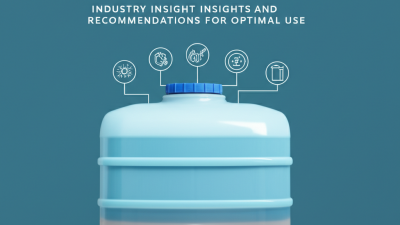
Use this screening chart to compare the practical importance of safety, durability, installation, and maintenance factors before selecting a plastic tank. The priority scores are a non-brand evaluation framework; applicable standards and local regulations should always be verified for the intended service.
Key checks include material compatibility, capacity, UV resistance, structural design, temperature limits, leak prevention, access for inspection, drainage, cleaning requirements, and documentation such as ASTM, NSF, FDA, or other applicable certifications.
Compare Suppliers, Costs, Warranty, and Long-Term Value
Choosing plastic tanks is less about the lowest quote and more about predictable service. Ask each supplier for resin type, wall thickness, manufacturing method, and inspection records. A clear data sheet matters. So does a reachable technical contact. Compare three written quotations, not verbal promises. Check whether fittings, delivery, unloading, and installation support are included. A tank priced 15% lower may require expensive site modifications. Request references for similar capacity, fluid, temperature, and outdoor exposure. Photos help, but service records reveal more. I would also inspect the supplier’s response time before ordering. Slow replies during sales can become slower replies after delivery. That warning is easy to overlook.
Warranty terms deserve careful reading. Confirm the coverage period, approved applications, UV exposure limits, and responsibilities for foundations, piping, and cleaning. Some warranties sound generous but exclude common operating conditions. Ask what evidence is required when a claim arises. Keep inspection reports and delivery photographs. Long-term value includes repairs, downtime, replacement parts, and expected service life. A thicker tank is not automatically better if its design ignores chemical compatibility. Request a compatibility statement for the actual liquid and concentration. Also compare maintenance access, drain design, and spare fitting availability. A simple inspection hatch can save hours later. It is easy to favor the cheaper option too quickly. Rechecking transport, maintenance, and warranty exclusions often changes the decision. Good value remains partly uncertain.