How to Choose the Best Poly Storage Tank?

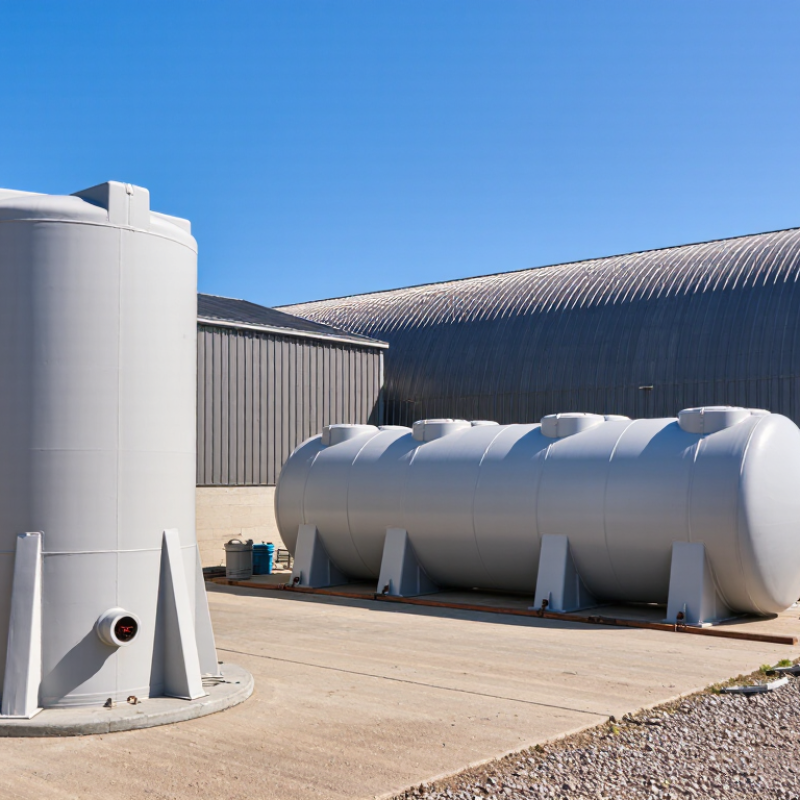
Choosing the right poly storage tanks starts with the job they must do, not the largest capacity on the sales page. What will the tank hold? How often will it be filled? Will it sit in direct sun, on uneven ground, or near moving equipment? A slim tank beside a barn may need different access and support than a wide tank storing water at a workshop. Small details matter.

Rotational-moulding expert Dr. R. L. Crawford has written about the process used to make many polyethylene tanks. A practical paraphrase of the selection lesson is: “Match the tank’s material and design to its contents and service conditions.” That is not a verified verbatim quotation, so it should not be presented as one. Still, the principle is useful. Chemical compatibility, UV protection, wall construction, fittings, and a level, fully supported base all deserve attention. A tank that looks sturdy in a product photo can disappoint if its outlet sits in the wrong place.

This guide outlines how to compare tank materials, shapes, capacities, and installation needs. It also considers warranties and manufacturer documentation, which can reveal limits that a short product listing may hide. There is no perfect tank for every site. And “heavy duty” alone proves little. Buyers should check the details, ask direct questions, and revisit assumptions before ordering. That extra pause can prevent an awkward fit—or a costly replacement.
How to Choose the Best Poly Storage Tank?

Identify the Intended Use and Storage Conditions

How to Choose the Best Poly Storage Tank?

Identify the Intended Use and Storage Conditions

Start with the liquid, not the tank shape. Drinking water, fertilizer, and cleaning solutions can require different resin grades, fittings, and vent designs. Check the chemical concentration and the liquid’s temperature against a compatibility guide, then confirm the selection with the tank supplier. For potable water, look for components certified to NSF/ANSI/CAN 61. ASTM D1998 covers vertical polyethylene storage tanks, but meeting a standard alone does not prove compatibility with every stored liquid.

Then map the real storage conditions. Measure the installation space, access route, fill height, and required capacity. Include the weight of a full tank and plan for a level, properly supported base. Sun exposure matters: prolonged UV can contribute to material aging, while hot liquid can reduce a tank’s useful service life. The U.S. EPA’s 2023 Drinking Water Infrastructure Needs Survey estimated $625 billion in drinking-water infrastructure needs over 20 years. That figure is not a tank-sizing guide, but it shows why storage planning deserves care. Check local temperature swings, wind exposure, and whether the tank will sit indoors or outside. Small details matter. A specification sheet may not reflect the hottest afternoon or an awkward maintenance space; revisit those assumptions before ordering.
Compare Tank Materials, Shapes, and Capacities

A poly storage tank should match its contents, location, and daily use. Polyethylene is lightweight and resists corrosion, but chemical compatibility varies by formulation and stored liquid. Check the manufacturer’s compatibility data before filling it. For drinking water, confirm the tank is approved for potable-water storage. Sunlight matters, too: UV-stabilized material can help reduce weathering outdoors. No material is perfect.

Shape affects installation and access. A vertical cylinder uses less floor space, while a horizontal or slimline tank may fit beneath a low roof or beside a wall. Measure the route to the site, not just the final footprint; gates and doorways can be awkward. Choose capacity from actual demand and refill frequency. Remember that water weighs about 8.34 pounds per gallon, so a full tank needs a properly supported, level base.

Tips: Leave room for fittings, cleaning, and overflow drainage. Compare usable capacity, not just the advertised volume. A tank that is slightly oversized can be convenient, but it may occupy space you need. Recheck dimensions and outlet placement before ordering.

Check Fittings, Access Points, and Installation Requirements

A poly storage tank is only useful if its fittings match the job. Check the inlet, outlet, drain, and overflow sizes against your pipework before ordering. Their positions matter, too. A low outlet can help with draining, while a high overflow needs a clear route away from foundations and walkways. Confirm whether fittings are threaded, flanged, or supplied as bulkhead connections. Small details matter.

Plan access before the tank arrives. A lid should be reachable for inspection and cleaning, not blocked by a wall or overhead pipe. Leave room to tighten fittings and remove covers. Check the installation guide for required base dimensions, support, and anchoring. A full tank is extremely heavy; the base must be level and able to carry the filled weight. Uneven support can stress the tank or connections. Site plans are rarely perfect, so remeasure the route and available clearance before delivery.

Tips: Sketch the tank, pipe runs, and access space to scale. Check that delivery equipment can reach the pad. Compare every opening with your actual pipe measurements, and ask the supplier about any uncertain connection. A little checking now can prevent awkward rework later.

Assess Durability, Safety Standards, and Maintenance Needs

Durability starts with the tank’s intended location and contents. Sunlight can weaken some plastics over time, so check for UV resistance if the tank will sit outdoors. Also consider temperature swings, wind exposure, and the weight of a full tank. A level, stable base matters; uneven support can place stress on the walls and fittings. Look for clear specifications on wall thickness and operating limits, not just a heavy-looking shell. Appearance can mislead.

Safety depends on what the tank will hold. For drinking water, verify that the tank materials meet the applicable potable-water requirements in your region. For chemicals, confirm compatibility with the exact substance and its concentration. Do not assume that one polyethylene tank suits every liquid. Check the lid, vent, and outlet for secure fit and suitable materials. Small details matter.

Plan routine checks before buying. Inspect seams, fittings, and the base for cracks, leaks, or movement. Keep the lid closed, and follow the maker’s cleaning guidance to limit sediment or algae. Avoid improvised cleaners; they may damage the surface or leave residues. Maintenance is easy to postpone. That is the part buyers sometimes underestimate. A simple inspection log can help track changes, though it may feel overly careful at first.

Compare Costs, Warranties, and Supplier Support

A low purchase price can hide expensive gaps. Compare delivered cost, fittings, freight, installation, and any site-specific foundation work. NIST Handbook 135 (2022) recommends life-cycle costing that accounts for acquisition, operation, maintenance, replacement, and residual value. Apply that approach over your expected service period, not just the first invoice. A cheaper tank may win upfront and lose later.

Read the warranty line by line. Check its term, covered defects, exclusions, and who pays removal or transport costs. ASTM D1998-21 sets design and manufacturing requirements for vertical polyethylene storage tanks; ask suppliers to identify the standard and tank specifications their quote follows. Then match those details to your liquid, temperature, and installation conditions. Tiny details matter. A warranty is only useful if its limits are clear.

Supplier support deserves a score, not a handshake. Ask for a written response-time target, installation guidance, replacement-part availability, and a named technical contact. Request two comparable references and ask how a recent claim was handled. NIST’s life-cycle method also makes service and maintenance costs visible, where basic price comparisons often miss them. I would still leave room for judgment: published terms cannot show how helpful a supplier will be on a rainy delivery day. Get commitments in writing, including delivery windows and escalation steps.

We will help turn your vision into reality

Contact Us