Why Choose Plastic Injection Molding for Your Products?

Plastic injection molding can turn a carefully designed part into thousands of consistent components. It is widely used for housings, clips, caps, and other products made in volume. A typical process heats plastic pellets, injects the molten material into a closed mold, and allows it to cool. The result can include fine details, repeatable dimensions, and smooth surfaces. Small features matter. A snap-fit tab, for example, must flex without breaking, while a thin wall needs to fill evenly.

The method can also reduce per-part costs once production volume justifies the mold investment. It supports many thermoplastics, though each material behaves differently under heat, pressure, and stress. Engineers consider wall thickness, draft angles, gate placement, and cooling time before production begins. These choices affect quality and cycle time. They deserve attention early.

Still, plastic injection molding is not the right answer for every product. A complex mold may cost more than a short run can reasonably support, and design changes become harder after tooling is complete. Early estimates can miss details, too. That is a useful reason to review the design with an experienced manufacturer before committing. Material data and sample parts help, but real production conditions may reveal issues that a drawing cannot show. The best choice depends on the product, expected quantity, performance needs, and budget—not on the process name alone.
Why Choose Plastic Injection Molding for Your Products?

What Is Plastic Injection Molding?

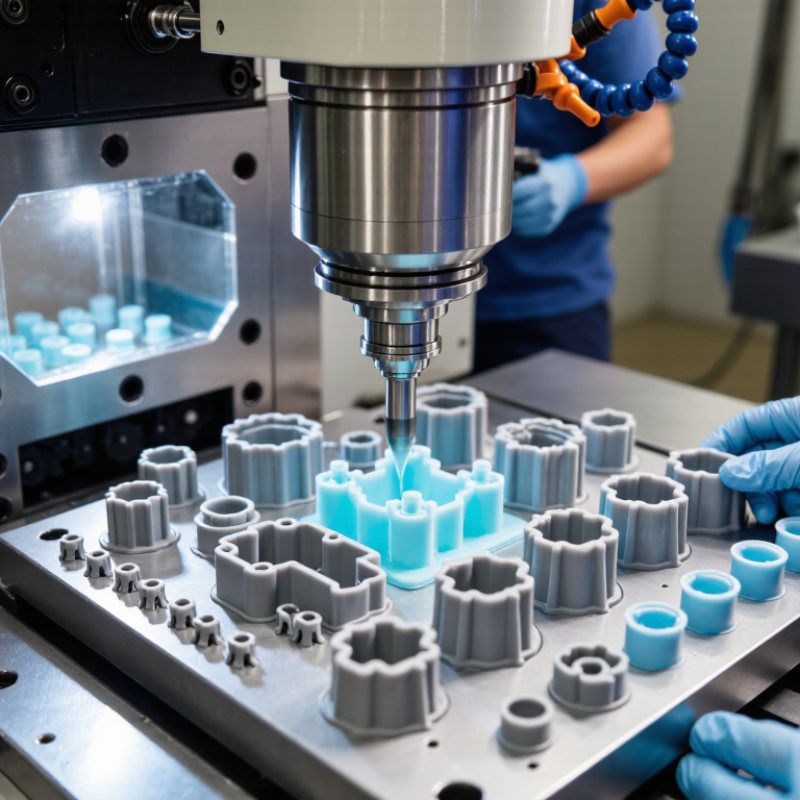
Plastic injection molding turns thermoplastic pellets into repeatable parts by forcing molten material into a shaped mold. Pellets enter a heated barrel, where a rotating screw melts and mixes them. The screw pushes the melt through a nozzle into a closed metal mold. Cooling hardens the plastic; the mold opens, and ejector pins release the part. That’s the core.

The process can produce fine details, from snap-fit tabs to textured surfaces, with little variation across large batches. It is common in automotive, medical, electronics, and household products. PlasticsEurope’s Plastics—The Fast Facts 2024 reports 413.8 million tonnes of global plastics production in 2023. That figure covers all plastics, not just injection-molded parts, so it indicates material scale rather than this process’s market share. Tooling can be costly, and a poorly designed part may warp, trap air, or cool unevenly. Small details matter.

Tip: Check wall thickness and draft angles with a mold designer before tooling begins. A small design change may prevent sticking or sink marks, though early estimates can still miss production issues.
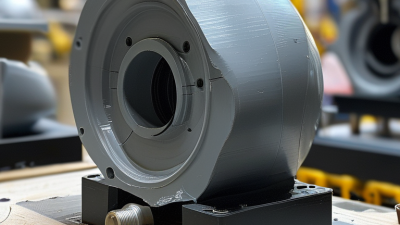
How the Plastic Injection Molding Process Works

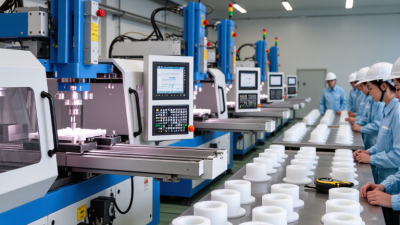
Plastic injection molding starts with thermoplastic pellets fed from a hopper into a heated barrel. A rotating screw moves them forward, melts the resin, and blends it into a consistent flow. The machine then pushes the melt through a nozzle into a closed steel mold. The mold’s cavities shape the part, while vents let trapped air escape. Small details matter. Gate position, wall thickness, and draft angles can affect filling, strength, and clean release.

After filling, the plastic cools under pressure until it can hold its shape. Cooling channels carry heat away, though uneven cooling may cause warping or sink marks. The mold opens, and ejector pins push the part onto a collection area. Operators check dimensions, surface finish, and weight, then adjust temperature, pressure, or cooling time when results drift. A short trial can reveal a problem that drawings missed. Not every defect has one obvious cause; material moisture, tool wear, and process settings can interact. Stable production relies on recorded settings and repeated inspection, not appearance alone.

Key Advantages of Injection Molding for Product Manufacturing

Plastic injection molding is well suited to products that need consistent dimensions across large production runs. Molten resin fills a shaped cavity, then cools into parts such as snap-fit housings, clips, and small appliance panels. Once the mold is tuned, automated cycles can produce many nearly identical pieces with little manual handling. The fit matters. Stable cycle settings also help limit variation, though resin moisture, temperature, and mold wear still need close monitoring.

Grand View Research’s 2024 injection-molding market report estimated a global market value of US$284.3 billion in 2023. It forecast 4.2% annual growth from 2024 to 2030. This indicates broad industrial use, not a guarantee that molding suits every product. At higher volumes, spreading mold costs across many parts can reduce unit cost. Multiple cavities may raise output, while carefully designed features can reduce assembly steps. Still, tooling costs bite. A late design change can mean expensive mold rework, and a poorly placed gate may leave marks on a visible surface. I would compare expected volume, resin choice, tolerances, and mold life before committing; the cheapest part price on paper may not tell the whole story.

Common Materials and Products Made with Injection Molding

Injection molding uses heated plastic pellets, pressure, and a shaped mold to make repeatable parts. The resin choice affects strength, flexibility, appearance, and cost. Polypropylene is lightweight and resists many household chemicals, so it is common in food containers, storage bins, and appliance parts. It can flex without cracking, though thin sections may feel less rigid than expected.

ABS is often used for tool housings, keyboard keys, and durable toy components. It offers a useful balance of impact resistance and surface finish. Polycarbonate is clearer and tougher, making it suitable for protective covers and some lighting components. Still, clear plastic can scratch. Material choice depends on the conditions the part will face.

Nylon works well for gears, clips, and other parts exposed to repeated movement, but moisture can affect its dimensions. Polyethylene appears in caps, closures, and containers where toughness and chemical resistance matter. Flexible thermoplastic elastomers are used for grips, seals, and soft-touch sections.

It depends. A material that performs well in one product may warp, wear, or feel wrong in another. Designers typically test sample parts under realistic loads, temperatures, and handling before settling on a resin.

Factors to Consider When Choosing Injection Molding

Why Choose Plastic Injection Molding for Your Products?

Factors to Consider When Choosing Injection Molding

Start with expected production volume, not the machine’s advertised speed. Injection molding requires upfront tooling, so a high mold cost may make sense across large, repeat orders but strain a small pilot budget. PlasticsEurope reported global plastics production of 413.8 million tonnes in 2023. That figure covers all plastics, not just molded parts, but it signals the scale of material choices involved. Still, market growth alone does not make molding the right fit.

Check the part’s geometry and performance needs. Thin walls, sharp corners, deep ribs, and undercuts can complicate filling or mold release. These details may require design changes, side actions, or extra tooling. Match the resin to real conditions: temperature, impact, chemical exposure, and appearance. Ask suppliers to review draft angles, wall thickness, shrinkage, and gate location before finalizing the mold. A small cosmetic change can affect tool design. The math can disappoint.

Tips: Share annual volume estimates, CAD files, resin requirements, and tolerance targets when requesting quotes. Ask how samples will be inspected and how process changes will be documented. Compare total part cost, including tooling, scrap, cycle time, and finishing—not just the quoted unit price. PlasticsEurope, Plastics – the Fast Facts 2024, provides the production figure above.

We will help turn your vision into reality

Contact Us