2026 Top Trends in Plastic Injection Molding for Global Buyers?
The world of plastic injection molding is evolving rapidly. As we approach 2026, several significant trends are emerging. These trends are crucial for global buyers seeking to stay competitive in the market. Understanding them can lead to better decisions and enhanced products.
One notable trend is the growing emphasis on sustainability. Companies are increasingly using bio-based materials and energy-efficient processes. These changes resonate with environmentally conscious consumers. Another trend is the integration of advanced technology. Automation, AI, and data analytics improve efficiency in plastic injection molding. They streamline operations and reduce waste, benefiting both manufacturers and buyers.
Despite these advancements, challenges remain. Many businesses struggle to adopt new technologies due to high costs or lack of expertise. The market is also volatile, influenced by supply chain disruptions. Buyers must stay informed and adapt to these changing dynamics. Embracing flexibility will be vital for success in the plastic injection molding landscape.
Key Innovations in Plastic Injection Molding Technology for 2026
The plastic injection molding industry is evolving rapidly. In 2026, several innovations are set to transform the landscape for global buyers.
Smart molding technology is gaining traction. This advancement utilizes sensors and IoT to monitor processes in real time.
Manufacturers can optimize production, reduce waste, and improve quality control through data analytics.
Another notable trend is the shift towards sustainability. Eco-friendly materials are increasingly popular.
Biodegradable plastics are being used more frequently. They help decrease the environmental impact of manufacturing.
However, switching to sustainable materials raises questions. These materials may not always match traditional options in performance.
There’s also a growing focus on automation and robotics. Enhanced automation speeds up production cycles.
It reduces labor costs while maintaining high precision. Yet, this shift could lead to workforce challenges.
Operators must adapt to new roles in a highly automated environment. Balancing innovation with human expertise remains a critical reflection point for the industry.
Sustainability Practices in Plastic Injection Molding for Global Markets
Sustainability is emerging as a cornerstone in plastic injection molding. Recent studies indicate that about 70% of global manufacturers are adopting eco-friendly materials and practices. This shift reflects the growing demand from buyers for products that meet environmental standards. As consumers become more aware, producers are pressured to adapt.
Implementing sustainable practices can be challenging. Companies may face increased costs and supply chain complexities when sourcing recycled materials. Research shows that while the initial investment may be higher, long-term savings on waste management can offset these costs. Experts highlight the importance of lifecycle assessments to determine true environmental impacts.
Tips for transforming your injection molding operations include collaborating with suppliers who prioritize sustainability. Regular audits of production processes can identify areas for improvement. Additionally, consider integrating energy-efficient machinery to reduce carbon footprints. Investing in training for staff on sustainability can foster a culture of responsibility. Together, these efforts contribute to a more sustainable future in the plastic injection molding industry.
Market Trends Shaping the Future of Plastic Injection Molding Industry
The plastic injection molding industry is rapidly evolving, driven by several key market trends. According to a recent report by MarketsandMarkets, the industry is expected to reach $400 billion by 2026, with an annual growth rate of 5.7%. This growth is fueled by increasing demand for lightweight materials in automotive and electronics applications. Additionally, emphasis on sustainability is reshaping the industry. Manufacturers are now focusing on bio-based and recycled plastics to reduce environmental impact.
Advancements in technology, such as automation and artificial intelligence, are enhancing production efficiency. These innovations help reduce cycle times and improve part quality. However, there are challenges. The adoption of new technologies can require significant investment, making it difficult for smaller companies to keep pace. They must weigh the benefits of innovation against financial constraints.
The global market is also seeing shifts in supply chains. Geopolitical factors and the COVID-19 pandemic have exposed vulnerabilities. Companies are re-evaluating sourcing strategies to mitigate risks. For example, many are considering localized manufacturing to enhance supply chain resilience. This shift necessitates careful planning and adaptation to changing dynamics within the injection molding sector.
Impact of Automation and Robotics on Plastic Injection Molding
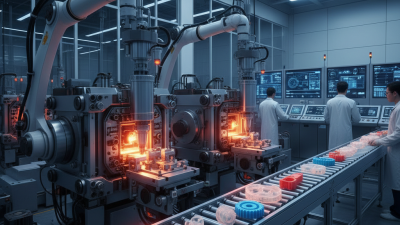
The impact of automation and robotics on plastic injection molding is profound. Industry experts predict that automation could enhance productivity by up to 30% by 2026. Robotics streamline processes, reducing cycle time and increasing precision. The global injection molding machinery market is projected to surpass $10 billion, reflecting the shift towards more automated solutions.
Moreover, automated systems minimize labor costs and human error. According to recent reports, around 54% of manufacturers have adopted some level of robotics in their operations. This trend allows companies to scale production swiftly and maintain high quality. However, challenges remain. Integration of robotics can require significant investment and training.
Tips for adopting automation: Start with a pilot project. Choose a segment where robotics can address inefficiencies. Assess the return on investment over time. Regular training for staff is crucial for seamless adaptation. Stay updated on the latest technology to optimize operations continually.
2026 Top Trends in Plastic Injection Molding for Global Buyers - Impact of Automation and Robotics on Plastic Injection Molding
| Trend |
Description |
Impact of Automation |
Impact of Robotics |
Future Outlook |
| Smart Manufacturing |
Integration of IoT in manufacturing processes |
Increased efficiency and data collection |
Enhanced precision in production |
High adaptability to market changes |
| Sustainability Initiatives |
Use of recycled materials and eco-friendly processes |
Reduction of waste through automated recycling |
Robots to optimize material usage |
Greater regulatory compliance and market preference |
| Increased Customization |
Tailored solutions for specific customer needs |
Faster production cycles through automation |
Flexible robotic systems for varied designs |
Higher customer satisfaction and loyalty |
| Predictive Maintenance |
Using data analytics to anticipate machine failures |
Minimized downtime and maintenance costs |
Robots capable of conducting routine checks |
Enhanced operational reliability |
| Advanced Materials |
Development of new polymers with unique properties |
Automation in testing and processing |
Robotic handling of complex materials |
Broader application across various sectors |
Emerging Materials and Their Roles in Plastic Injection Molding Applications
The landscape of plastic injection molding is rapidly evolving. Emerging materials play a pivotal role in this transformation. New types of plastics, such as bio-based and recycled materials, are gaining traction. They offer sustainable alternatives to traditional options. These materials can reduce environmental impact, which appeals to eco-conscious buyers.
Additives and composites are changing molding performance too. They enhance strength and thermal resistance. This can lead to lighter yet more durable products. However, the adoption of these materials isn't without challenges. Compatibility with existing processes is often a concern. Not all manufacturers are prepared to switch to these innovative solutions.
Testing and development are essential in this transition. Buyers must understand material properties thoroughly before integration. Sometimes, the performance may not meet expectations. This can lead to product failures or increased costs. Careful planning and experimentation can mitigate these risks. The future of plastic injection molding will likely revolve around these materials, but adaptation is key.