Why Choose Plastic Molding for Your Manufacturing Needs?
In today's competitive manufacturing landscape, "plastic molding" has emerged as a crucial technique. Industry expert Dr. Emily Carter, a leading authority in advanced manufacturing processes, states, “Plastic molding transforms complex designs into reliable products, making it a game-changer.” This method not only offers efficiency but also elevates product quality across various sectors.
Plastic molding is widely embraced for its versatility. It allows manufacturers to create intricate shapes and sizes in high volumes. However, it does require a thoughtful approach to design and material selection. The balance between cost-effectiveness and performance can present challenges that need careful consideration. Manufacturers often face decisions on mold design, which can significantly impact the end result.
While plastic molding brings many advantages, companies must remain aware of potential pitfalls. Production errors can arise if the design process lacks precision. It’s essential to continuously evaluate the techniques and materials used. Rethinking approaches to plastic molding can lead to enhanced outcomes and sustainability in manufacturing practices.
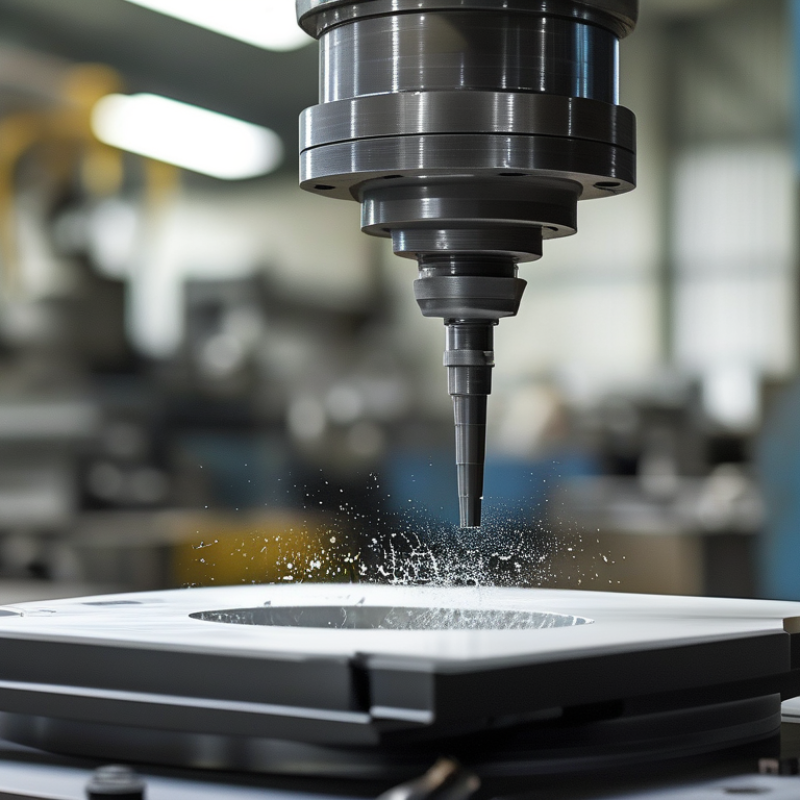
Advantages of Plastic Molding in Modern Manufacturing Processes
Plastic molding offers numerous advantages for modern manufacturing processes. It allows for high precision and accuracy in creating complex shapes. This is crucial when crafting components that demand tight tolerances. Manufacturers often rely on plastic molding to produce items at a faster pace, enhancing overall productivity.
The versatility of plastic molding is another significant benefit. Various materials can be used, including thermoplastics and thermosetting plastics. This flexibility enables designers to select the best material for their specific application. Moreover, plastic molding is generally more cost-effective compared to other manufacturing methods like machining or die casting. However, it's essential to note that not every project may suit plastic molding.
The durability of molded plastic parts is noteworthy. They can resist chemicals, impacts, and environmental factors. Yet, customers should consider that not all plastic components are created equal. Some may require additional processes to meet specific performance standards. Understanding these aspects is vital to making informed decisions in manufacturing processes.
Key Statistics: The Growth of the Plastic Molding Industry in Recent Years
The plastic molding industry has witnessed significant growth in recent years. According to recent data, the global market size is projected to reach millions of dollars by 2027. This upward trend highlights the increasing reliance on plastic parts across various sectors, including automotive, healthcare, and consumer goods. The versatility of plastic molding processes is one reason for this expansion. Companies value the speed and efficiency of producing intricate designs at a lower cost.
Despite the industry's advancements, challenges remain. For instance, the environmental impact of plastic waste has sparked discussions about sustainability. Many manufacturers now face pressure to adopt eco-friendly practices. This shift could influence future production methods and materials used in plastic molding. Additionally, staying updated with technology is crucial for competitiveness. The industry must address innovation while managing costs and reducing waste.
Investors are taking notice of the sector's potential, but they should proceed with caution. The rapid growth brings both opportunities and complexities. Companies must balance profitability with responsible manufacturing. As the plastic molding landscape evolves, ongoing research and adaptation will be essential for long-term success.
Cost Efficiency: Comparing Plastic Molding to Alternative Manufacturing Methods
Cost efficiency is a critical factor in the manufacturing industry. Plastic molding stands out against traditional methods like machining or casting. The initial setup costs for these alternative processes can be high. In contrast, plastic molding often requires less capital investment for tools and machinery. This reduction in upfront costs makes it an attractive option for startups and small manufacturers.
Additionally, plastic molding allows for high-volume production without significant cost increases. Once the mold is created, producing each additional piece is relatively inexpensive. This scalability leads to lower per-unit costs as production increases. However, there can be hidden fees. For instance, quality control and mold maintenance require ongoing attention. Manufacturers may need to invest in additional resources to ensure consistent quality.
Another aspect to consider is material waste. Compared to methods like machining, which can produce a lot of scrap, plastic molding minimizes waste. However, the environmental impact of plastic itself is worth acknowledging. Product choices influence long-term sustainability. Manufacturers must balance cost efficiency with ethical considerations. Each method has its trade-offs; understanding them is crucial for making informed decisions.
Applications of Plastic Molding: Industries Benefiting from this Technology
Plastic molding plays a vital role in various industries. It is widely used in automotive manufacturing. Car parts are often created using injection molding techniques. This allows for complex shapes and durable materials. Consequently, the automotive sector benefits from reduced production costs and increased efficiency.
Another area that benefits from plastic molding is the consumer goods industry. Household items, such as kitchen utensils, toys, and packaging, are frequently produced this way. The process offers flexibility in design and scalability for manufacturers. However, challenges exist in ensuring consistent quality and managing material waste. Companies must continuously refine their processes to address these issues.
The medical field is also leveraging plastic molding technology. Devices, such as syringes and surgical instruments, require precision and safety. Molding enables the creation of sterile and customizable products. Nevertheless, strict regulations and quality standards must be adhered to. Manufacturers often face hurdles in meeting these requirements. Effective quality control measures are essential for success in this sector.
Applications of Plastic Molding in Various Industries
Sustainability in Plastic Molding: Innovations Reducing Environmental Impact
Sustainability is becoming essential in modern manufacturing. The plastic molding industry is at the forefront of this transformation. Innovations in materials and processes significantly reduce environmental impact. For instance, bioplastics made from renewable resources provide an eco-friendly alternative. According to a recent report by the Association of Plastic Manufacturers, the use of bioplastics could reduce CO2 emissions by up to 60% compared to traditional plastics.
Recycling practices also play a critical role in sustainable plastic molding. The industry has seen a shift towards closed-loop recycling systems. This method minimizes waste by reusing materials in production. Studies indicate that adopting these systems can save up to 1.5 billion tons of carbon equivalent globally by 2030. However, challenges remain. Not all plastics are easily recyclable, and improving recycling technologies is crucial.
Innovative designs enhance sustainability as well. Advanced molding techniques allow for lighter products without sacrificing strength. This not only conserves resources but also reduces shipping emissions. While progress is evident, ongoing investment in research and development is needed. The industry must confront limitations and strive for more sustainable solutions. There is still much work to do, but the potential for impact is significant.