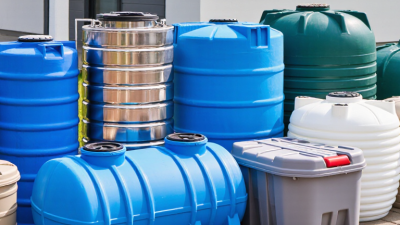
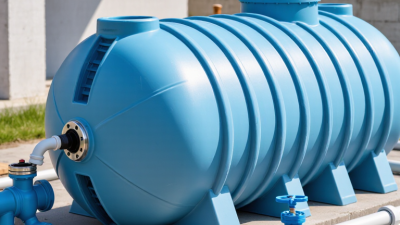
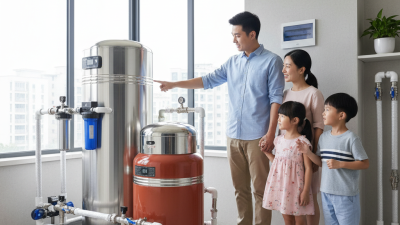
China Top Water Storage Tanks for Homes Suppliers
Reliable household water storage begins with a practical question: what happens when normal supply is interrupted? The WHO/UNICEF Joint Monitoring Programme reported that 2.2 billion people lacked safely managed drinking water in 2022. This global figure does not measure Chinese household tank demand, but it highlights why safe storage and dependable access matter. A well-chosen tank can support daily use, emergency reserves, or rainwater collection. It cannot make unsafe water safe on its own.
For buyers comparing water storage tanks for homes, supplier selection deserves as much attention as tank capacity. China’s manufacturers offer options in stainless steel, polyethylene, and fiberglass, with different requirements for installation, cleaning, and maintenance. Check material specifications, potable-water suitability, stated capacity, warranty terms, and access for inspection. Ask for product documentation rather than relying only on polished photographs. A tank should fit the home’s available space and water-use pattern; a large model is not automatically a better one. Small details matter. A narrow access hatch, for example, can make routine cleaning difficult. Industry reports provide useful context, but they rarely verify an individual supplier’s quality. Buyers still need to compare evidence carefully. Even a reputable supplier may not be the right fit. This guide examines leading China-based suppliers and the questions homeowners can ask before choosing a storage solution.
Overview of Home Water Storage Tanks in China
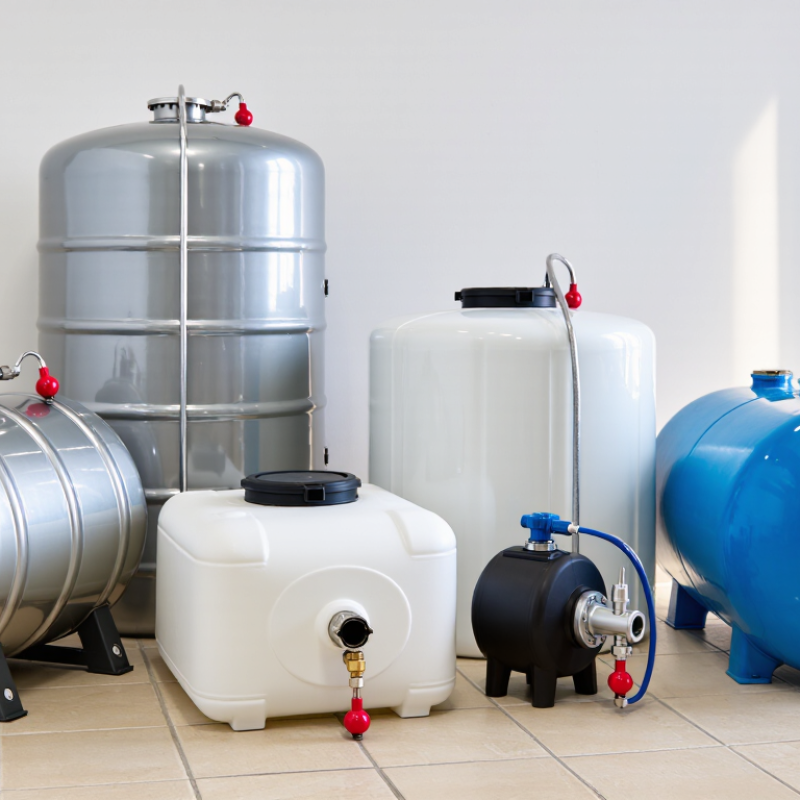
China’s home water storage market serves apartments, rural houses, and villas with different needs. Common options include polyethylene tanks, stainless-steel tanks, and reinforced concrete cisterns. Each has trade-offs. Polyethylene is lightweight and easy to position, while stainless steel offers a rigid, cleanable surface. Concrete can suit larger fixed installations, but needs careful waterproofing and maintenance.
Tank capacity should match household use, supply interruptions, and available space—not just the number of residents. Check the inlet, outlet, overflow, drain, and access opening before choosing a model. A narrow rooftop corner can make routine cleaning awkward. Very awkward. In colder regions, insulation and protected pipework may matter; in hot areas, shade can help limit water heating. Use materials intended for potable water when storing drinking water, and follow the manufacturer’s cleaning guidance. A properly fitted lid helps keep out dust and insects, but it does not replace periodic inspection. Local water quality and building conditions vary, so there is no single best tank for every home. I would still verify load-bearing capacity and installation details with a qualified local professional; this step is easy to underestimate.
China Home Water Storage Tanks: Typical Material Densities
Approximate material density helps compare the materials used in residential water tanks. It is not the weight of a finished tank: capacity, wall thickness, reinforcement, and fittings also affect total weight. Actual density varies by material grade and formulation.
Common Tank Materials and Designs for Residential Use
Residential water tanks are commonly made from polyethylene, stainless steel, fiberglass, or concrete. Polyethylene is light, resists corrosion, and suits many above-ground household installations. Its exposure to strong sunlight matters, so check that the tank is rated for outdoor use. Stainless steel offers a sturdy, cleanable surface, though water chemistry and material grade can affect long-term performance. Fiberglass can handle demanding conditions, but damaged surfaces or fittings may need specialist attention. Concrete tanks are often used underground or for larger storage needs, where site access and installation require careful planning.
Shapes affect how a tank fits into a home. Vertical cylinders use a small footprint, while slimline models can sit beside a wall. Underground designs preserve yard space, but they need suitable access for inspection and cleaning. Access matters. Look closely at the lid, outlet, overflow, and any support base; a tank that is difficult to reach can become difficult to maintain. Match capacity to household use and available space, rather than choosing the largest option by default. A tidy-looking installation is appealing, but appearance alone is a poor guide. Even experienced buyers can overlook cleaning access or future repairs, so leave room for both.
Key Factors for Choosing a Home Water Storage Tank
Choosing a home water storage tank starts with household demand, not its advertised capacity. Track daily use for several days and note how long supply interruptions usually last. A family of four in a rural home may need a different reserve than an apartment with steady municipal pressure. Account for drinking, cooking, washing, and cleaning. Measure, then decide.
Water quality matters just as much. WHO’s Guidelines for Drinking-water Quality (2022) advise that materials contacting drinking water should not compromise health. Ask suppliers for material documentation, seal details, and cleaning instructions. The WHO/UNICEF Joint Monitoring Programme’s 2023 report estimated that 2.2 billion people lacked safely managed drinking water in 2022. That global figure is not a sizing rule. It does underline the value of protecting stored water from dust, sunlight, insects, and contaminated fittings. Check the outlet, screened overflow, and whether the tank can be drained fully.
Inspect the installation site before comparing prices. A full 1,000-litre tank holds roughly one tonne of water, excluding the tank’s own weight. An older balcony may not be suitable; confirm floor loading with a qualified installer. Compare UV exposure, operating temperature, warranty exclusions, and access to replacement parts. Capacity can be overbought. A measured estimate with a modest reserve is more useful than a large tank that sits warm and is rarely cleaned.
How to Evaluate Chinese Water Tank Suppliers
How to Evaluate Chinese Water Tank Suppliers
Choosing a Chinese supplier for a home water tank takes more than comparing prices. Ask for a detailed specification sheet covering capacity, wall thickness, material grade, and operating temperature. For drinking-water use, request current test reports and confirm that the stated certification applies to the tank material and your destination market. Check whether the supplier can explain its inspection process, not just display a certificate.
Look closely at practical details. A 1,000-liter tank may fit the product listing but not your doorway or installation space. Ask for a dimensioned drawing, outlet positions, and photos of seams, fittings, and internal surfaces. If the tank will sit outdoors, discuss UV exposure, wind loading, and local temperature swings. A responsive technical contact matters. So does traceability. Request sample labels, batch records, and written warranty terms before placing a large order. A polished catalog can still leave gaps; unclear answers about material composition deserve follow-up. Even then, documents cannot replace a physical inspection. That extra step may feel slow, but it can reveal uneven finishing or poorly aligned connections.
Supplier Comparison, Quality Checks, and Purchasing Steps
A reliable home tank starts with a clear comparison, not the lowest quote. The 2023 WHO/UNICEF Joint Monitoring Programme report found that 2.2 billion people lacked safely managed drinking water in 2022. Where supply is intermittent, storage can help households manage short disruptions, but tank materials and maintenance matter. Compare suppliers on intended use, usable capacity, material, warranty terms, delivery, and installation support. Ask whether the quoted capacity is nominal or usable. Small details matter.
For drinking water, request documentation for the exact tank model and its water-contact materials. NSF/ANSI/CAN 61 evaluates health effects of components that contact drinking water; verify any claimed certification with the certifying organization. Check wall thickness specifications, UV protection, fittings, lid closure, and cleaning access. Ask for written inspection and warranty procedures, not just a sales assurance. A neat brochure is not proof. Compare the quoted model with its technical sheet.
Before purchasing, estimate daily household use and the number of days of backup needed, then confirm dimensions, access routes, and a level support base. Get delivery, installation, and maintenance costs in writing. Inspect the tank on arrival for cracks, distortion, or damaged fittings, and photograph any issues before signing. I would not assume a larger tank is automatically better; stagnant water and limited space can complicate upkeep. Check local water-quality guidance for suitable cleaning and storage practices.