Best Injection Molding Materials for Global Buyers?
In the world of manufacturing, selecting the right injection molding materials is crucial. These materials affect the quality, durability, and cost-efficiency of products. With a plethora of options available, global buyers face daunting decisions.
Choosing the right material requires understanding their properties. For instance, thermoplastics like ABS are popular for their strength and flexibility. However, they may not be suitable for high-temperature applications. On the other hand, advanced materials like PEEK offer exceptional performance but come at a higher cost.
Buyers must balance performance with budget. It's essential to evaluate the end-use of the product. Often, materials that seem perfect might lead to unexpected challenges. Manufacturers must consider sustainability too. Many buyers now seek eco-friendly options, pushing suppliers to innovate. The landscape of injection molding materials is constantly evolving, presenting both opportunities and pitfalls.
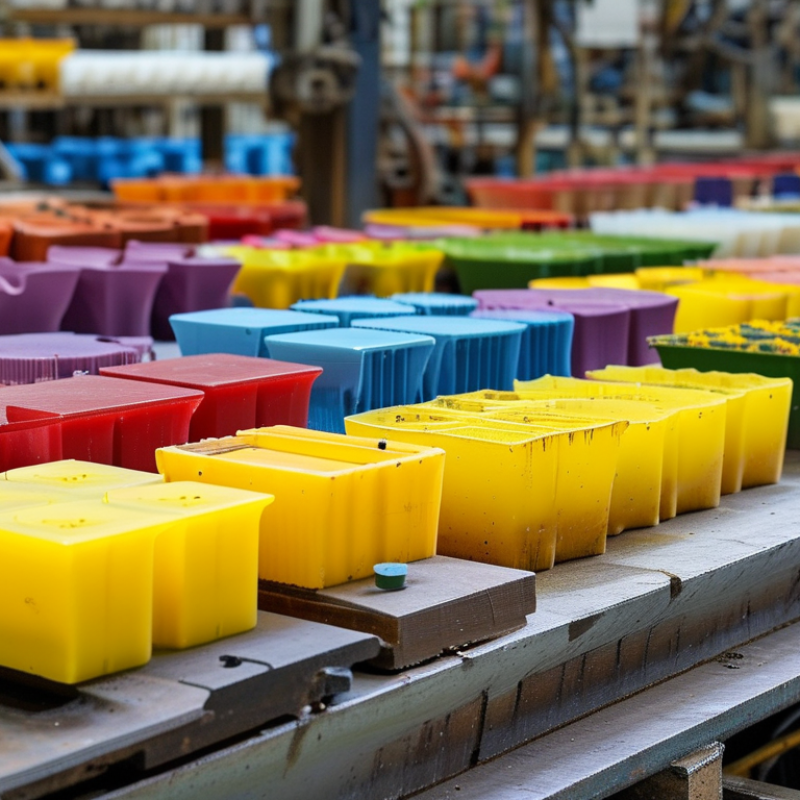
Understanding Injection Molding: A Brief Overview of the Process
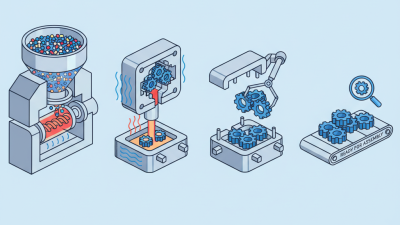
Injection molding is a widely used manufacturing process. It transforms raw materials into finished parts. The process begins by heating the material until it melts. This molten material then enters a mold, where it cools and hardens into the desired shape.
During injection molding, several factors can impact the final product's quality. Temperature control is vital. If the material is too hot or too cold, defects can occur. Molds must also be designed with precision. Any flaws in the mold can lead to significant issues with the final part.
For buyers interested in injection molding materials, understanding these aspects is crucial. Each material offers unique benefits and challenges. For instance, some materials may provide better durability, while others may offer flexibility. Weighing these factors can lead to better decision-making. It's essential to approach this process with thorough research to avoid costly mistakes.
Key Properties of Injection Molding Materials: What Buyers Should Know
When choosing injection molding materials, understanding key properties is essential. Buyers should consider factors like strength, flexibility, and temperature resistance. For instance, materials with high tensile strength are ideal for parts that require durability. Some thermoplastics offer excellent flexibility, while engineering plastics can withstand higher temperatures.
Different applications call for various properties. For automotive components, lightweight materials that endure impact are vital. In contrast, medical devices demand sterility and biocompatibility. This variation requires a thorough evaluation of material characteristics based on industry needs.
It's important to reflect on the limitations of each material. For example, while certain plastics may be affordable, they may lack the thermal resistance needed for specific applications. Engineers often face trade-offs between cost, performance, and longevity. Understanding these factors helps in making informed decisions for successful production.
Popular Thermoplastics and Their Applications in Injection Molding
When it comes to injection molding, selecting the right thermoplastic material is crucial for product quality and durability. Popular thermoplastics include ABS, polypropylene, and polycarbonate. Each material has unique properties making it suitable for various applications. ABS is highly favored for its strength and impact resistance, making it ideal for automotive components and consumer electronics. Polypropylene is lightweight and resistant to chemicals, often used in packaging and medical devices. Polycarbonate, on the other hand, offers excellent transparency and durability, making it perfect for eyewear lenses and safety equipment.
Consider the end-use of your product when selecting materials. For instance, products exposed to high temperatures require heat-resistant plastics. Always evaluate mechanical properties, such as tensile strength and flexibility. Different applications may call for a compromise between rigidity and impact resistance. Regularly consulting material data sheets will help keep you informed about the right choices for your specific needs.
Testing prototypes can reveal unexpected flaws. Sometimes, even minor adjustments in material can lead to significant performance improvements. Be prepared to refine your approach based on feedback and testing results. Engage with suppliers to understand the latest innovations in thermoplastics, as new materials emerge frequently, offering better performance or lower costs.
Comparing Thermosetting Plastics for Different Injection Molding Needs
When choosing thermosetting plastics for injection molding, understanding their unique properties is crucial. Thermosetting plastics, like epoxy and phenolic resins, undergo irreversible curing. This means they maintain strength and stability at elevated temperatures, making them ideal for high-performance applications. Industry reports indicate that thermosetting plastics account for over 25% of the global injection molding market, driven by demand in automotive and aerospace sectors.
Epoxy resins, known for their excellent adhesion and chemical resistance, are widely used in electronics and industrial components. According to recent market analysis, the global epoxy resin market is expected to grow by approximately 6% annually through 2026. However, the curing process can be sensitive to variations in temperature and humidity, leading to potential quality control issues. Phenolic resins, recognized for their heat resistance and low smoke generation, are gaining popularity in consumer products. Yet, they can exhibit brittleness, which presents challenges in applications requiring flexibility.
Choosing the right thermosetting plastic depends on balancing performance and production capabilities. Buyers must consider factors like thermal stability and curing parameters. The choice of material can make or break production efficiency. Awareness of these challenges is essential for optimizing injection molding processes and meeting specific application demands.
Best Injection Molding Materials for Global Buyers
| Material Type |
Thermal Stability (°C) |
Mechanical Strength (MPa) |
Chemical Resistance |
Applications |
| Epoxy Resin |
150-200 |
80-200 |
Excellent |
Electronics, Automotive |
| Phenolic Resin |
120-180 |
70-150 |
Good |
Laminates, Automotive parts |
| Polyester Resin |
150-210 |
60-120 |
Good |
Boats, Automotive |
| Melamine Resin |
160-200 |
70-100 |
Excellent |
Tableware, Flooring |
| Urea-Formaldehyde Resin |
120-180 |
50-80 |
Moderate |
Particleboard, Insulation |
Factors to Consider When Selecting Injection Molding Materials Globally
When selecting injection molding materials, several key factors must be considered. First, the intended application greatly influences material choice. For instance, automotive applications often require high-impact resistance, while consumer goods might prioritize aesthetics and cost. According to the research by Global Industry Analysts, polycarbonate and polypropylene are leading materials due to their versatility.
Another important factor is environmental impact. Sustainable materials are increasingly important for global buyers. This shift is evidenced by a 30% rise in the use of recycled plastics in manufacturing processes over the past five years. However, many manufacturers still struggle with sourcing recycled materials consistently, reflecting a gap in supply chain reliability.
Durability and processing ease are also critical elements. Some materials may offer excellent properties but present challenges during production. For example, materials with high melting temperatures can lead to longer cycle times. According to the Plastics Industry Association, around 40% of manufacturers report issues with material flow during injection molding. This highlights the need for careful material testing and supplier collaboration.
Best Injection Molding Materials for Global Buyers
This chart illustrates the usage frequency of various injection molding materials among global buyers. Polypropylene (PP) leads the chart with the highest usage, reflecting its versatility and cost-effectiveness in manufacturing processes.