What Are the Best Injection Molding Materials for Your Projects?
Injection molding is a key technique in manufacturing across various industries. Choosing the right injection molding materials is critical for project success. According to a recent report by MarketsandMarkets, the injection molding materials market is expected to reach $20 billion by 2026. This growth emphasizes the importance of selecting suitable materials for different applications.
Expert Thomas Ingenlath, a leader in polymer sciences, states, "Selecting injection molding materials can significantly impact both production efficiency and product quality." His insight highlights the fundamental nature of material choice in the injection molding process. Various factors, such as tensile strength, thermal stability, and cost, come into play when making this decision.
Understanding the range of available materials is essential. Common options include thermoplastics, thermosets, and elastomers. Each has unique properties suitable for specific applications. It’s crucial to reflect on the characteristics of these materials. Mistakes in selection can lead to costly rework or product failures. Therefore, a careful evaluation of project requirements and material properties is vital for achieving optimal outcomes.
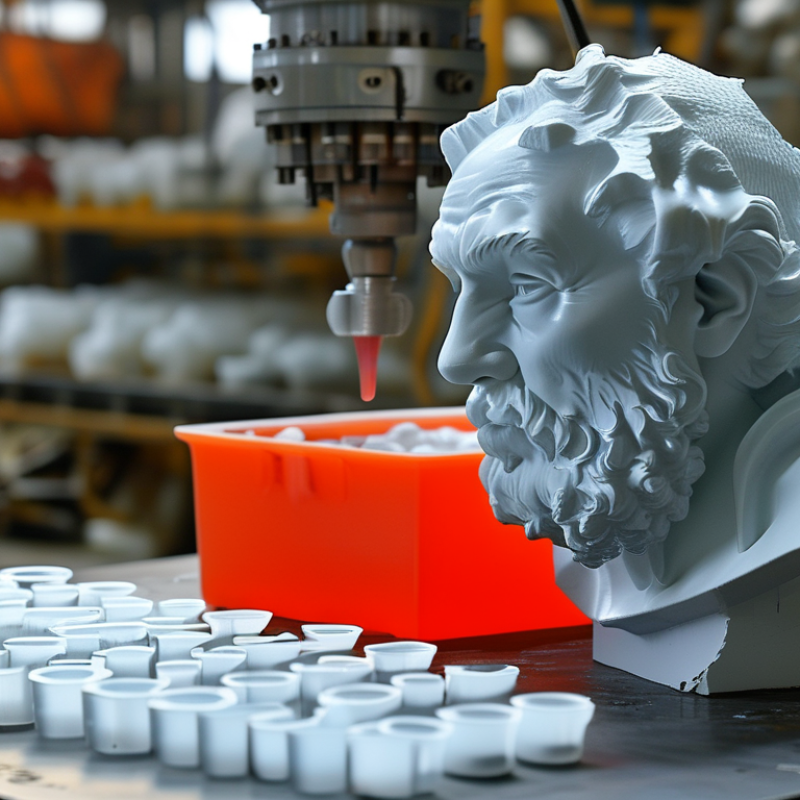
Overview of Injection Molding Materials: Key Categories and Uses
Injection molding materials are crucial in various industries. Understanding the key categories and their uses can enhance your project's success. The most common materials include thermoplastics, thermosetting plastics, and elastomers. Each offers unique benefits. Thermoplastics are versatile and can be remolded. Popular choices include polyethylene and polypropylene. They suit many applications due to their flexibility and strength.
Thermosetting plastics harden permanently after curing. They resist heat and chemicals, making them ideal for electrical components. Epoxy and phenolic resins fall into this category. Elastomers provide excellent flexibility and shock absorption. They are perfect for gaskets and seals. Each material serves specific needs based on project requirements.
Consider the environment when choosing materials. Not all materials are recyclable. Some cause pollution during production. Assess your project’s impact. Look for sustainable alternatives when possible. Testing different materials can reveal unexpected characteristics, so don't hesitate to experiment. Sometimes, the best choice isn't the most obvious one. Keep an open mind to optimize your design and function.
Comparison of Thermoplastics and Thermosets in Injection Molding
When considering injection molding materials, the choice between thermoplastics and thermosets is crucial. Thermoplastics, such as polyethylene and polystyrene, are known for their flexibility and recyclability. According to a recent report by the Plastic Industry Association, thermoplastics account for about 70% of the global polymer market. They are easily moldable, making them suitable for high-volume production. Their ability to soften upon heating allows for multiple reuses, which aligns well with sustainable practices.
On the other hand, thermosets like epoxy and phenolic resins have their unique advantages. They offer excellent thermal stability and are typically stronger than their thermoplastic counterparts. However, once set, they cannot be remolded. This is a limitation worth considering. A study from the American Society of Plastics Engineers indicated that while thermosets represent a smaller segment, they are vital in sectors requiring durability, such as aerospace and automotive.
Both materials have their pros and cons. Thermoplastics excel in processing speed and recyclability, while thermosets provide greater strength and heat resistance. Understanding these differences is essential for making informed decisions in material selection for various projects. Evaluating the specific needs of your application can help optimize performance and efficiency.
Popular Thermoplastic Materials: Properties and Applications
Thermoplastics are essential for many injection molding projects. They offer flexibility, durability, and ease of processing. Polypropylene (PP) is one of the most popular thermoplastic materials. Its low density and excellent chemical resistance make it ideal for automotive and consumer goods. In fact, market reports indicate that PP accounts for about 30% of the global thermoplastics market.
Another widely used material is polycarbonate (PC). It is known for high impact strength and optical clarity. Many industries utilize PC for products like eyewear lenses and safety equipment. According to a recent study, the demand for polycarbonate is expected to grow by 5% annually. However, it can be more expensive than alternatives, prompting evaluative choices for cost-sensitive projects.
Polystyrene (PS) is a lightweight thermoplastic famous for its rigidity and ease of processing. It is commonly used in packaging and disposable products. Despite its benefits, PS is subject to environmental concerns due to its non-biodegradable nature. Industry experts recommend exploring biodegradable alternatives and recycling methods, which can mitigate these drawbacks, showcasing a commitment to sustainability.
Factors Influencing Material Selection for Injection Molding Projects
Choosing the right material for injection molding is crucial for project success. Several factors should influence this decision. Material properties like strength, flexibility, and thermal resistance are essential. According to the American Society for Testing and Materials (ASTM), specific engineering plastics like polycarbonate and nylon offer unique benefits. For instance, polycarbonate can withstand high impact, making it suitable for applications like automotive parts.
Cost is another factor to consider. The Material Market Report indicates that material costs can range significantly. Budget constraints could lead to selecting lower-cost materials, but this may impact product quality. Balancing cost with performance is vital.
Sustainability is becoming increasingly important in material selection. Many manufacturers are prioritizing eco-friendly options. There’s a growing demand for bioplastics, which can reduce carbon footprints. Research from the Society of Plastics Engineers shows that nearly 28% of new projects are now incorporating sustainable materials. Choosing the right injection molding materials requires careful consideration of these factors, ensuring optimal performance without sacrificing quality.
Material Selection for Injection Molding Projects
Sustainability in Injection Molding: Bioplastics and Recyclable Materials
Sustainability in injection molding is gaining traction. Bioplastics are a popular alternative. They are derived from renewable resources, reducing reliance on fossil fuels. Common sources include corn and sugarcane. These materials often have a lower carbon footprint compared to traditional plastics. However, the performance of bioplastics can sometimes fall short. This makes careful selection crucial for specific applications.
Recyclable materials present another path towards sustainability. They can help mitigate the environmental impact of plastic waste. Many conventional plastics are now designed for easy recycling. This approach helps in minimizing landfill contributions. Yet, not all recycling processes are effective. Contamination can complicate recycling efforts significantly. It's essential to educate consumers about proper disposal and recycling methods.
The balance between performance and sustainability remains delicate. As technology advances, new materials are developed. Continuous research is needed to improve bioplastics and recycling methods. The ideal solution may not exist yet. Finding materials that meet performance standards while promoting sustainability is a challenge that the industry must confront. Collaboration and innovation will be critical for future progress in this area.