Top 10 Benefits of Injection Molding for Global Buyers?
Injection molding is a crucial manufacturing process for global buyers. It offers many benefits that enhance production efficiency and product quality. According to a report by Grand View Research, the injection molding market is expected to reach $421.5 billion by 2027. This growth showcases the increasing reliance on injection molding across various industries.
This technique allows for mass production with significant cost savings. Manufacturers can produce complex shapes with high precision. It minimizes waste, which is essential for sustainability. A study from Research and Markets indicates that about 90% of plastic parts in the market utilize injection molding. However, quality control can pose challenges. Proper tooling and material selection are critical for success.
The versatility of injection molding supports diverse applications. Industries such as automotive, consumer goods, and electronics benefit immensely. Yet, buyers need to be cautious of the initial setup costs. While the long-term savings are considerable, the upfront investments can be a barrier. As the global market evolves, understanding these factors is essential for making informed decisions.
Understanding Injection Molding: A Brief Overview
Injection molding is a crucial manufacturing process widely used across various industries. This method allows for the mass production of parts with high precision and repeatability. According to a report by MarketsandMarkets, the global injection molding market is projected to reach $441 billion by 2025, highlighting its increasing importance.
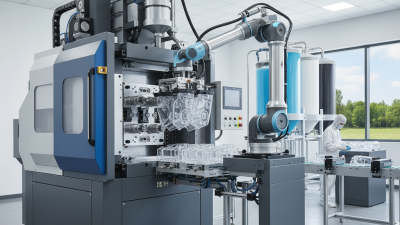
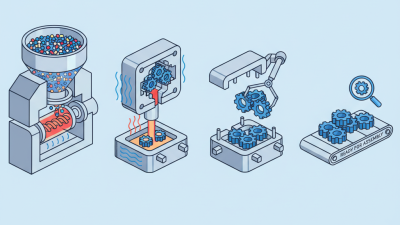
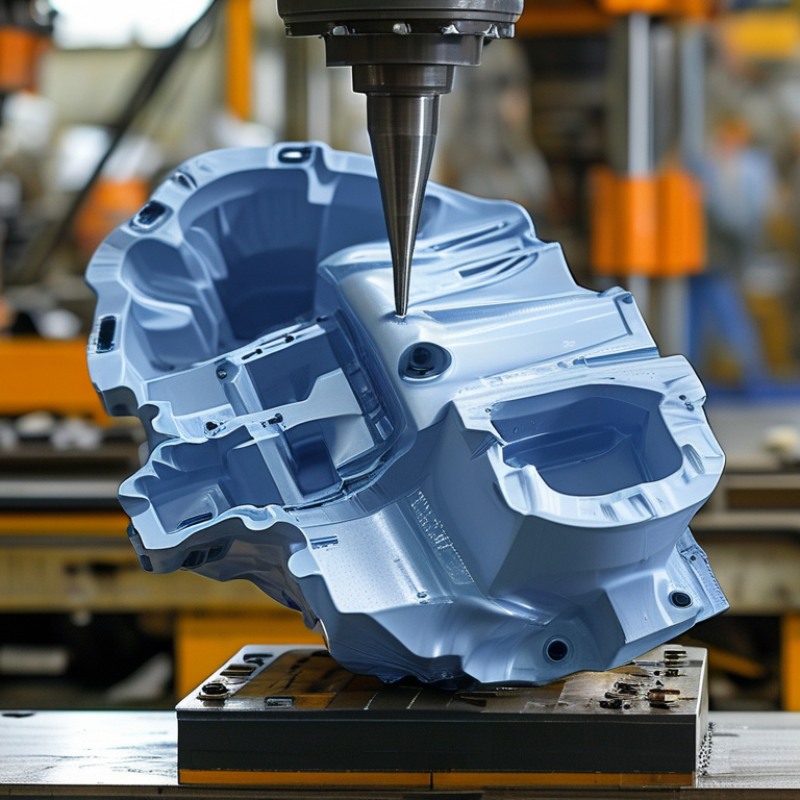
The process involves injecting molten material into a mold, cooling it, and then ejecting the solidified part. As simple as this sounds, each step requires precise engineering and quality control.
One key advantage of injection molding is its efficiency. It can produce complex geometries that would be challenging or costly with other methods. This manufacturing technique also tends to generate less waste, making it a more sustainable option. However, the initial cost of mold creation can be significant. Manufacturers must carefully assess if the long-term benefits outweigh these upfront costs.
When considering injection molding, keep a few essential points in mind. Evaluate the material options available; different resins can significantly affect the final product's durability and cost.
Always think about the tooling lifecycle. Molds can wear over time, impacting production quality. Regular maintenance can prolong their lifespan and reduce the risk of defects. Monitoring these aspects is vital for achieving the best results in injection molding.
Cost Efficiency: How Injection Molding Reduces Production Expenses
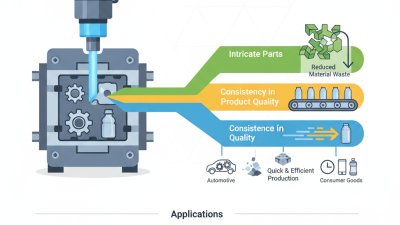
Injection molding stands out for its cost efficiency in production. This method allows manufacturers to produce high volumes of parts at lower costs. It minimizes material waste, which is crucial for maintaining budgets. The process ensures that every bit of material is utilized effectively, making it an eco-friendly option as well. With the right design, it’s possible to achieve intricate shapes without significant expense.
Another advantage is the speed of production. Parts can be created rapidly and in large quantities. This rapid turnaround time reduces labor costs and can significantly lower overhead. However, creating the initial mold requires an upfront investment. Some buyers may find this daunting. It is an essential part of the process, so careful planning is necessary. Evaluating the long-term savings can help justify this initial expense.
Moreover, injection molding enhances quality consistency. Each part produced is nearly identical, which simplifies inventory management. This reliability can streamline logistics and reduce errors. Yet, manufacturers often need to balance quality with cost, which can present challenges. Small adjustments in design or materials can sometimes lead to increased expenses, requiring constant monitoring and refinement. Overall, exploring injection molding offers a way to cut costs while achieving high-quality production, but it demands thoughtful decision-making throughout the process.
Cost Efficiency: Impact of Injection Molding on Production Expenses
Design Flexibility: Tailoring Products to Meet Specific Needs
Injection molding offers remarkable design flexibility, making it a preferred choice for global buyers. This process allows manufacturers to create complex shapes and intricate details that are often unattainable with other methods. According to a report by the American Society of Mechanical Engineers, 70% of companies benefit from enhanced product design flexibility. This capability is crucial for meeting specific market demands and customer preferences.
By utilizing injection molding, businesses can tailor their products to fit unique requirements, from automotive parts to consumer electronics. This adaptability leads to less waste and more efficient production cycles. A study published by the Society of Plastics Engineers states that injection molding can reduce material waste by up to 15%. However, designers must carefully consider material choices and production constraints. Overlooking these factors can lead to costly revisions.
Moreover, the ability to quickly modify molds allows for easier testing of prototypes. This rapid iteration can help identify design flaws early in the process, saving time and resources. An industry survey highlighted that 60% of engineers find rapid prototyping essential for improving product quality. Still, balancing creativity with practicality is often challenging and can lead to oversights. Designers must remain vigilant in evaluating their assumptions to maximize the benefits of injection molding.
Speed and Scalability: Meeting Demand with Rapid Production Rates
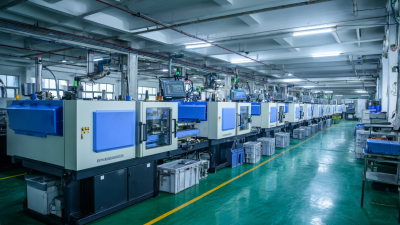
Injection molding has transformed manufacturing, especially in terms of speed and scalability. The process allows companies to produce large volumes of parts quickly, which is essential for meeting increasing global demand. According to industry studies, injection molding can produce thousands of parts per hour. This offers manufacturers a competitive edge, especially when speed is critical.
However, achieving this speed requires careful optimization of machinery and processes. A poorly calibrated system can lead to defects, affecting the entire production line. Moreover, while the initial setup for injection molding can be costly, the long-term savings often outweigh these expenses. The efficiency gained from rapid production can lead to lower per-unit costs over time, but this requires a commitment to quality and precision throughout the manufacturing process.
In today's fast-paced market, the ability to scale production efficiently is crucial. With growing consumer expectations, companies must be ready to adapt. Industry reports indicate that those who invest in advanced injection molding technologies typically see better scalability. However, this shift demands continual training and adaptation by workforce members to ensure efficiency and minimize errors. In this dynamic landscape, businesses must balance speed with quality to maintain their market positions.
Quality and Consistency: Ensuring High Standards in Manufacturing
Injection molding has become the go-to method for manufacturers seeking quality and consistency. This technique ensures tight tolerances and uniformity in the products produced. Each molded piece reflects high standards, with minimal variations in size or shape. For global buyers, this uniformity is crucial, especially when components need to fit perfectly in assemblies.
Manufacturers invest in advanced technology to enhance precision. Automated processes reduce human error, leading to higher quality results. This consistency results in fewer defects, saving time and costs in production. However, maintaining these high standards can be challenging. Variations in material quality and environmental conditions may impact the final product. Continuous monitoring and adjustments are essential to uphold the expected quality metrics.
Buyers must ensure their manufacturers adopt strict quality control measures. They should ask about the processes in place to monitor consistency. Understanding the production workflow gives insight into potential risks. Transparent communication about quality standards fosters trust. In this evolving landscape, staying informed is vital for making sound sourcing decisions.