How to Understand the Injection Molding Process for Buyers?
The injection molding process plays a crucial role in manufacturing various plastic products. According to a report by MarketsandMarkets, the global injection molding market is expected to reach $370.2 billion by 2025, reflecting its significance in the industry. Understanding this process can improve product design, reduce costs, and enhance production efficiency for buyers.
Expert Robert H. Miller, a leading figure in the field, stated, “Navigating the complexities of the injection molding process can be daunting, yet it is essential for manufacturers to create high-quality products.” His insights highlight the importance of comprehending the nuances of this method. Many buyers overlook the technical details while focusing solely on cost.
This oversight can lead to costly errors and delays. Knowledge of material selection, cycle times, and design intricacies can dramatically influence project outcomes. Buyers must engage with experts and ask the right questions. A proactive approach can unveil hidden opportunities and empower decision-making in the injection molding process.
Understanding the Basics of Injection Molding for Buyers
Understanding the basics of injection molding is crucial for buyers. This process involves
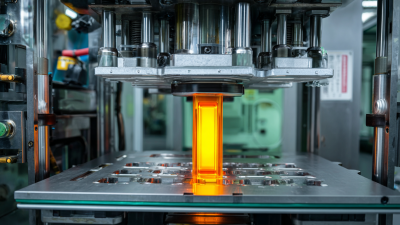
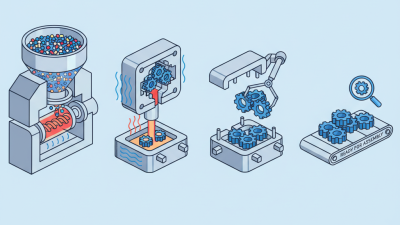
injecting molten plastic into a mold to create products. It’s widely used for manufacturing parts in various industries.
Knowing the principles behind it can help buyers make informed decisions.
Buyers should be aware of the types of materials used in injection molding.
Common materials include ABS, polypropylene,
and polycarbonate. Each material boasts unique properties. For instance,
ABS is known for its toughness, while polycarbonate
is ideal for clarity and strength. Choosing the right material can significantly impact the product’s performance and cost.
Understanding the design considerations is equally important. The mold design affects the final product.
Buyers must consider factors such as wall thickness and draft angles.
A poorly designed mold can lead to defects. These defects may require reworking or result in production delays.
It’s essential to communicate closely with manufacturers to avoid these pitfalls.
Reflecting on these elements will empower buyers in their sourcing decisions.
Key Components of the Injection Molding Process Explained
Injection molding is a complex process that requires an understanding of several key components. The process starts with material selection, typically thermoplastics or thermosets. Buyers must know the properties of these materials. Different applications require different characteristics such as flexibility or strength. Making the right choice can significantly affect the end product.
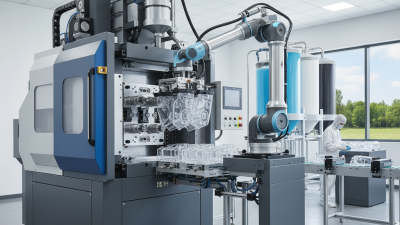
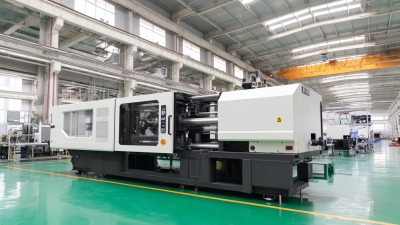
The machine itself plays a pivotal role in the process. It consists of a hopper, barrel, and injection unit. The hopper feeds plastic pellets into the barrel where they are heated and melted. An experienced operator can adjust temperature and pressure settings to ensure a precise flow. However, inconsistencies can occur. This is where the importance of the mold comes in. Molds are customized for each part and can be quite costly. Flaws in the mold design can lead to defects in the final product.
Finally, the cooling system is often overlooked but crucial for efficiency. It influences the cycle time of production. If cooling is inadequate, it can lead to warping or dimensional inaccuracies. Buyers should take these factors into account. Understanding these components not only helps in making informed decisions but also highlights potential pitfalls.
Factors Influencing Injection Molding Costs and Lead Times
When considering injection molding, costs and lead times are crucial factors. Industry reports indicate that material selection significantly impacts pricing. For example, thermoplastics can range from $1 to $5 per pound. This variation can heavily influence the overall budget. Buyers should analyze the properties of each material to ensure the right choice without overspending.
Lead times also depend on several variables. A common average for production is four to six weeks. However, complexity in mold design can extend this period. Simple designs often lead to quicker turnaround times. Unexpected delays can arise from unforeseen changes in design or sourcing issues. According to a recent survey, about 30% of manufacturers experience such setbacks. Understanding these dynamics allows buyers to plan accordingly.
Finally, assessing your supplier's capabilities is essential. A reliable partner can navigate material shortages and other challenges effectively. Buyers should consider the supplier’s experience and track record. Engaging with experienced suppliers enhances project outcomes, but it’s vital to clarify expectations upfront. This approach helps prevent misunderstandings and ensures smoother collaboration.
Evaluating Quality Control in Injection Molding Production
Quality control in injection molding is vital for successful production. It ensures that the end products meet specific standards. Buyers need to understand what constitutes effective quality control. Regular inspection of raw materials and finished parts plays a significant role. This helps catch defects early in the process.
Testing methods can vary widely. Some companies use visual inspections, while others employ advanced technology. Buyers should look for manufacturers using comprehensive testing protocols. Inconsistent quality can lead to costly delays and rework. It is essential to communicate any quality concerns with suppliers. This builds a relationship based on trust and transparency.
Documentation is another critical factor. Proper records show what quality checks were done. However, not all companies maintain thorough documentation. This inconsistency can pose risks. Buyers must ask about the quality control process in detail. Engaging with manufacturers about their practices can provide deeper insights. It is not just about the cost; understanding quality can lead to better long-term partnerships.
How to Understand the Injection Molding Process for Buyers? - Evaluating Quality Control in Injection Molding Production
| Quality Control Aspect |
Description |
Measurement Method |
Frequency |
Acceptable Standards |
| Material Quality |
Ensure that materials used meet specified grades and properties. |
Material Certification Checks |
Every batch |
ASTM Standards or equivalent |
| Dimensional Accuracy |
Products must meet specific dimensions to ensure proper fit and function. |
Caliper Measurements |
Every 100 pieces |
±0.1 mm tolerance |
| Surface Finish |
Visual and tactile assessment of surface quality and finish. |
Visual Inspection |
Every batch |
No visible defects |
| Shrinkage Rate |
Check the shrinkage of materials during cooling to maintain dimensions. |
Compare against specified rates |
Per project |
Within 2-5% range |
| Color Consistency |
Ensure uniform color throughout the production run. |
Color Matching Tools |
Every batch |
No noticeable discrepancies |
Tips for Selecting the Right Injection Molding Supplier
Selecting the right injection molding supplier is crucial for your project's success. Begin by assessing their experience. A supplier with years in the industry often understands complex requirements. Look for those who have worked on projects similar to yours, as this can enhance communication.
Do not overlook the importance of production capabilities. A reliable supplier should offer a range of services, including design support and prototyping. Ask for samples to evaluate their quality. You can learn a lot from these samples. It reveals their attention to detail and commitment to excellence.
Consider the supplier's location as well. Proximity can reduce shipping costs and lead times. However, it may come with trade-offs. Suppliers overseas might offer lower prices but can create communication barriers. Evaluate your priorities. Balance cost, quality, and service. A poor choice can lead to delays and frustration, so take time to reflect on your options.