Top 10 Types of Rotating Machines You Need to Know?
Rotating Machines play a crucial role in various industries. These machines convert energy into motion, enabling countless applications. From large turbines generating electricity to small electric motors in household appliances, their impact is significant.
Understanding the top types of rotating machines can enhance knowledge and efficiency in operational settings. These machines differ in design, function, and application. Each type has its unique characteristics and uses. For instance, some machines focus on generating power, while others excel in mechanical movement.
However, it’s essential to acknowledge that not all rotating machines perform flawlessly. Factors like wear and tear can influence efficiency. Recognizing these challenges is vital. By delving into the different types, users can identify potential issues and areas for improvement. Exploring this topic not only educates but also invites critical thinking about machine performance.
Types of Rotating Machines: An Overview of Key Categories
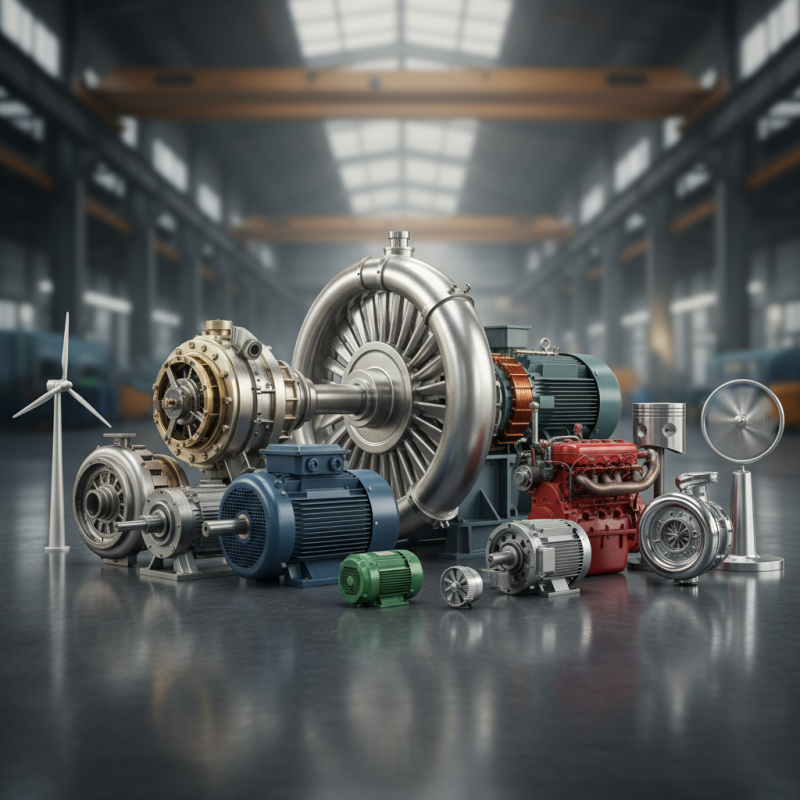
Rotating machines are essential in many industries, driving operations from manufacturing to power generation. They encompass various types, each serving unique purposes. Key categories include electric motors, turbines, and pumps. According to the Global Rotating Equipment Market Report, the electric motor segment is projected to grow significantly, reaching over $130 billion by 2025.
Electric motors are everywhere. They power everything from household appliances to electric vehicles. In fact, they account for around 60% of all electricity consumption in industrial applications. Turbines, another major category, convert energy from fluids into mechanical energy. This technology is critical in generating power. It's worth considering, however, that the efficiency of these machines can vary widely.
Pumps are vital as well. They transport fluids and play crucial roles in water systems and chemical processes. More than 80% of industrial processes require some form of pumping. Despite their significance, many machines face maintenance challenges. Wear and tear can lead to unexpected failures, which companies often overlook. This requires ongoing assessments to enhance reliability and efficiency. Understanding these various types of rotating machines is essential for optimizing performance and preventing costly downtime.
Industrial Applications of Rotating Machines: Importance and Impact
Rotating machines play a crucial role in various industrial applications. These machines drive numerous processes in sectors such as manufacturing, energy, and transportation. According to a recent industry report, around 40% of the total energy usage in industrial sectors is attributed to rotating machines, highlighting their importance.
In manufacturing, rotating machines, including motors and pumps, enhance productivity. They help in automated processes, reducing labor costs and increasing output efficiency. However, issues like unplanned downtime due to machine failure can lead to significant production losses. The average cost of downtime for manufacturing operations can range from $500 to $1,000 per minute, depending on the industry.
The energy sector also heavily relies on rotating machines. Wind turbines, for example, convert kinetic energy into electrical energy efficiently. Despite advancements, challenges remain, such as rotor blade degradation. Reports suggest that nearly 20% of maintenance costs in wind farms are linked to these components. Addressing these issues is crucial for improving reliability and performance in the long run.
How Rotating Machines Operate: The Fundamental Mechanics Explained
Rotating machines play a vital role in our daily lives. They convert energy into motion, performing essential tasks. These machines rely on principles of mechanics. Understanding how they operate helps us appreciate their significance.
At the core of rotating machines is the rotor. It spins at high speeds. This motion generates forces that accomplish various work. For instance, in a fan, blades rotate to create airflow. In contrast, some machines use rotors to produce electricity. Each machine has unique characteristics, yet they share common mechanics.
However, not all rotating machines function perfectly. Mechanical wear can lead to inefficiencies. Misalignment might cause vibrations and noise. Users often overlook maintenance, leading to unforeseen breakdowns. Recognizing these flaws encourages a proactive approach. By understanding the fundamentals, we can enhance performance and longevity. This awareness could drive innovation in machine design.
Comparative Analysis of Common Rotating Machines and Their Uses
When diving into the world of rotating machines, understanding their diverse uses is essential. These machines are integral to various industries, from manufacturing to energy production. Turbines, for instance, convert kinetic energy into mechanical energy. They play a crucial role in power generation. Each turbine type can vary significantly. Some are optimized for efficiency, while others focus on durability.
Pumps also belong in this category. They move fluids and are vital in irrigation and oil drilling. Notably, the design and capacity of pumps can greatly affect their performance. Some may struggle with high viscosity fluids while others excel. Moreover, electric motors are ubiquitous in daily life. They drive everything, from household fans to industrial machinery. However, motor efficiency often comes into question. Choosing the right motor for a specific task can be challenging.
There are uncertainties with each rotating machine type. Gearboxes can enhance performance but may introduce complexity. The balance between efficiency and maintenance needs requires careful consideration. Often, operators are left reflecting on whether they made the right choice. Recognizing the strengths and weaknesses of each machine type is vital for effective application. This understanding helps in decision-making, ensuring systems operate as intended.
Future Trends in Rotating Machine Design and Technology
The future of rotating machines is an exciting field. Advances in technology are transforming design and efficiency. Innovative materials are emerging, promising lighter and stronger components. This shift may lead to better energy consumption and overall performance. Some designs prioritize sustainability, with a focus on reducing waste and environmental impact.
However, challenges remain. Engineers must address limitations in current technologies while meeting increasing demands for productivity. Balancing performance and sustainability is complex. Additionally, integrating new technologies can be costly and time-consuming. The transition to smarter machines is not without hurdles. Automation and AI are influencing designs, but implementation can be uneven.
Research is ongoing, and collaboration is key. Engaging with interdisciplinary teams can drive breakthroughs. Future machines may feature self-diagnostics and improved safety measures. The concept of modular designs is gaining traction, allowing for easier upgrades. Embracing change is essential as the industry evolves. The path ahead holds potential but requires careful navigation.