
When exploring renewable energy, understanding different Photovoltaic Bracket types is crucial. These brackets support solar panels on rooftops and ground mounts. Each type offers unique benefits, and knowing these can enhance solar efficiency.
Photovoltaic Brackets come in several designs, tailored for various installation needs. Some are fixed, while others offer adjustable angles. It's vital to choose the right one for optimal sunlight capture. However, not all options are perfect. The wrong bracket can lead to poor performance or even damage.
As the solar industry evolves, innovation in Photovoltaic Bracket design continues. More efficient models appear each year, but important questions linger. Are the latest options genuinely improving installations? Sometimes, familiar choices work best. Understanding these nuances is key to making informed decisions.
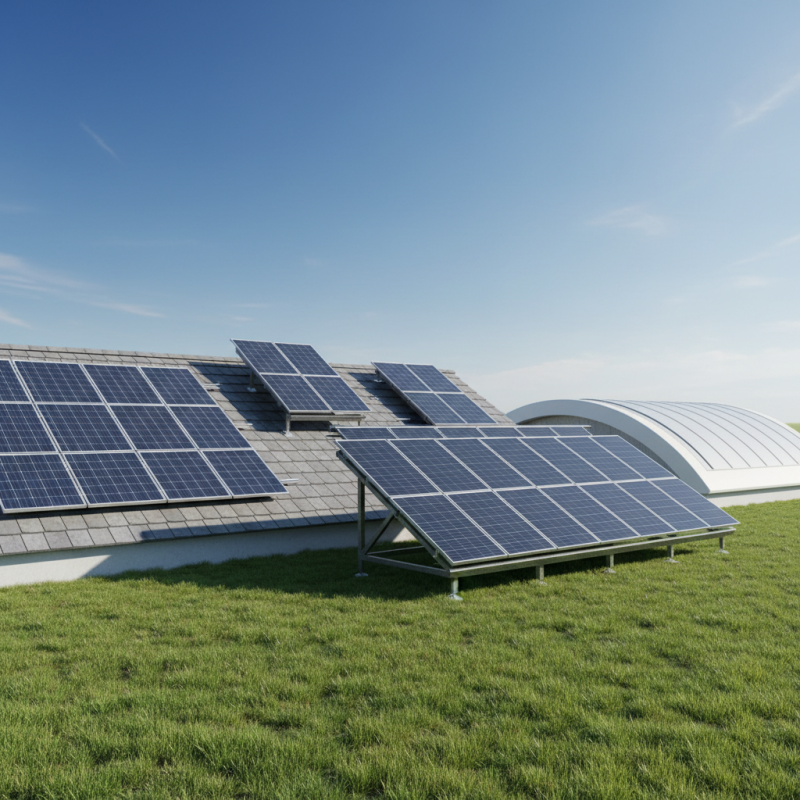
Photovoltaic brackets play a crucial role in solar energy systems. They ensure that solar panels are properly mounted and optimally positioned for maximum sunlight exposure. Studies show that proper mounting can increase energy efficiency by up to 10%. There are several types of brackets available in the market, each serving specific needs.
Fixed brackets are among the most common. They are designed for stable installations. Their simplicity can lead to lower installation costs. However, their fixed nature means they do not adjust to seasonal sun path changes. This static approach can lead to reduced efficiency over time. On the other hand, adjustable systems allow for tilting. This adaptability can optimize energy capture, but they are often more complex and can be costly.
Another option includes tracking mounts. These systems follow the sun's movement. Research indicates they can boost energy output by as much as 25%. Yet, the mechanical parts require more maintenance and care. It’s essential to consider the location and environment before choosing the type. Each bracket has its pros and cons that require thoughtful assessment. Balancing cost, efficiency, and maintenance needs is key for any installation.
: Photovoltaic brackets secure solar panels for optimal sunlight exposure. They are essential for an efficient solar energy system.
Fixed brackets are simple and cost-effective. However, they cannot adjust for seasonal sun changes, potentially lowering efficiency.
Adjustable brackets allow for tilting. This adaptability can enhance energy capture, but they are often more complex and costly.
Tracking mounts follow the sun's path. They can increase energy output by up to 25%, but require regular maintenance.
Pole mount brackets use space efficiently. They adapt to uneven terrain and can improve energy capture significantly in urban areas.
Installation needs careful planning. High winds can undermine stability, and accessibility for maintenance may be limited.
A solid foundation ensures stability against environmental stresses. Soil type greatly influences the foundation's requirements.
Regular inspections of brackets and anchors can prevent wear or instability issues, saving costs in the long run.
Stainless steel and aluminum are durable choices. They withstand harsh weather conditions well, ensuring longevity.
Neglecting soil condition assessment can lead to future issues. It’s essential to evaluate soil types before installation.
Photovoltaic brackets play a crucial role in the efficient installation and performance of solar photovoltaic (PV) systems. Understanding the different types of brackets is essential for optimizing solar energy generation. The article outlines the top five types of photovoltaic brackets: fixed solar brackets, which provide stability and simplicity; adjustable solar brackets, known for their versatility in maximizing sun exposure; pole mount brackets, ideal for locations with limited space; ground mount brackets, which offer a sturdy foundation for large installations; and rooftop brackets, specifically designed for residential solar applications. Each type comes with its distinct benefits and installation requirements that cater to various environmental and spatial considerations.
In summary, selecting the appropriate photovoltaic bracket is vital for ensuring that solar panels are installed at the correct angle and stability, ultimately enhancing energy efficiency. By understanding the functions and advantages of each bracket type, installers and homeowners can make informed decisions that align with their specific solar energy needs.