
What Are the Top Environmentally Friendly Fans in 2026?

Choosing the top Environmentally Friendly Fans in 2026 takes more than checking a product’s energy label. A quiet motor, steady airflow, and sensible controls matter in everyday use. So do repairable parts and materials designed to last. A fan that stays in a closet is not an efficient choice, however impressive its specifications look.

Architect and sustainability advocate William McDonough has said, “Design is the first signal of human intention.” His idea offers a useful lens for evaluating fans, though it is not a fan-specific recommendation. This guide compares models through practical details: airflow relative to power use, operating noise, available speed settings, and ease of cleaning. We also consider whether manufacturers provide clear product specifications and replacement parts. These details can reveal more than green wording on a box. Small differences count. A bedroom fan may need a soft low setting, while a workshop model may need stronger airflow. No single design suits every room, and energy use depends partly on how long and how often a fan runs. Product claims also deserve a careful look; not every appealing feature makes a fan more sustainable. The comparisons ahead aim to make those trade-offs easier to see, while recognizing that product data and availability can change during 2026. A little skepticism helps.
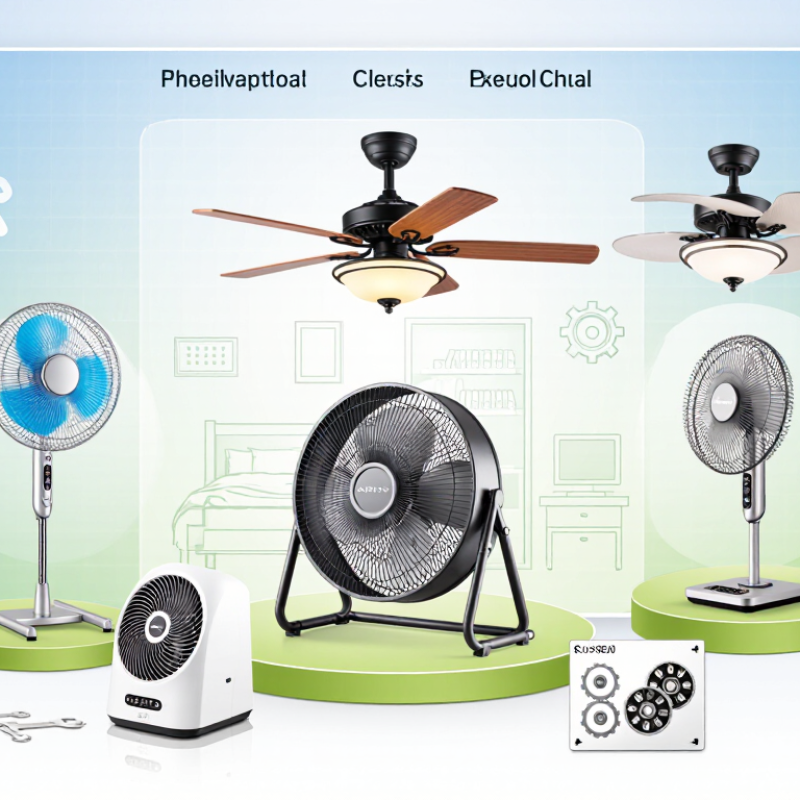
What Are the Top Environmentally Friendly Fans in 2026?

How Environmentally Friendly Fans Are Defined in 2026

What Are the Top Environmentally Friendly Fans in 2026?

How Environmentally Friendly Fans Are Defined in 2026

In 2026, an environmentally friendly fan is not defined by appearance or a “green” label alone. Its core measure is useful airflow delivered per watt, ideally verified through standardized testing. ENERGY STAR’s published ceiling-fan data reports that certified models are 60% more efficient than conventional fan-and-light units. That comparison is useful, but it does not capture every aspect of a fan’s footprint. Motor life, repairability, recyclable materials, and standby power also matter.

The U.S. Department of Energy notes that ceiling fans can let occupants raise a thermostat setting by about 4°F without reducing comfort. Fans cool people, not rooms, so leaving one running in an empty space wastes electricity. A good 2026 assessment therefore considers efficiency alongside controls, room size, installation, and actual use. Small details matter. A highly efficient fan installed too high or poorly balanced may deliver less practical benefit than its test rating suggests.

Tips: Compare airflow-per-watt figures under the same testing standard, then check control options and replacement-part availability. Use a timer or switch the fan off when you leave. Look for clear manufacturer data, not vague claims such as “eco-friendly.” Real-world savings vary, and efficiency labels are not a complete lifecycle assessment.

Which Features Determine a Fan’s Environmental Impact?

A fan’s impact depends on airflow per watt, operating hours, and service life. That sounds simple. Yet shoppers often compare appearance before efficiency. ENERGY STAR reports that certified ceiling fans are about 60% more energy efficient than conventional fan-and-light units. Check airflow efficiency, usually stated as cubic feet per minute per watt, at more than one speed. A strong high-speed rating means little if the fan performs poorly on the setting used each evening.

How a fan is used matters, too. The U.S. Department of Energy says ceiling fans can let people raise a cooling thermostat by about 4°F without reducing comfort. A fan does not lower room temperature; it cools people through moving air. Switch it off when the room is empty. A timer or occupancy control can help, though controls only save energy when they match real habits.

Durability adds another layer. A long-lasting motor, replaceable parts, and sturdy blades can reduce how often a fan needs replacement. Look for clear material and repair information, not just “eco-friendly” wording. Here’s the less tidy point: published life-cycle comparisons are not always available or directly comparable. So weigh verified efficiency data alongside realistic use, repair options, and expected service life.

What Are the Top Environmentally Friendly Fans in 2026?

Annual electricity use by fan input power, modeled at 8 hours of operation per day for 365 days.

Annual use is calculated as input power × 8 hours × 365 days: 10 W uses 29.2 kWh per year, while 75 W uses 219 kWh. These are power-use scenarios, not product rankings. To compare fans fairly, also check airflow per watt (CFM/W), expected lifespan, repairability, and materials; electricity-related emissions depend on the local power grid.

What Types of Fans Use the Least Energy?

Fans with efficient DC motors often use less electricity than comparable models with older AC motors, especially at low and medium speeds. Ceiling fans can move air across a room using modest power. A well-sized desk or pedestal fan may use even less when cooling one person. Check the airflow rating and watts, not just the motor label. More airflow per watt generally means better efficiency.

Tips: Choose a fan that fits the room. Clean its blades regularly; dust can reduce airflow. Use a plug-in energy meter if you want to check actual power draw.

Small fans are useful. But placement matters: a desk fan aimed at an empty corner does little. In warm weather, moving air helps sweat evaporate, making people feel cooler; it does not lower the room’s temperature. For that reason, run a fan only when someone is present. Reverse-direction ceiling-fan settings may help circulate warm air in winter, but results depend on ceiling height and room layout. Efficiency claims also vary by speed, so compare figures at settings you will actually use. The neatest setup is not always the most comfortable.

What Are the Top Environmentally Friendly Fans in 2026? — What Types of Fans Use the Least Energy?

Fan type Typical input power Estimated energy use per year Energy profile Practical considerations
Small USB or personal fan 2–10 W 5.8–29.2 kWh Very low consumption for personal airflow Uses little electricity, but generally cools only the person nearby rather than an entire room.
DC-motor ceiling fan 5–35 W 14.6–102.2 kWh Often among the lowest-energy options for circulating air in a room Power varies with fan size and speed. Use the lowest comfortable setting and check airflow efficiency when comparing models.
Desk fan 10–30 W 29.2–87.6 kWh Low consumption when directed at one person or a small area A practical choice for a workstation; its limited airflow may not be enough for a large room.
AC-motor ceiling fan 30–75 W 87.6–219 kWh Can circulate air throughout a room; consumption depends on speed and design Choose an appropriately sized fan and switch it off in an empty room. A fan cools people, not the room itself.
Tower fan 25–60 W 73–175.2 kWh Moderate consumption for portable, directional airflow Useful where floor space is limited. Extra features and higher speed settings can increase power use.
Pedestal fan 40–75 W 116.8–219 kWh Moderate consumption with adjustable height and broad airflow Can serve a larger area than a small desk fan; use only the speed needed for comfort.
Box fan 40–100 W 116.8–292 kWh Moderate to higher consumption, depending on size and speed Often used for window or room ventilation. Safe placement and suitable outdoor conditions matter when ventilating through a window.
Whole-house fan 200–700 W 584–2,044 kWh Higher power while running, but it can move large volumes of air quickly Usually operates for shorter periods and is most useful when outdoor air is cooler and conditions allow ventilation; daily-use figures can overstate typical consumption.

How to read the estimates: Annual energy use is calculated at 8 hours per day for 365 days (watts × 2,920 hours ÷ 1,000). Wattage ranges are approximate and vary by size, speed, and design. Lower wattage does not automatically mean better room cooling: compare airflow and airflow per watt, and use a fan only in occupied spaces.

How Do Top Eco-Friendly Fan Options Compare in 2026?

In 2026, the best eco-friendly fan depends less on a label than on room size, operating hours, and repairability. A ceiling fan with an efficient DC motor can move air quietly across a living room while using less electricity than many older AC designs. But installation and ceiling height matter; a poorly placed fan may run all evening without cooling people effectively. Small details matter.

For bedrooms or desks, compact table and pedestal fans are easy to aim and relocate. They cool people, not entire rooms, which may help reduce reliance on central cooling. Their smaller blades and lower airflow can disappoint in a large, open space. Look for several speed settings, a stable base, replaceable parts, and an easy-to-use timer. A timer helps only if people actually set it.

In hot climates, larger ceiling fans can complement air conditioning by improving comfort and allowing a modest thermostat adjustment. Whole-house or window fans can exchange indoor air, but only when outdoor conditions are suitable; dust, humidity, and noise can make them a poor fit. Not every room agrees. Compare airflow and wattage at the speed you will actually use, rather than relying only on maximum figures. Check warranty terms and repair access, too. A fan that lasts years may be a better environmental choice than a cheaper model replaced after one season.

How to Choose a Fan with a Lower Environmental Impact

Choosing a lower-impact fan starts with matching its airflow to the room. A compact bedroom may need less capacity than a large, open living area. Check the fan’s airflow and electricity use together, rather than judging efficiency by wattage alone. A model that runs quietly at a useful speed may replace hours of air conditioning, depending on your climate and habits. That matters.

Look for clear energy information, replaceable parts, and a motor designed for frequent use. A sturdy housing can last longer, but heavy materials also require more resources to manufacture and ship. There is no perfect choice. Compare the likely service life with the product’s repair options, not just its packaging claims. Keep the controls simple; complicated features can go unused.

For a ceiling fan, confirm that the blade size and installation height suit the room. For a portable fan, check whether its base stays stable on a desk and whether the grille can be cleaned easily. Dust buildup can reduce airflow, so maintenance is part of efficiency. I would also consider noise before buying: a fan that is irritating may end up switched off. That trade-off is easy to overlook. A second look at your actual room and daily routine can prevent buying more fan than you need.

We will help turn your vision into reality

Contact Us