Top 10 Benefits of Using Injection Molded Parts in Manufacturing?
In today's manufacturing landscape, the advantages of using injection molded parts are profound. Industry expert Dr. Sarah Thompson, a seasoned engineer with over two decades of experience, states, “Injection molded parts are revolutionizing the way we approach production efficiency.” This method allows manufacturers to produce complex shapes in large quantities at a fraction of the cost.
The benefits of injection molded parts extend beyond mere cost savings. They offer enhanced precision, enabling products to fit together flawlessly. Stronger materials can withstand significant stress, which is crucial in various applications. Moreover, the ability to create intricate designs expands the possibilities for innovation in product development.
While there are challenges, such as initial setup costs and design complexities, the long-term benefits often outweigh these hurdles. Manufacturers need to be aware of the balancing act between cost and quality. Exploring injection molded parts can lead to sustainable growth and efficiency improvements, making this manufacturing method a vital consideration for many industries.
Advantages of Precision and Consistency in Injection Molded Parts
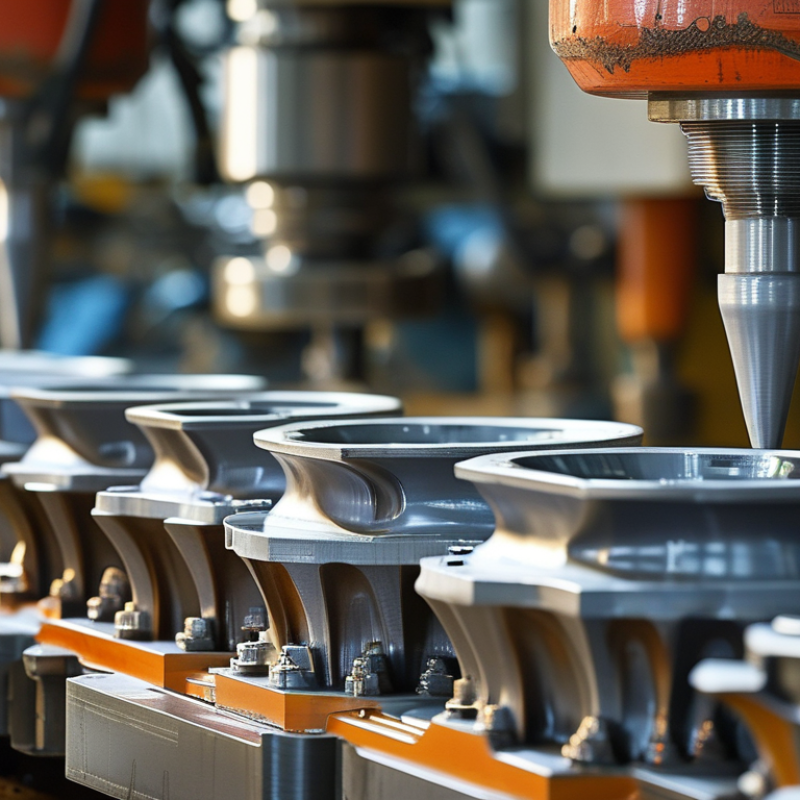
Injection molded parts offer numerous advantages in manufacturing, particularly in
precision and consistency.
These processes allow for complex shapes and intricate designs that
would be difficult to achieve with other methods. The consistency of injection molding ensures that each part produced is
nearly identical, leading to a more reliable end product. This level of uniformity is essential in industries like
automotive and electronics,
where precision is critical.
However, achieving such precision requires careful attention to detail and skilled engineering.
Small deviations in temperature or pressure can result
in imperfections. Manufacturers must constantly monitor these factors to ensure quality remains high.
Investing in advanced technology can help, but it requires ongoing training and adaptation.
Balancing cost and quality can sometimes lead to tough decisions.
The question remains: can the industry keep up with the demand for ever-increasing precision?
This challenge is a true reflection of the industry's commitment to excellence.
Cost Efficiency of Mass Production through Injection Molding
Injection molding is a game-changer in manufacturing. It offers significant cost efficiency, especially for mass production. Manufacturers can produce large quantities of parts quickly and at a lower cost per unit. The initial setup costs may be high, but the savings manifest when producing thousands or millions of identical pieces.
The process enables manufacturers to use various materials, providing flexibility. Specialized designs can be created with intricate details. This adaptability is crucial for meeting diverse customer needs. However, the design must be carefully planned. Overly complex molds can lead to increased production times and costs, challenging the perceived benefits.
While injection molding revolutionizes production, not every part is suitable for this method. Materials might not be compatible, affecting the final product's quality. This limitation requires manufacturers to weigh their options carefully. Balancing speed and quality is essential. Even with advanced technology, imperfections can arise, leading to potential waste. Embracing this reality allows manufacturers to innovate further.
Time Savings in Production: Rapid Cycle Times of Injection Molding
Injection molding is a revolutionary technique in manufacturing. One of its standout advantages is the rapid cycle times it offers. This process allows manufacturers to produce parts quickly, significantly reducing production time.
Faster cycle times mean that companies can meet customer demands more efficiently. This can lead to greater customer satisfaction and increased profitability.
Tips for maximizing efficiency:
- Analyze your production schedule.
- Identify bottlenecks that slow down the process.
- Streamlining communication between teams can also enhance speed.
- Regularly maintain machines to avoid unnecessary downtime.
- Even minor delays can affect overall productivity.
Another benefit of injection molding is the ability to maintain consistent quality. Each cycle produces highly accurate parts. However, it’s essential to continuously check the quality of the produced items. Inspect them for defects and inconsistencies.
Engaging in routine quality assessments can prevent larger issues down the line. While the speed is impressive, ensuring quality shouldn’t be overlooked. Adjustments may be needed to maintain both efficiency and reliability.
Material Versatility: Wide Range of Choices for Injection Molded Parts
Injection molding offers remarkable material versatility, making it a popular choice in manufacturing. According to the Society of Plastics Engineers, over 32% of engineers prefer injection-molded parts due to the wide range of materials available. These materials include thermoplastics, thermosetting plastics, and elastomers, catering to various applications and industry needs.
When deciding on materials, it's essential to consider mechanical properties, such as tensile strength and thermal resistance. For instance, ABS is often used for its excellent toughness. On the other hand, polycarbonate is popular for applications requiring high impact resistance. The choice significantly affects performance, durability, and cost.
Tip: Always evaluate the end-use of your part. This step can save time and resources in production.
One downside to material versatility is the complexity of choice. Engineers sometimes struggle to select the right material among many options. This can lead to increased design iteration. It's vital to conduct thorough testing and seek advice from material experts.
Tip: Engage with material suppliers early in the design phase. Their insights can streamline your selection process.
Ultimately, embracing the variety of materials in injection molding can enhance product quality, but careful consideration is crucial.
Design Flexibility: Complex Geometries Achievable with Injection Molding
Injection molding offers remarkable design flexibility, allowing for complex geometries that traditional manufacturing methods struggle to achieve. With the capability to create intricate shapes, manufacturers can produce parts with detailed features, such as undercuts and thin walls, which are essential for modern applications. According to a report by the American Injection Molding Institute, about 40% of product designers cite geometry flexibility as a primary advantage of injection molding.
The ability to create customized parts significantly reduces the need for assembly. A single molded part can replace multiple components, which streamlines production and minimizes the risk of errors. For instance, automotive components often incorporate complex designs, with geometry optimized for performance and weight reduction. Despite its advantages, many manufacturers still face challenges with mold design and material selection. These factors can impact the feasibility of achieving the intended design.
Numerous studies highlight that up to 30% of production costs can stem from redesigning molds due to unforeseen complexities. This statistic emphasizes the need for careful planning in the design phase. Effective collaboration between design and engineering teams is crucial to mitigate such risks. The potential for creating unique parts through injection molding remains high, yet a thoughtful approach to the design process is essential for overcoming possible obstacles.