Ultimate Tips for Choosing Plastic Water Storage Tanks?
Choosing the right plastic water storage tanks is crucial for many industries. According to a recent report by the Water Storage Association, nearly 75% of water storage facilities utilize plastic tanks due to their durability and cost-effectiveness. However, selecting the appropriate tank involves careful consideration of various factors, including material quality and size requirements.
Expert David Thompson, a well-known consultant in the water storage sector, emphasizes, "Not all plastic water storage tanks are created equal." This statement underlines the importance of rigorous standards in tank selection. For instance, high-density polyethylene tanks often outperform others in terms of UV resistance and longevity.
It's worth noting that even minor mistakes can lead to significant issues. Choosing the wrong size or material can compromise water quality or system efficiency. Awareness of environmental impact, including potential leaks and degradation, must also be factored in. Ultimately, informed decisions about plastic water storage tanks can safeguard resources and ensure safety.
Understanding the Importance of Plastic Water Storage Tanks
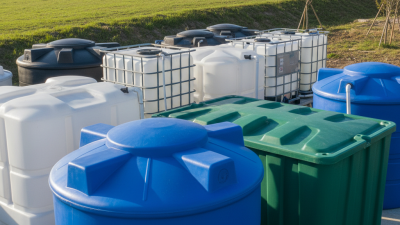
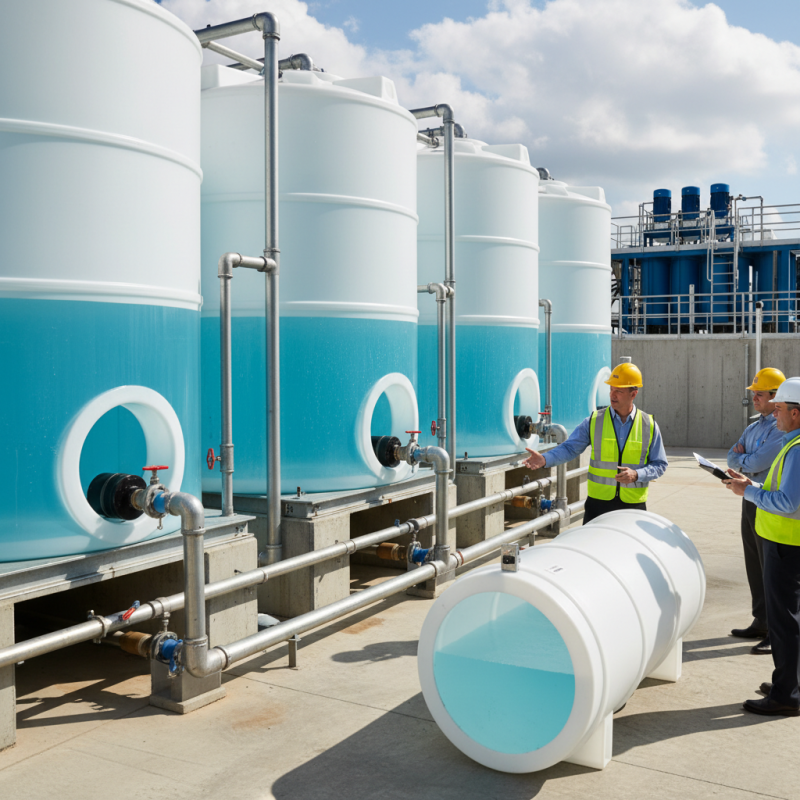
Plastic water storage tanks play a crucial role in various sectors. They ensure that clean water is accessible, whether for agriculture, domestic use, or industrial processes. These tanks are lightweight and relatively inexpensive compared to traditional materials. Their flexibility in size and shape makes them suitable for diverse applications. However, selecting the right tank can be challenging.
One major consideration is the tank material. Not all plastics are created equal. Some may leach chemicals into the water, which is concerning for health. It’s vital to evaluate the tank’s UV resistance and durability. Many users overlook this aspect, resulting in costly replacements. Furthermore, proper maintenance is essential. Regular inspections can help identify cracks or signs of wear.
In areas prone to extreme weather, tanks need to withstand these conditions. Additionally, installation sites should be strategically chosen. Improper placement can lead to contamination or insufficient water flow. Reflecting on these factors can lead to better long-term decisions. Making an informed choice today may save trouble tomorrow.
Factors to Consider When Selecting Material Quality
Choosing the right material for plastic water storage tanks is crucial. Material quality impacts durability and safety. According to industry studies, high-density polyethylene (HDPE) is often favored. It provides excellent resistance to impact and UV rays. Many facilities that handle water storage prioritize tank longevity. A report from the Plastic Water Tank Association highlighted that tanks made from HDPE can last over 30 years with proper care.
However, it's important to recognize that not all HDPE products are created equal. Thickness and resin quality should be considered. Some cheaper tanks may be thinner and prone to leaks. A noted study found that tanks with a wall thickness of fewer than 3mm could fail within five years. Thus, investing in thicker walls could lead to long-term savings and reduced environmental costs.
Another critical factor is temperature resistance. Tanks exposed to extreme heat can warp or degrade. A report by the Water Quality Association revealed that improper storage conditions can lead to contamination. Monitoring tank conditions is essential. Regular inspections can prevent unexpected damage. Ultimately, selecting the right material requires careful evaluation. Quality controls and industry standards play a pivotal role in ensuring safe water storage.
Ultimate Tips for Choosing Plastic Water Storage Tanks
| Factor |
Description |
Importance Level |
| Material Quality |
Look for tanks made from high-density polyethylene (HDPE) that are UV stabilized. |
High |
| Capacity |
Choose a tank size that fits your water needs and available space. |
Medium |
| Shape and Design |
Consider horizontal vs vertical tanks based on installation area. |
Medium |
| Warranty |
Check the manufacturer's warranty to ensure product reliability. |
High |
| Cost |
Compare prices from different suppliers to find the best value. |
Medium |
| Regulatory Compliance |
Ensure the tank meets local health and safety regulations. |
High |
Evaluating Size and Capacity for Your Water Storage Needs
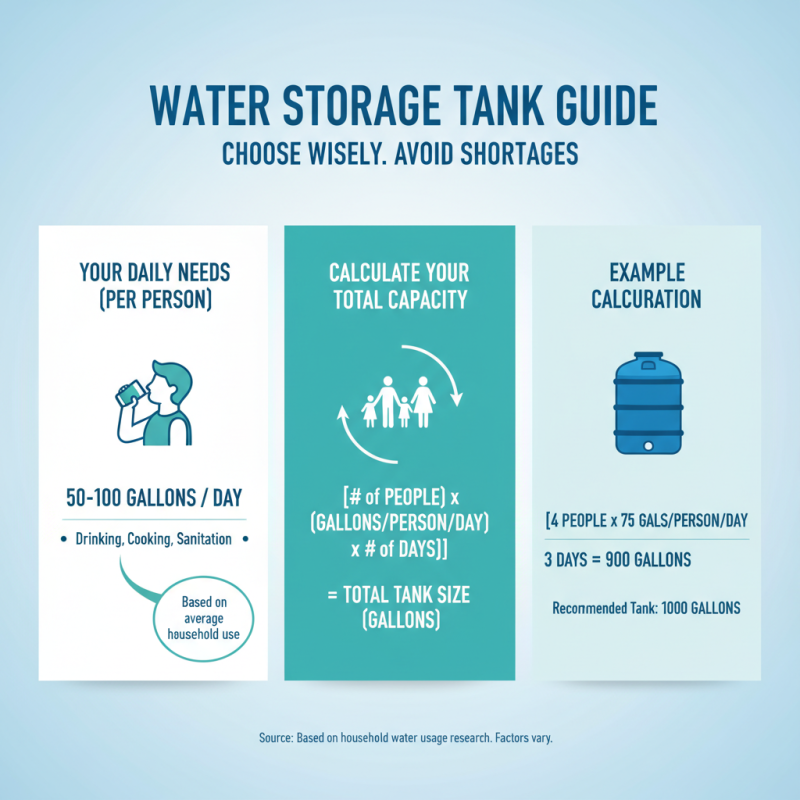
Choosing the right size and capacity for plastic water storage tanks is critical. Many users underestimate their needs. Research indicates that a household typically requires 50 to 100 gallons of water per person per day. This varies based on usage patterns for drinking, cooking, and sanitation. It’s essential to evaluate how many people will rely on the stored water.
When assessing tank size, consider local climate conditions. Hot weather may increase water demand. Moreover, keep in mind that not all tanks are created equal. Some may have internal factors affecting their effective capacity. For example, sediment can fill the bottom, reducing usable space. Maintaining proper tank hygiene is often overlooked but is crucial for optimal performance.
You can also look at seasonal changes. Some households may need more water in summer. An ideal setup should accommodate fluctuations in demand. A larger tank might seem excessive, yet having sufficient storage can avoid shortages. Assessing your specific usage patterns can sometimes reveal gaps in planning. Balancing your storage needs with available space can be a challenge, too. Regular reviews of your water storage strategy are vital for anticipating future needs.
Maintenance Tips for Longevity of Plastic Water Tanks
When it comes to maintaining plastic water storage tanks, regular checks are essential. Ensure the tank is clean and free of debris. A dirty tank can lead to algae growth and contaminated water. Consider using a soft brush for cleaning, and avoid harsh chemicals that can damage the plastic. A simple rinse might not be enough; thorough cleaning is critical.
Inspect the tank for signs of damage. Cracks or leaks can compromise its integrity. Even small issues can lead to bigger problems over time. If you spot any wear, it may be time for repair or replacement. Keeping the tank shaded can also extend its lifespan by protecting it from harmful UV rays. This isn't just a good idea; it's necessary for these products.
Maintaining proper water levels is another key aspect. Overfilling can lead to spills and waste. Furthermore, regular water testing can help you ensure the water’s safety. Sometimes, the simplest actions yield the best results. Regular maintenance requires commitment, but it pays off by prolonging the life of your tank. In the end, small efforts can add up to significant benefits.
Ultimate Tips for Choosing Plastic Water Storage Tanks
This chart represents various features of plastic water storage tanks, including their capacity, durability, cost, weight, and maintenance frequency. These factors are essential in selecting the right water tank for your needs.
Comparing Costs and Brands for Better Decision Making
When comparing costs and brands of plastic water storage tanks, consider your specific needs. Think about sizes, shapes, and capacity. Prices can vary widely. While it might be tempting to choose the cheapest option, quality matters too. A low-cost tank may not last as long, leading to future expenses.
Different brands can offer varied features. Some may have UV protection, while others do not. Researching these options can save you from unexpected issues later. Customer reviews can provide insight into durability and performance. Don’t just rely on marketing claims; real experiences count.
You might find a brand that seems perfect, but are you sure it fits your requirements? It’s essential to reflect on your unique situation. A tank too large can waste space, and one too small will require frequent refills. Weigh your choices carefully. Quality usually reflects the price, so don’t overlook this relationship when making decisions.