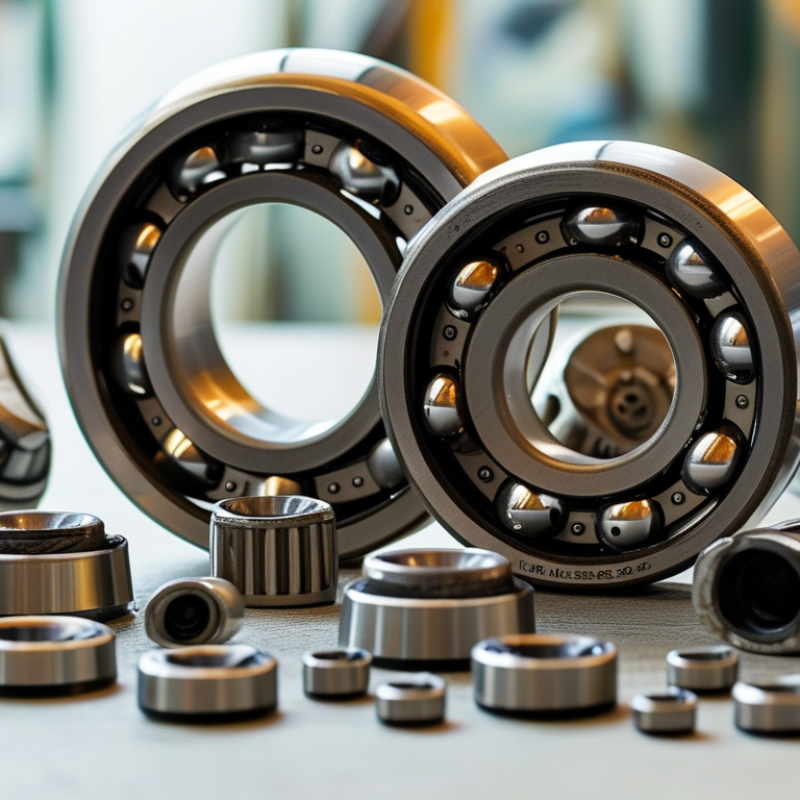
Essential Tips for Choosing Needle Roller Bearings in 2026?
Choosing the right Needle Roller Bearing is essential for optimal machinery performance in 2026. These bearings offer excellent load distribution and compact designs. However, selecting the perfect one can be challenging. There are various factors to consider, such as load capacity and lubrication requirements.
Many engineers emphasize the importance of understanding application needs. Not every Needle Roller Bearing will fit all scenarios. A thorough analysis can save time and reduce costs. Misjudging these factors can lead to premature wear and failure.
Reflecting on past experiences can be valuable. Some users have reported issues with inadequate lubrication or incorrect sizing. Be mindful and conduct research. Identifying reputable manufacturers ensures reliability and quality. Your choice can significantly impact machinery efficiency and longevity.
Understanding Needle Roller Bearings: Types and Applications
Understanding needle roller bearings is crucial for various industrial applications. These components excel where space is limited, providing high load capacity while minimizing friction. Different types include caged, full complement, and needle roller thrust bearings. Each type serves distinct purposes, influencing design choices in machinery and vehicles.
When selecting needle roller bearings, consider load ratings. High load capacity is essential for heavy machinery. Aim for bearings that boast a high dynamic load rating to enhance longevity. Additionally, maintain a proper lubrication strategy. This practice reduces wear and tear, extending bearing life. Remember, even the best bearings require regular maintenance checks.
Another point to reflect on is the choice between caged and full complement needles. Caged bearings offer better performance at high speeds, while full complement versions have higher load capacity. It’s critical to evaluate your specific application needs to make the right choice. Understanding these nuances leads to better performance and reliability in your projects.
Key Factors to Consider When Choosing Needle Roller Bearings
When choosing needle roller bearings, consider several key factors. These include load capacity, size, and lubrication. Each of these aspects impacts the performance and reliability of the bearing in various applications. Assessing the load capacity is crucial. It ensures that the bearing can handle the specific forces it will face. Overloading can lead to premature failure.
Size is another critical factor. Ensure the bearing dimensions match the application requirements. An ill-fitting bearing can cause vibrations and wear. Choosing the right size improves efficiency and reduces maintenance needs.
Lubrication methods also play a vital role. Proper lubrication minimizes friction and heat generation during operation. This helps prolong the life of the bearing. In some applications, a dry lubricant may be suitable, while in others, grease or oil is necessary.
Consider environmental factors too. Conditions such as temperature and the presence of contaminants can affect bearing performance. You may need to reevaluate the bearing choice if conditions change. Regular assessments ensure that the bearings consistently meet the demands of your machinery.
Material Selection for Needle Roller Bearings: Pros and Cons
Selecting the right material for needle roller bearings is crucial for performance. Several materials are available, each with its benefits and drawbacks. Steel, for example, offers excellent load-bearing capacity. However, it may not perform well in corrosive environments. Corrosion-resistant alloys can mitigate this issue but might be pricier.
Another option is plastic. Plastic bearings are lightweight and resist corrosion. They work well in specific applications but have lower load capacities. This trade-off makes plastic a less versatile choice. Manufacturers often face a dilemma when balancing weight and strength.
Additionally, ceramic materials are gaining attention. They provide high wear resistance. Yet, they can be brittle and expensive. Users might wonder if the investment justifies the benefits. Material selection is not always straightforward, and one must consider application-specific requirements. It’s essential to review each material's properties against the operational demands before making a decision.
Assessment of Load Capacity and Performance Specifications
When selecting needle roller bearings in 2026, understanding load capacity and performance specifications is crucial. Load capacity determines how much weight the bearing can handle. This impacts operational efficiency and durability. A thorough assessment of the expected load conditions will guide engineers in choosing the right bearing. Furthermore, consider dynamic and static load ratings. This distinction can significantly affect the lifespan of the component.
Assess performance specifications next. Silently running bearings may be a priority for many applications. Focus on noise levels and vibration. These factors greatly influence equipment reliability. Always evaluate the operating environment. Factors such as temperature, contamination, and lubrication can alter performance. It’s important to think critically about these details.
Investigate material quality. Higher-quality materials can offer better load capacity and wear resistance. Sometimes, the ideal choice isn't the most obvious one. Embrace the possibility of unexpected challenges. Regularly revisiting chosen specifications keeps projects aligned with performance goals. This is especially true in demanding industries.
Load Capacity and Performance of Needle Roller Bearings (2026)
Maintenance Best Practices for Needle Roller Bearings in 2026
Choosing the right maintenance practices for needle roller bearings is crucial in 2026. Bearing failures can lead to costly downtimes. According to recent industry reports, nearly 30% of bearing failures result from inadequate maintenance. Maintaining these components properly can extend their lifespan and enhance operational efficiency.
Regular lubrication is vital. Use high-quality lubricants that suit the specific operational environment. A study indicated that proper lubrication can reduce wear by up to 50%. Check the lubrication intervals based on temperature and load profiles. Clean any contaminants that could lead to increased friction. This helps maintain smooth and efficient operations.
Monitor the temperature and vibration of the bearings. Abnormal readings can signal imminent failures. Regularly inspect for signs of wear or damage, which often go unnoticed. While some amount of wear is expected, significant degradation should be addressed immediately. Thinking ahead can save time and resources. Staying informed about new technologies in monitoring can also improve maintenance strategies. Reliability is key in any operation, and focusing on these practices can significantly reduce unexpected failures.