
7 Tips for Buying Arm Ball Joints?

Choosing an Arm Ball Joint is not just a price comparison. It is a decision about fit, steering response, and long-term wear. A worn joint can cause knocking over potholes, uneven tire wear, or loose-feeling steering. Small clues matter.

This guide covers seven checks: vehicle fitment, joint design, materials, manufacturing quality, protective boots, included hardware, and warranty support. Compare the part number with your vehicle’s year, make, model, and suspension configuration. Look closely at the rubber boot. It should sit evenly, without splits, gaps, or grease around its edges. Check whether the package includes the needed fasteners, then review the maker’s installation guidance. A low price can hide missing parts or unclear specifications.

Details count. So does the seller.

For an experience-based decision, inspect the old joint and surrounding suspension parts before ordering. A new component cannot correct damage elsewhere. Installation also requires correct procedures and torque specifications; when uncertain, consult a qualified technician. One limitation: no source article or verifiable expert quotation was supplied, so I will not invent a specialist’s name or attribute made-up words to them. Add a sourced quotation from a named suspension expert before publication. That small check protects the article’s credibility—and helps readers make a safer, better-informed purchase.
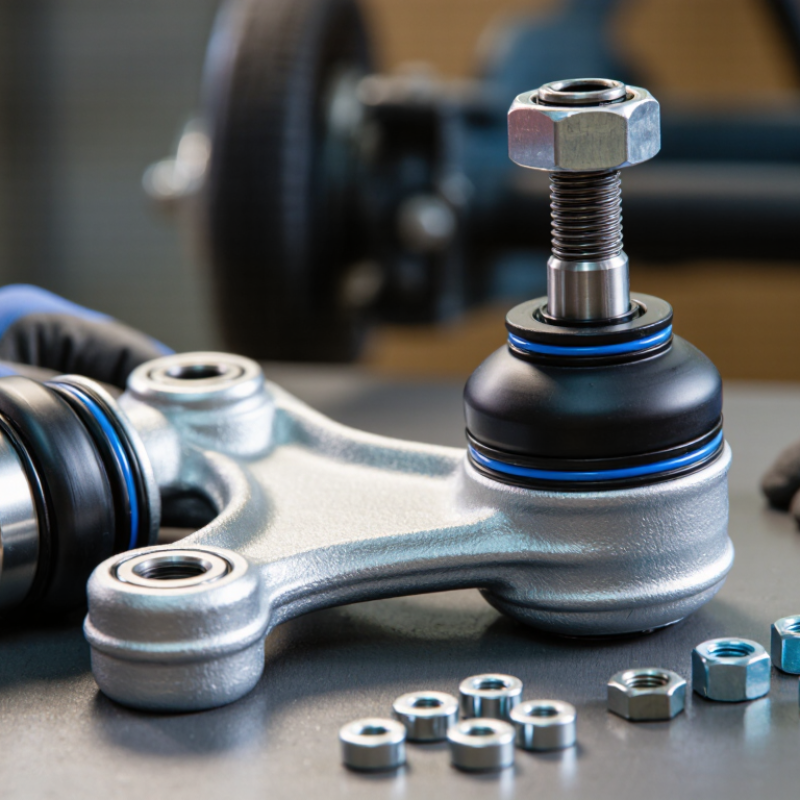
7 Tips for Buying Arm Ball Joints?

Identify the Correct Ball Joint for Your Vehicle

Identifying the correct arm ball joint begins with the vehicle’s exact year, make, model, engine, and trim. Use the VIN when checking a parts catalog, but treat the result as a starting point, not a verdict. Confirm whether you need an upper or lower joint, and whether it fits the left or right side. Easy to overlook. Suspension layouts can differ even within one model year.

Check how the joint attaches: it may press into the control arm, bolt on, or connect through another arrangement. Compare the stud taper, thread size, mounting-hole pattern, and overall dimensions with the vehicle’s specifications. A close visual match is not enough. The wrong taper or fastener can prevent proper installation. Also confirm whether the joint is load-carrying or non-load-carrying; that distinction affects the repair procedure.

If the old part is available, compare its shape and mounting points, but don’t rely on appearance alone. Wear or corrosion can hide details. Check the service manual for torque values and any required replacement hardware, then have a qualified technician verify fitment if the catalog and measurements disagree. I’d pause before ordering when one detail seems off. A small mismatch can mean extra labor, or an unsafe repair.

Compare Joint Types, Materials, and Construction

Arm ball joints differ in fit and construction, so compare the replacement with the vehicle’s service manual, not just its appearance. Press-in joints require the correct bore and installation tool; bolt-on designs need matching flange shape, bolt spacing, and hardware. Some suspension arms use an integrated joint, making the whole arm the replacement. Fit matters.

Material affects how a joint handles load and wear. Forged steel housings are common in heavy-duty designs, while stamped housings can reduce weight and cost. The housing alone tells little: inspect the ball stud, bearing liner, sealing boot, and grease provision together. A sealed joint can keep out grit, but a torn boot quickly changes that equation. Small details count.

S&P Global Mobility reported that the average U.S. light vehicle age reached 12.6 years in 2024. That fleet-age figure is not a ball-joint lifespan estimate; it does underline why repairability and correct fit matter. Compare corrosion protection, boot-clamp security, and whether the joint is serviceable. A polished finish is not proof of better engineering. I would still verify dimensions and fastener specifications before ordering, even when the catalog says the part fits.

Check Fitment, Compatibility, and Product Specifications

7 Tips for Buying Arm Ball Joints?

Check Fitment, Compatibility, and Product Specifications

Before ordering an arm ball joint, match the vehicle’s year, make, model, trim, and engine. Confirm the joint’s position, such as front left or rear right. Suspension packages can change fitment, even within the same model year. A VIN-based catalog check can help, but verify its result against the vehicle’s service information.

Do not rely on appearance alone. A joint may look close and still have the wrong mounting points.

Compare the product specifications with the original part. Check stud taper, thread size, housing dimensions, and mounting-hole spacing. Also review the stated load capacity and any included hardware. Small differences matter.

If measurements are unclear, ask a qualified parts supplier or mechanic before buying rather than guessing. Keep the packaging until fitment is confirmed, where return terms allow.

After installation, have the suspension inspected and wheel alignment checked. Even careful research can miss a prior modification or replacement part; that possibility deserves a second look.

Evaluate Manufacturer Quality, Warranty, and Reviews

7 Tips for Buying Arm Ball Joints?

A ball joint works through repeated steering movement, road impacts, and exposure to water and grit. The Auto Care Association’s 2024 Factbook reports that the average age of U.S. light vehicles reached 12.6 years. That makes durable replacement parts more important, though vehicle age alone cannot predict joint quality. Ask the seller how the joint is tested and whether its fitment details match your vehicle’s year, trim, and suspension setup. Check the boot for a snug seal, even molding, and signs of damage. Small details matter.

Read the warranty before buying. Look for its coverage period, exclusions, and whether labor or only the part is covered. A long warranty sounds reassuring, but difficult claim requirements can limit its value. Reviews are most useful when several buyers describe the same issue, such as early looseness, torn boots, or incorrect fit. Give more weight to detailed reviews that mention mileage and installation conditions than to vague praise. I still find this easy to overlook: a poor installation can resemble a faulty part. Compare feedback with the warranty and technical documentation, and treat a few complaints as clues, not proof.

7 Tips for Buying Arm Ball Joints: Evaluate Manufacturer Quality, Warranty, and Reviews
Tip What to Evaluate Useful Evidence Warning Signs
1 Confirm exact vehicle fitment. Match the part to the vehicle’s year, make, model, trim, and suspension configuration. Check whether the joint is for the upper or lower control arm and whether the application requires a press-in or bolt-in design. Clear application listings, part dimensions or specifications, and fitment confirmation against the vehicle identification number when available. Generic “fits most vehicles” claims, missing application details, or uncertainty about left/right and upper/lower placement.
2 Look for documented quality controls. Assess whether the manufacturer explains how parts are inspected and tested, and whether production follows a documented quality-management system. Specific quality-control information, traceable production details, and verifiable certification claims. A certification applies to a stated scope and does not by itself guarantee the performance of every part. Unsupported claims such as “highest quality” without details about inspection, testing, or manufacturing controls.
3 Review materials and construction. Check the available specifications for the housing, stud, bearing, boot, and surface protection. Design details should suit the vehicle application and expected operating conditions. Published material or design specifications, corrosion-protection information, and a protective boot intended to keep contaminants out and lubricant in. Missing construction information, a damaged or poorly seated boot, or visible corrosion, cracks, or deformation on the part.
4 Check the warranty terms. Compare the coverage period, covered defects, exclusions, proof-of-purchase requirements, and claim process before buying. Written terms that are easy to find and explain how to submit a claim. Confirm whether labor, removal, or installation costs are excluded. Vague verbal assurances, unclear exclusions, or no accessible written warranty policy.
5 Read reviews for recurring patterns. Give more weight to detailed feedback about fit, installation, noise, durability, and customer support than to a star rating alone. Multiple reviews describing specific vehicles and use periods, considered alongside verified-purchase labels and the seller’s response to problems. Repeated reports of incorrect fitment, early looseness, damaged boots, or unresolved warranty claims. A small number of reviews is not conclusive on its own.
6 Verify installation requirements. Check whether special tools, a press, new fasteners, or a specified torque procedure are required. Follow vehicle-service information for the exact application. Installation instructions that identify required hardware and procedures, plus access to vehicle-specific service specifications. Instructions that omit critical steps or suggest guessing torque values. Incorrect installation can affect steering and suspension safety.
7 Compare total value, not price alone. Consider fitment certainty, construction information, warranty coverage, return terms, and the cost of tools or professional installation. A clear parts description, transparent return policy, accessible support, and a price that can be compared on equivalent specifications. A very low price paired with unclear fitment, missing specifications, or restrictive return terms. Avoid assuming that price alone proves quality.

Compare Prices and Plan for Installation Costs

When comparing arm ball joint prices, match the exact part type and vehicle fitment, not just the lowest listing. A joint sold separately may cost less than a complete control arm, but installation needs differ. Check whether the quote includes fasteners, shop supplies, and any required alignment. Ask for parts and labor as separate line items. Small details matter.

Labor can change the total quickly. Request the shop’s estimated hours and hourly rate, then ask whether rust or seized hardware could add time. AAA’s 2024 Your Driving Costs report puts average annual maintenance, repair, and tire expenses at $1,186 for a new vehicle. That figure is not a ball-joint price; it shows why repair budgets need room for more than parts. Compare at least two written estimates for the same work. A cheaper quote may exclude alignment or use a different repair scope. I would not assume every vehicle needs the same procedure. Ask what the mechanic will inspect and why. Keep the old part, if practical. It can help clarify what failed.

Article Source:

We will help turn your vision into reality

Contact Us