Buying a plastic injection molding machine is rarely a simple capacity decision. The wrong choice can leave a factory with unstable cycles, excessive scrap, and an expensive machine sitting idle. A useful starting point is market context. PlasticsEurope reported global plastics production of about 400.3 million tonnes in 2022, showing the scale of demand behind modern processing equipment. Grand View Research also identifies automation, energy efficiency, and electric systems as major forces shaping the injection molding machine market.
Small details matter.
A 250-ton machine may look suitable on paper. However, its shot size, screw design, tie-bar spacing, and mold height must match the actual mold. John P. Beaumont, a respected injection-molding engineer and author of Runner and Gating Design Handbook, states, “The machine, mold, and material must be considered as one system.” That principle should guide every quotation and factory trial.
Energy deserves close attention. The U.S. Department of Energy notes that motor-driven systems represent a significant share of industrial electricity use. An efficient servo-hydraulic or all-electric machine may reduce operating costs, but the purchase price alone proves little. Resin type, cycle time, cooling performance, maintenance skill, and local service support can change the result.
This guide examines seven practical buying considerations, including clamping force, injection capacity, repeatability, controls, energy use, safety, and after-sales support. Some recommendations may seem obvious. They are still easy to overlook. A supplier’s brochure can be polished, yet a short production trial often reveals more than impressive specifications. Measure the part, record the cycle, question the assumptions, and leave room for mistakes before signing the order.
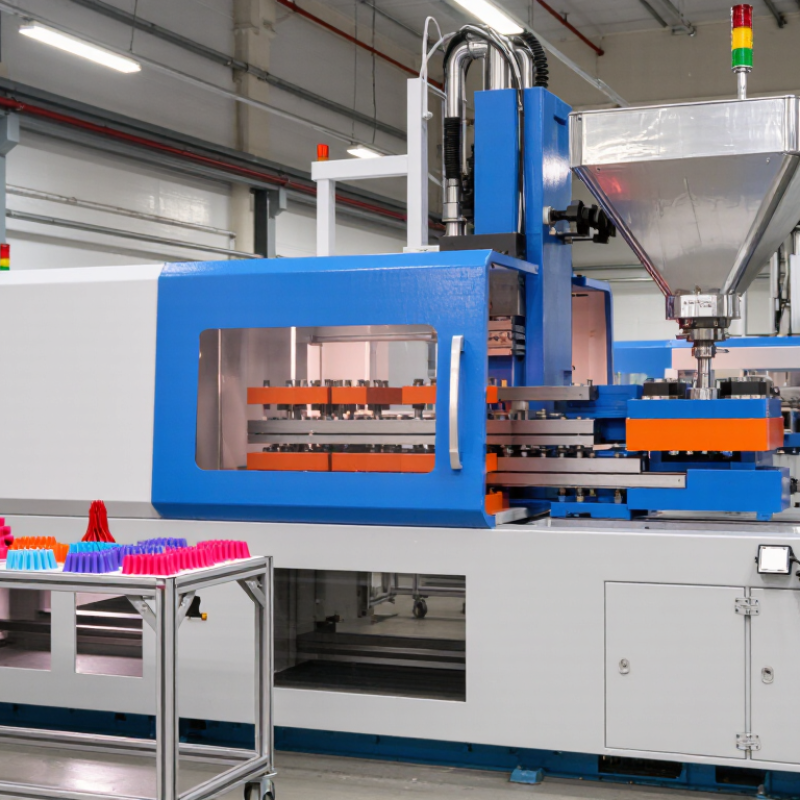
A plastic injection molding machine must match the mold, material, and production target. Clamping force may range from 15 to 5,000 kN, while shot size can range from 1 to 10,000 g. These figures are not interchangeable. A small medical component may need only a compact machine, while a large automotive panel requires far greater force.
Tip 1: Calculate projected area carefully.
Add every cavity, runner, and exposed surface area. Multiply this area by the material’s required pressure. Then include a practical safety margin, usually around 10–20 percent. Too little force can cause flash. Too much force can increase energy use and mold stress.
Tip 2: Select shot size by actual material weight, not catalog capacity alone.
The total shot includes parts, runners, and a controlled cushion. Aim to use roughly 30–80 percent of the machine’s rated shot size. A 10,000 g machine may be unsuitable for a 1 g component. That sounds obvious, yet it happens.
Tip 3: Check the material density and screw design.
Recycled or glass-filled materials may process differently. Confirm injection pressure, screw recovery, mold dimensions, and tie-bar spacing. A machine can meet the kN requirement but still fail the mold-fit test. Leave room for setup errors and future tooling changes. Perfect calculations are rare. Practical verification matters more.
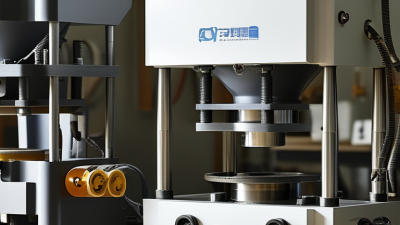
Tip 1: Match the machine to the material’s processing window, not only its label. Common engineering plastics may need barrel zones from 180°C to 400°C. Confirm the supplier’s recommended melt temperature before choosing heaters, sensors, and screw materials. A 400°C setting is useful for demanding polymers, but unnecessary heat can increase degradation and energy use. Keep each barrel zone stable. Small fluctuations can change flow and surface quality.
Tip 2: Treat shrinkage as a design input. Typical molded-part shrinkage may range from 0.5% to 2.5%, depending on resin, geometry, mold temperature, and packing pressure. A long rib, thick corner, or uneven wall can amplify distortion. During trials, measure parts after they cool fully. I once trusted a room-temperature measurement too early; the dimensions changed later. That mistake was avoidable.
Tip 3: Check whether the machine can repeat the process. Ask for temperature uniformity, injection-speed control, pressure monitoring, and suitable drying equipment. Record actual melt temperature, not only the controller display. Run a small material trial with the intended mold and resin. Compare weight, dimensions, warpage, and cycle time. The cheapest machine may become expensive when unstable heating creates rejected parts. Leave room for review, because initial settings are rarely perfect.
When buying a plastic injection molding machine, compare the drive system before comparing the clamp force. Servo-hydraulic designs regulate pump output according to demand. A conventional fixed-pump system may keep circulating oil during cooling, mold opening, or operator pauses. Industry energy audits commonly report 30–70% lower electricity use with servo-hydraulic systems, although actual savings depend on the machine, material, and production cycle.
The U.S. Department of Energy’s Motor Systems Market Assessment identifies motor-driven equipment as a major industrial electricity user. Its guidance also emphasizes matching motor output to real operating demand. For injection molding, this means checking energy data under production conditions, not only the machine’s rated power. EUROMAP 60 measurement guidelines provide a useful framework for comparing specific energy consumption, usually recorded in kilowatt-hours per kilogram.
Ask the supplier for a measured kWh/kg result at your target cycle. Request separate figures for heating, injection, holding pressure, cooling, and idle time. Watch the pressure trace. A stable servo response can reduce unnecessary flow and heat, which may lower chiller demand. The benefit is not always dramatic. Short cycles, high holding pressure, or poor setup can narrow the gap. I would also inspect service records and oil-temperature behavior, because promised savings mean little without reliable maintenance data. A small trial with your mold and resin is more credible than a generic percentage.
When buying a plastic injection molding machine, treat precision as production evidence, not brochure language. A repeatability claim of ±0.01–0.1 mm can sound impressive, yet testing conditions matter. Ask for results using your mold, resin, temperature, and target cycle time. Measure cavity dimensions across multiple shots, not only one sample. Small drift can create flash, short shots, or difficult assembly.
ISO 20430:2020 covers safety requirements for injection molding machines, but it does not guarantee dimensional accuracy. Your team must verify that separately. The Plastics Industry Association’s 2023 Size & Scope report valued U.S. plastics industry shipments at about 541.6 billion dollars in 2022. That scale rewards stable cycles, though industry growth does not prove a machine’s output claims. Compare hourly shots, rejected parts, setup time, and maintenance stops. Utilization between 20% and 80% may be realistic, depending on scheduling and product mix.
A machine producing 80 parts per minute may achieve far less after cooling, material changes, inspections, and mold adjustments. Request production data from comparable molds. Check whether repeatability remains within tolerance after several hours of operation. I would also question unusually perfect numbers. Real factories are messy. Your own trial may reveal that a slower machine delivers better parts and less scrap. Record cycle time, energy use, downtime, and first-pass yield before negotiating.
Buying a plastic injection molding machine requires more than comparing clamping force and purchase price. Audit safety against ISO 20430 and applicable local requirements. Check guards, interlocks, emergency stops, access doors, and control-system responses. Test these features during a witnessed inspection. Do not rely only on certificates. A missing safety record matters.
Inspect the ownership history closely. Request maintenance logs, service invoices, cycle counts, and records of hydraulic or electrical repairs. A machine advertised as “lightly used” may have worked continuous night shifts. Examine the platens, tie bars, screws, barrels, and oil lines for wear or leakage. Ask whether replacement parts remain available. Small delays can become expensive production stoppages.
Estimate a realistic 5–15-year service life, not a hopeful number. Maintenance quality, resin type, cycle speed, and operator habits change that result. Build a payback model using purchase cost, installation, tooling, energy, labor, maintenance, scrap, and financing. Divide total investment by expected annual net cash benefit. Include downtime. A spreadsheet can look convincing and still lie. I have seen buyers ignore mold changes and setup labor. That mistake weakened the forecast. Test the calculation with low-volume and high-maintenance scenarios. Leave room for training, safety upgrades, and unexpected repairs. An older machine may offer value, but only when its risks are measurable.