Why is Structural Foam Considered a Superior Material?
Structural foam has gained recognition as a superior material in various industries. According to Dr. Emily Carson, an expert in polymer science, "The advantages of structural foam are transformative for product design." Its unique properties provide lightweight yet strong solutions.
This material excels in insulation, durability, and manufacturing efficiency. For example, it can be molded into complex shapes while maintaining its structural integrity. However, some challenges still exist in its application. Not all manufacturers are equipped to handle structural foam effectively.
While the benefits are significant, improper use can lead to issues. It's essential to understand the material's properties thoroughly. The decision to use structural foam should involve careful consideration of design requirements and production capabilities. This approach helps to maximize its advantages while minimizing potential drawbacks.
Definition and Composition of Structural Foam
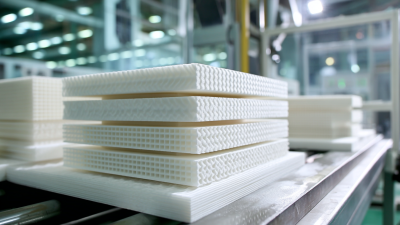
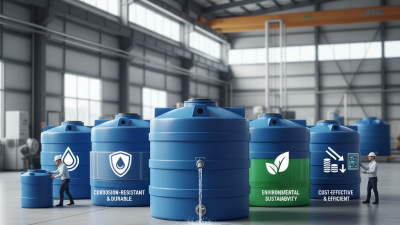
Structural foam is a unique material known for its strength-to-weight ratio. It combines a solid outer layer with a lightweight core, creating a resilient structure. This design allows for both flexibility and durability in various applications. The core typically consists of a foam material, which contributes to insulation and shock absorption. This makes it ideal for industries requiring both lightweight and sturdy solutions.
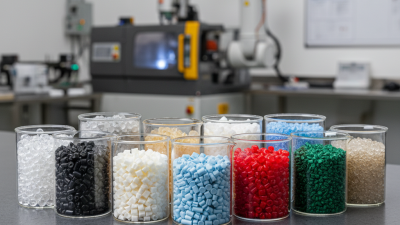
The composition of structural foam usually includes thermoplastics or thermosetting polymers. These materials provide excellent resistance to chemicals and moisture. The outer shell is often created through injection molding or extrusion processes. This ensures a smooth finish and high precision in shape. The manufacturing methods can vary, impacting the final properties of the foam. Sometimes, achieving the right balance can be challenging, leading to inconsistencies in strength.
Moreover, the environmental impact of production is a concern. While structural foam can be recycled, not all types are easy to process. Selecting the right materials requires careful thought. Sometimes, it may not be clear which options are the most sustainable. It’s important to weigh the pros and cons when choosing structural foam for a project.
Why is Structural Foam Considered a Superior Material? - Definition and Composition of Structural Foam
| Property |
Structural Foam |
Comparison (Traditional Materials) |
| Density |
Low (0.5 - 1.0 g/cm³) |
Higher (1.2 - 2.0 g/cm³) |
| Strength-to-Weight Ratio |
Excellent |
Average |
| Thermal Insulation |
High |
Moderate |
| Impact Resistance |
Superior |
Lower |
| Moisture Resistance |
Excellent |
Limited |
| Production Cost |
Cost-Effective |
Higher Costs |
Advantages of Structural Foam Over Traditional Materials
Structural foam offers a range of advantages that set it apart from traditional materials like wood and metal. Firstly, its exceptional strength-to-weight ratio makes it a suitable choice for numerous applications. According to a study by the Material Research Society, structural foam can be up to 70% lighter than some metals yet maintain comparable strength. This reduction in weight leads to lower transportation costs and improved energy efficiency during use.
Moreover, structural foam exhibits superior thermal insulation properties. Research from a leading polymer institute indicates that its insulating capabilities can be five times better than conventional materials. This characteristic is vital in reducing energy consumption in buildings. The material also boasts excellent resistance to chemicals and moisture. However, while its benefits are significant, it may not be the right choice for all applications. Its performance in extreme environments can vary and requires careful consideration.
Additionally, structural foam’s production involves complex methods, which may lead to inconsistencies. Some manufacturers report challenges in maintaining uniform thickness. It's essential to evaluate the specific requirements of any project thoroughly. Even with its advantages, a one-size-fits-all approach is risky in material selection.
Advantages of Structural Foam Over Traditional Materials
Applications of Structural Foam in Various Industries
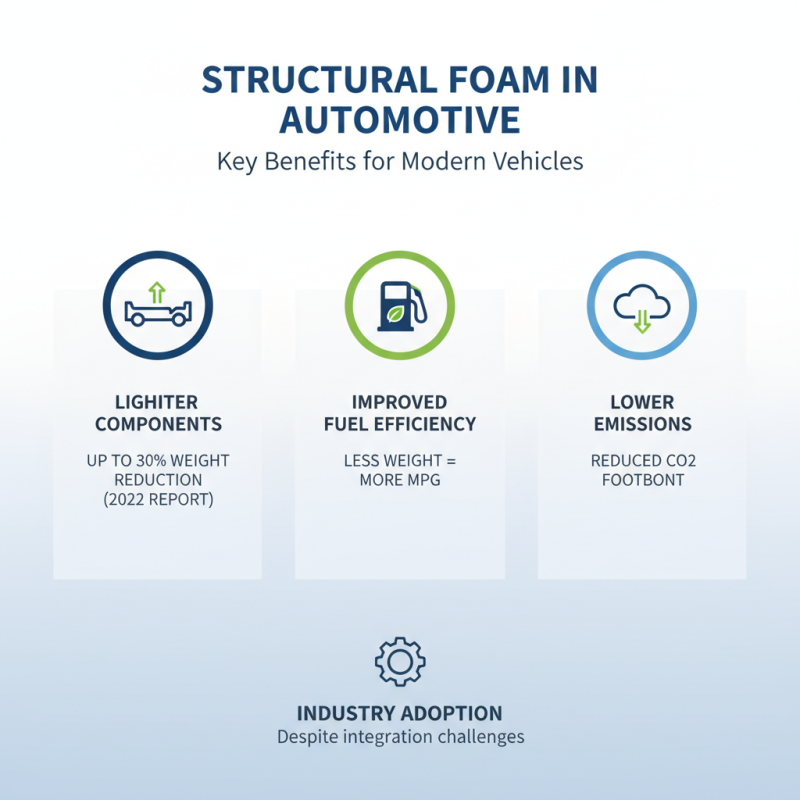
Structural foam is gaining traction in various industries due to its unique properties. In automotive manufacturing, it is used for lightweight components. According to a 2022 industry report, structural foam can reduce weight by up to 30%. This leads to improved fuel efficiency. Less weight means lower emissions. Many manufacturers are turning to this material, despite the challenges of integrating new technologies.
In construction, structural foam panels offer excellent thermal insulation. These panels are also resistant to moisture and pests. A recent study highlighted that these properties can lead to energy savings of approximately 25% in buildings. However, manufacturers struggle with consistency in density. This inconsistency can affect overall strength and durability. Finding a balance is crucial for better performance.
Moreover, the aerospace sector is exploring structural foam for interior components. Its lightweight nature can enhance fuel efficiency in airplanes. Yet, the high cost of production remains a barrier. Some manufacturers hesitate to invest heavily without proven long-term benefits. Continued research and development are vital in addressing these concerns.
Manufacturing Processes for Structural Foam Products
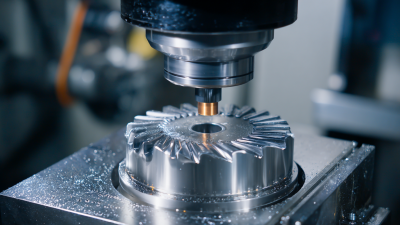
Structural foam products are made using innovative manufacturing processes. These techniques allow for lightweight designs while maintaining strength. A common method is injection molding. This process injects foam material into a mold. Expansion occurs, creating a solid structure. The result is a product that is both durable and efficient.
Another effective method is thermoforming. This technique involves heating a flat sheet of foam until it becomes pliable. Once heated, it is shaped into the desired form. This method can produce intricate designs with great precision. However, the heating process can sometimes yield inconsistent thickness, which might affect quality.
Additionally, rotational molding is also an option. This process involves rotating a mold filled with foam material. As the mold turns, the foam coats the interior surface. The challenge here is achieving uniform coating and thickness. Production can result in varying quality if not monitored closely. Each of these processes presents unique advantages and hurdles in creating superior structural foam products.