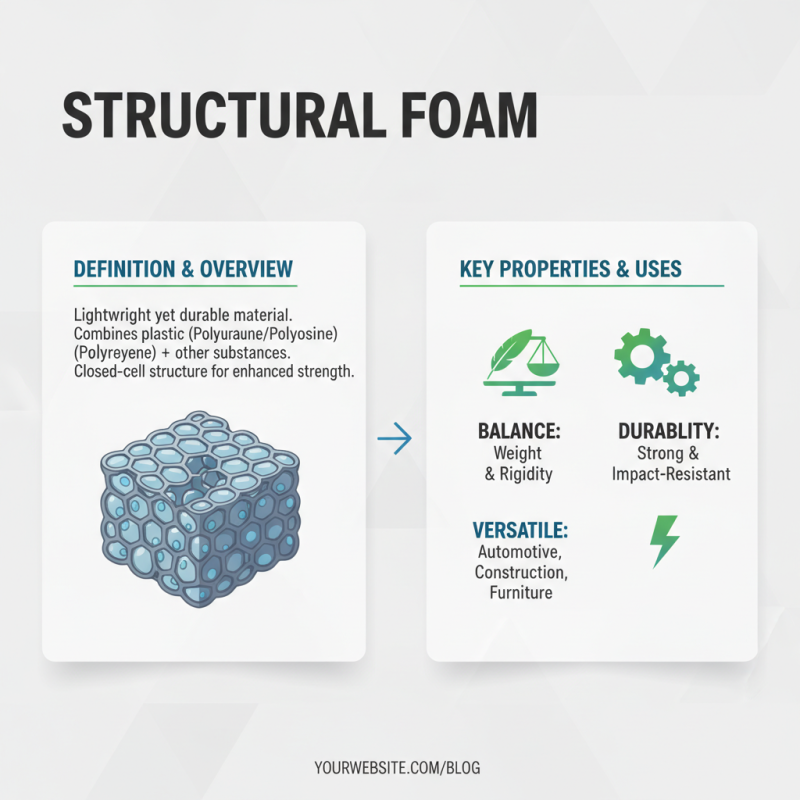
Structural foam is a versatile material that has gained popularity in various industries. It is a lightweight, durable option known for its excellent insulating properties. Buyers across the globe are increasingly recognizing its value in applications ranging from automotive to construction.
This material provides significant benefits. Its strength-to-weight ratio makes structural foam ideal for reducing transportation costs. Additionally, it offers superior resistance to impact and environmental factors. These qualities appeal to manufacturers seeking quality products with lower overhead.
However, challenges exist. Not all suppliers offer the same consistency in quality. Sourcing structural foam from reputable manufacturers is crucial for ensuring reliability. Global buyers should conduct thorough research to avoid potential pitfalls. Understanding the nuances of this material can lead to better business decisions.
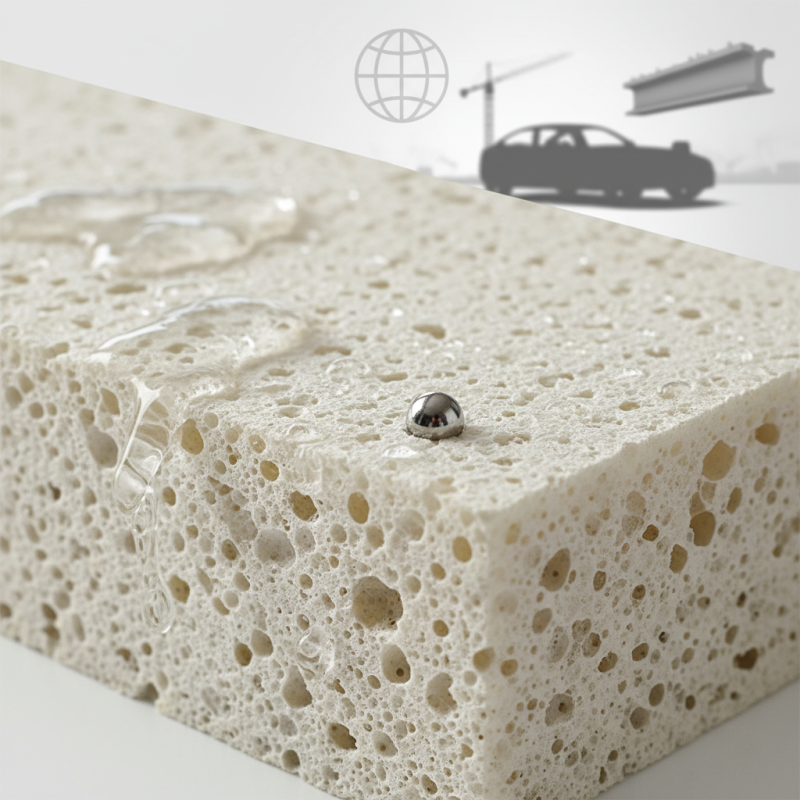
Structural foam is a unique type of material that combines plastic and other substances to create a lightweight, yet durable product. Typically made from polyurethane or polystyrene, it features a closed-cell structure that enhances its strength. This structure provides an excellent balance between weight and rigidity, making it an ideal choice for various applications.
One of the key benefits of structural foam is its versatility. It is used in industries ranging from automotive to construction. For example, it can be molded into complex shapes, allowing manufacturers to create customized parts easily. Additionally, the material offers excellent insulation properties, which can be crucial in energy-saving applications.
Despite these advantages, there are challenges to consider. Not all structural foams are created equal, and the choice of foam can impact performance. Buyers need to evaluate factors like density, strength, and environmental impact. It is essential to conduct thorough research before selecting a supplier or product. Understanding these nuances can make a significant difference in achieving desired results.
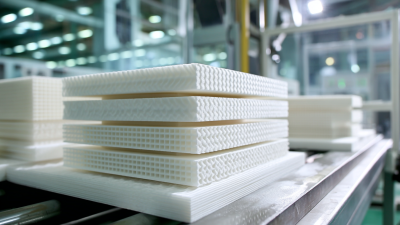
Structural foam is a lightweight, robust material used in various industries. Its unique properties stem from the combination of a polymer matrix and air-filled cells. This composition results in excellent strength-to-weight ratios. Additionally, structural foam is resistant to impact and thermal fluctuations, making it suitable for demanding applications.
The manufacturing process of structural foam involves specific techniques. One common method is the reaction injection molding (RIM). In this process, liquid polyol and isocyanate react to form a foam as they are injected into a mold. This allows for intricate designs and shapes. Another approach is extrusion, creating continuous sheets or parts with uniform thickness. These methods offer flexibility in production and can address diverse project needs.
While structural foam has many advantages, challenges may arise. Quality control during production can be difficult due to variations in raw materials. Further, the environmental impact of certain foams can evoke concerns. Each buyer should consider these factors carefully to ensure they make informed decisions about their material choices.
Structural foam is gaining traction across various industries due to its unique properties. This lightweight material combines polymers with a foaming agent. The result? A strong, durable product with remarkable insulation and impact resistance. Manufacturers benefit from reduced costs and enhanced performance in their products.
In transportation, structural foam is vital. It offers high strength-to-weight ratios, helping reduce fuel consumption. The automotive industry uses it for dashboards and body panels. These components need to withstand impacts while remaining lightweight. This helps in improving overall vehicle efficiency.
**Tip:** When choosing structural foam, consider your specific application's requirements. Not all foams are created equal.
In construction, structural foam plays a crucial role too. It provides excellent thermal insulation, which can decrease energy costs. Moreover, it resists moisture and is less prone to mold growth. This makes it ideal for use in various building materials.
**Tip:** Test different types of structural foam to see which best meets your performance needs. Some foams fall short under specific conditions.
Understanding the benefits of structural foam allows global buyers to make informed choices. Its versatility across several sectors showcases its potential for innovation and cost savings.
| Industry | Advantages of Structural Foam | Applications | Environmental Impact |
|---|---|---|---|
| Automotive | Lightweight, increased fuel efficiency, improved safety | Bumpers, interior panels, structural components | Recyclable materials reduce landfill waste |
| Construction | High insulation values, durability, moisture resistance | Wall panels, roofing, flooring | Lower energy consumption in buildings |
| Packaging | Impact resistance, lightweight, customizable | Protective packaging, shipping containers | Reduced packaging waste through reuse |
| Aerospace | High strength-to-weight ratio, improved performance | Aircraft interiors, fuselage components | Lower carbon footprint due to fuel efficiency |
| Marine | Corrosion resistant, buoyant, lightweight | Boat hulls, structural components | Sustainable materials reduce environmental impact |
Structural foam has gained traction across various global markets due to its versatility and performance. This lightweight material is often utilized in industries like automotive, aerospace, and construction.
In automotive manufacturing, structural foam provides a sturdy yet lightweight alternative for body panels. This enhances fuel efficiency and reduces overall weight without compromising safety.
In the aerospace sector, structural foam is used to create components that require high strength-to-weight ratios. It finds applications in interior parts and cargo storage systems. Furthermore, in construction, structural foam serves as insulation, improving energy efficiency in buildings.
While structural foam offers numerous advantages, some challenges persist. Not all foam types are recyclable, which raises environmental concerns. Additionally, sourcing quality foam can be inconsistent, leading to variability in product performance. Buyers must stay informed about the latest advancements and trends to make the best choices. Understanding these nuances is essential for a successful investment in structural foam products.
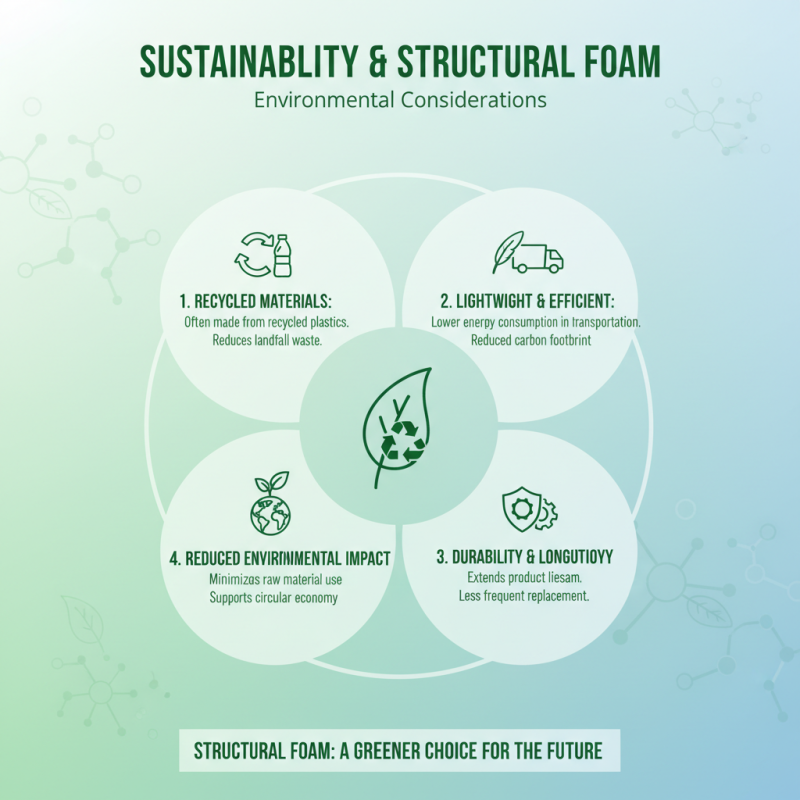
Structural foam has gained significant attention in discussions about sustainability. This material is often produced from recycled plastics and helps reduce waste. The lightweight nature of structural foam means lower energy use during transportation. Its durability can also extend the lifecycle of products, minimizing the environmental impact.
However, it's important to consider the full lifecycle of structural foam. While its production might utilize recycled materials, the initial sourcing and manufacturing processes may still leave a carbon footprint. Not all structural foams are created equal; some might not be as eco-friendly as marketed. Transparency from manufacturers is crucial for global buyers aiming for truly sustainable options.
Furthermore, the recycling of end-of-life structural foam presents challenges. Not all facilities are equipped to handle it, leading to potential waste. Buyers should seek products with clear recycling pathways. Engaging with suppliers who prioritize environmental responsibility fosters a more sustainable future.