Why is Plastic Injection Molding Essential for Modern Manufacturing?
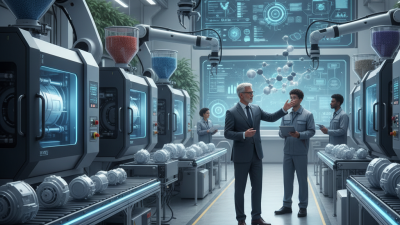
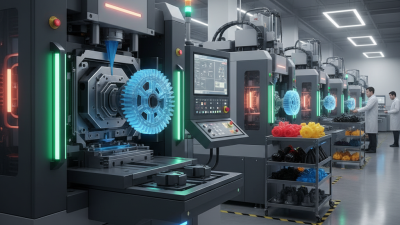
Plastic injection molding is vital in today’s manufacturing landscape. This process enables efficient production of intricate designs at lower costs. According to a report by MarketsandMarkets, the plastic injection molding market is projected to reach $414.3 billion by 2026. This growth highlights its importance in multiple industries, including automotive, consumer goods, and electronics.
John Smith, a recognized expert in the field, once stated, "Plastic injection molding is the backbone of modern manufacturing." His insight reflects how this technique drives innovation. Industries rely on it for producing robust components quickly. Companies increasingly choose plastic injection molding for its precision and scalability. It allows for the rapid creation of prototypes and parts, streamlining production processes.
However, the industry is not without challenges. Environmental concerns about plastic waste pose a dilemma. Addressing sustainability is crucial for the future of plastic injection molding. Manufacturers must innovate to balance efficiency with eco-friendliness. The way forward requires reflection and adaptation to consumer demands and regulatory standards. This evolving landscape makes continued exploration and development in plastic injection molding essential.
The Basics of Plastic Injection Molding in Manufacturing
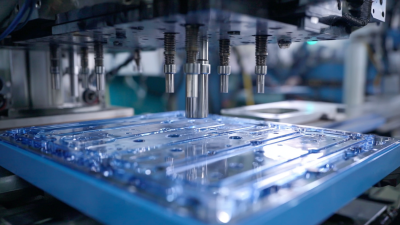
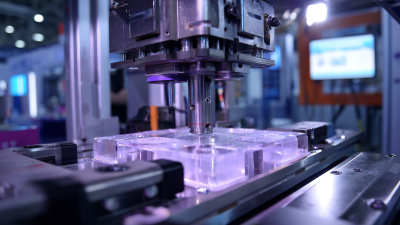
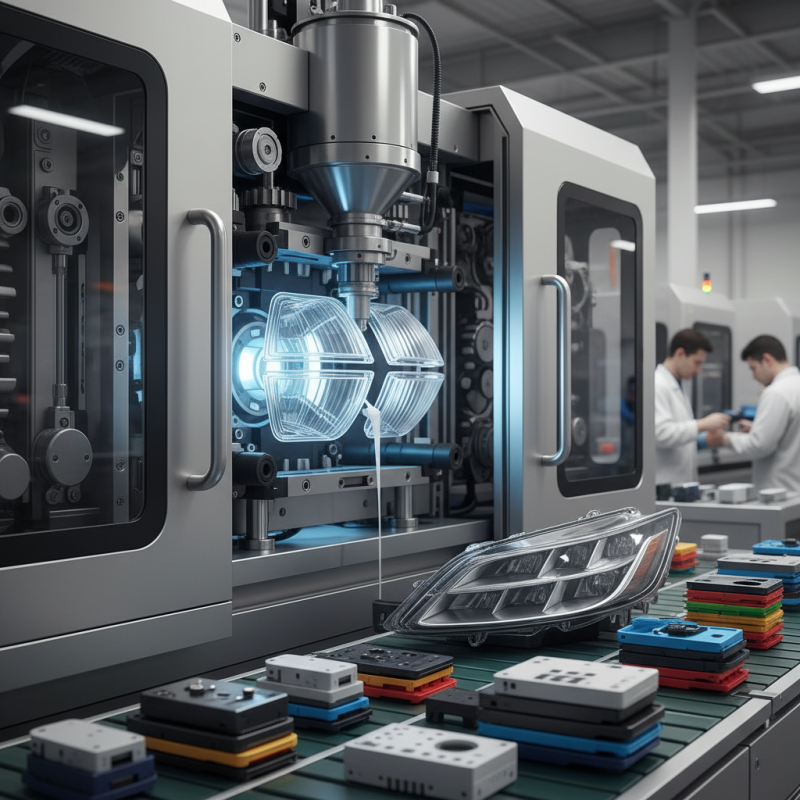
Plastic injection molding is a vital process in modern manufacturing. It allows for the mass production of complex shapes with high precision. The basic principles involve melting plastic pellets and injecting the molten plastic into a mold. Once cooled, the mold opens to release the finished product. This technique is widely used for toys, automotive parts, and household items.
When utilizing plastic injection molding, it's essential to consider the design of the mold. A well-designed mold reduces production time and costs. Small details can significantly impact the final product’s quality. Miscalculations in the mold design can lead to defects. Adjustments may be necessary even after the process has started, which can lead to delays.
Tips for successful plastic injection molding:
1. Optimize your material choice for durability and cost-efficiency.
2. Collaborate with experienced designers to improve mold design.
3. Regularly inspect molds to prevent wear and defects from affecting production.
Achieving consistency in injection molding requires constant reflection on processes. Manufacturers may face challenges in meeting production goals due to unexpected material behavior. Adjusting parameters often leads to better outcomes, but it can also introduce variability. Continuous learning and adaptation are crucial for success.
Plastic Injection Molding Usage in Various Industries
Key Advantages of Plastic Injection Molding for High-Volume Production
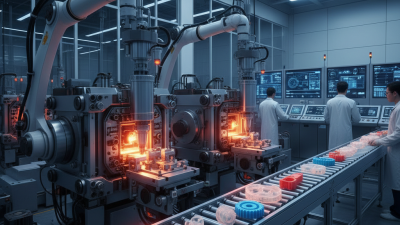
Plastic injection molding has become a cornerstone of high-volume production in modern manufacturing. Its efficiency is unmatched. This process allows for precision manufacturing of complex shapes. Manufacturers can produce thousands of identical parts quickly. The rapid cycle times reduce overall production costs significantly. This affordability is vital for companies aiming for high profits.
Another advantage is the versatility of materials. Injection molding accommodates various plastics, including thermoplastics and thermosets. This flexibility enables manufacturers to tailor products according to specific needs. However, not every product is ideal for injection molding. Some designs may require tweaking to benefit fully from the process.
Quality control is also a critical factor. The process ensures consistency across batches, which is essential for maintaining standards. Mistakes can occur, impacting production efficiency. It’s vital to continuously assess the molds used. Regular maintenance and adjustments can enhance longevity. This reflection ensures that the benefits of injection molding are maximized, allowing companies to stay competitive.
How Plastic Injection Molding Contributes to Design Flexibility
Plastic injection molding is a key process in modern manufacturing due to its significant contributions to design flexibility. This technique allows for the creation of complex shapes with high precision. Designers can experiment with intricate geometries that were once difficult or even impossible to achieve. The ability to produce detailed parts efficiently is crucial for meeting diverse consumer demands in various industries.
One of the advantages of plastic injection molding is its adaptability. Designers can easily adjust the design based on consumer feedback or emerging trends. This responsiveness fosters innovation but may lead to frequent revisions. Balancing creativity with practicality is important. Rapid changes can result in increased costs and time delays. Designers should assess the implications of altering designs before making changes.
Tip: Always prototype before mass production. This step helps identify potential issues early. Testing materials and forms can save time and resources later on. Collaborate closely with manufacturing engineers to ensure feasibility. Consider the entire lifecycle of the product, including end-user needs. Striking the right balance between flexibility and efficiency is essential for successful designs.
The Role of Materials in Plastic Injection Molding Processes
Plastic injection molding relies heavily on materials. The choice of materials directly impacts the quality and durability of the final product. Common materials include thermoplastics and thermosets, each offering distinct advantages. For instance, thermoplastics can be reprocessed, while thermosets provide superior heat resistance. Understanding these differences is crucial for manufacturers aiming for efficiency.
Additionally, the material's flow characteristics influence the molding process. Materials need to have the right viscosity for smooth flow into molds. If not, defects can occur. This leads to increased costs and time spent on rework. Manufacturers often need to balance material cost with performance. Sometimes, cheaper materials lead to compromised quality.
Manufacturers should regularly assess their material choices. It’s not just about price; it’s about performance and sustainability. The industry is evolving, and so are material technologies. Recycling and bioplastics are becoming more popular. Yet, these alternatives can present new challenges. The complexity of material selection necessitates expertise and ongoing evaluation.
Future Innovations in Plastic Injection Molding Technology
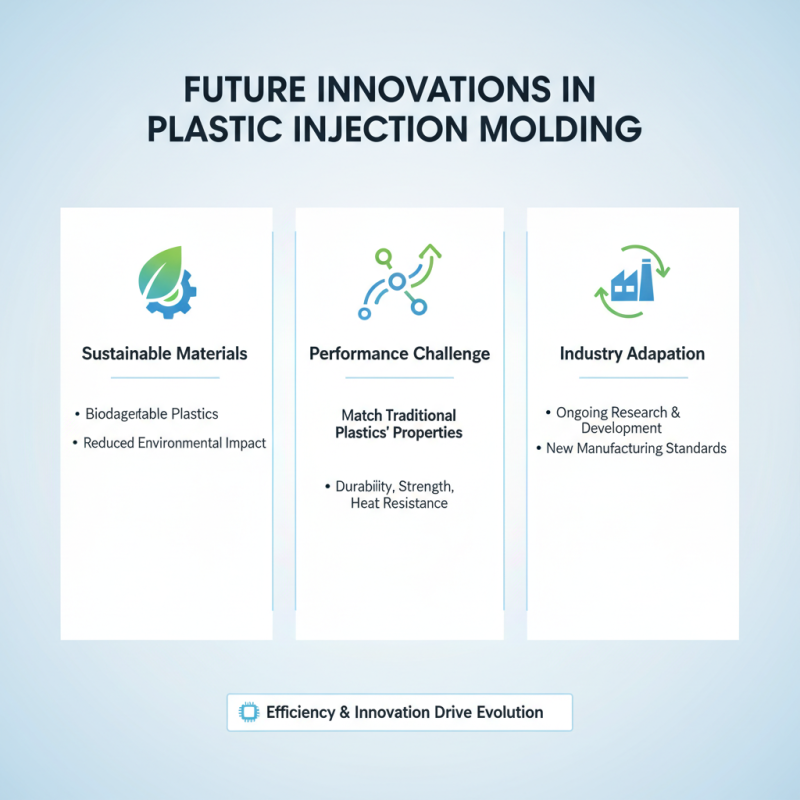
Plastic injection molding continues to evolve, driven by innovation and the need for efficiency. One promising area is the use of sustainable materials. Biodegradable plastics can reduce environmental impact. The challenge lies in ensuring these materials perform like traditional plastics. Research is ongoing, and manufacturers must adapt to new standards.
Another exciting development is automation. Advanced robotics can speed up the production process. They enhance precision, reducing material waste. However, this shift raises concerns about job displacement. The industry needs to balance technology integration with workforce training. Finding skilled workers is essential for a smooth transition.
3D printing also integrates with traditional molding processes. It allows for rapid prototyping and design flexibility. Yet, melding these technologies requires careful planning. Companies must assess costs and potential design limitations. Even with technological advancements, imperfections exist. Manufacturers face ongoing hurdles in achieving ideal production efficiencies. Embracing innovation while addressing these issues is crucial for the future.