Muscovite Mica Uses and Benefits You Should Know About?
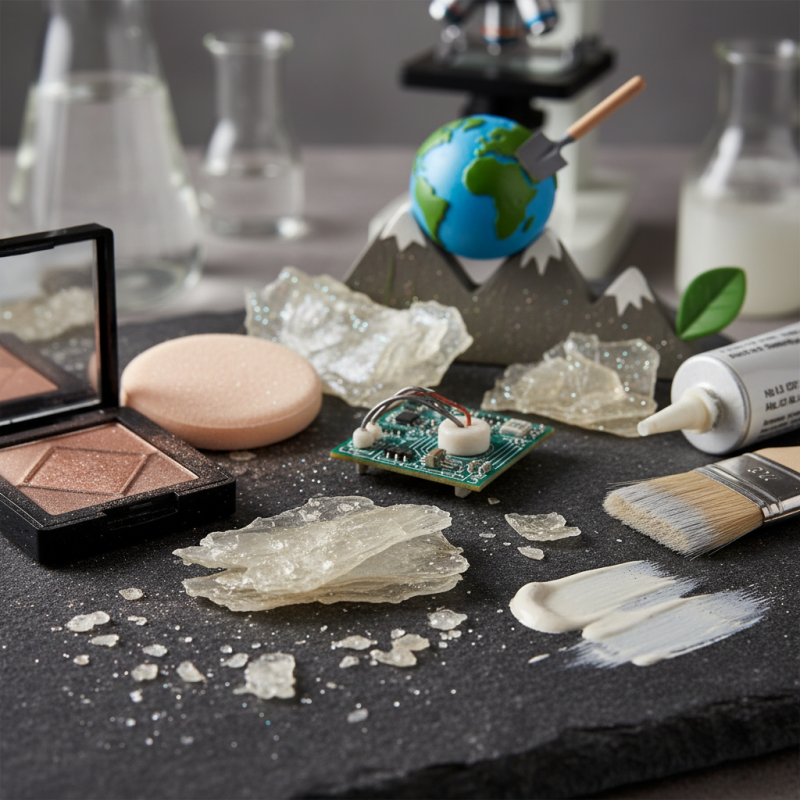
muscovite mica is a fascinating mineral with diverse applications. Its unique properties make it valuable in many industries. This mineral has layered structures that offer excellent insulation and heat resistance. These features are especially beneficial in electrical and thermal applications.
In cosmetics, muscovite mica adds shimmer and texture. It enhances the appearance of products like eyeshadows and foundations. However, some might question the sourcing of muscovite mica. Ethical practices in mining are crucial for sustainability. Awareness of these issues needs to grow.
In construction, muscovite mica is used as a filler in paints and sealants. It improves durability and stability. Despite its benefits, users should be mindful of the potential environmental impact. Understanding both advantages and drawbacks is essential for informed decisions.
Muscovite Mica: An Overview of Its Natural Formation and Characteristics
Muscovite mica is a fascinating mineral known for its unique characteristics. This silicate mineral forms through the gradual cooling of magma, often found in igneous and metamorphic rocks. Its natural formation occurs deep within the Earth, under high-pressure conditions. The result is a beautifully layered structure, giving muscovite its distinct appearance.
The layers of muscovite mica are flexible yet strong. This flexibility allows it to be split into thin sheets. These sheets have a shiny, reflective quality, often used in various applications. Many artisans value muscovite in their craft. The mineral can enhance beauty products and art supplies. Its ability to reflect light adds a unique touch.
However, the sourcing of muscovite mica raises questions. The extraction process can impact the environment. Some areas face ecological disruptions. It’s crucial to reflect on sustainable sourcing practices. Awareness about the origins of this mineral can lead to ethical choices. As we admire muscovite, let’s consider our responsibility toward nature.
Muscovite Mica Uses and Benefits
| Use/Benefit | Description | Applications |
| Cosmetics | Provides natural shimmer and coverage, enhancing appearance. | Found in makeup, lotions, and skincare products. |
| Electrical Insulation | Has excellent insulating properties, preventing electrical conduction. | Used in capacitors and electrical components. |
| Construction | Improves the durability and resilience of building materials. | Used in paints, plaster, and roofing materials. |
| Thermal Insulation | Offers resistance to heat, making it effective for insulation. | Used in insulation products and fireproofing materials. |
| Separation and Filtration | Acts as a filter medium due to its unique layering properties. | Used in water and air filtration systems. |
Common Applications of Muscovite Mica in Various Industries
Muscovite mica is widely used across various industries due to its unique properties. It is thermal resistant, electrically insulating, and exceptionally flexible. These characteristics make muscovite mica ideal for electronics, cosmetics, and construction. In electronics, it is often used as a dielectric material. The global mica market was valued at approximately $538 million in 2020 and is projected to grow significantly by 2026.
In the cosmetics industry, muscovite mica adds shimmer to products like eyeshadows and highlighters. Its natural origin appeals to consumers seeking clean beauty. Additionally, muscovite is known for its light-reflective qualities, enhancing the appearance of skin products. According to a market report, the demand for natural mica in cosmetics is anticipated to increase by 7% annually.
Tips: When choosing muscovite mica, consider the size of the particles. Finer particles create a smoother finish, while coarser particles produce a bolder look. It’s essential to source your mica responsibly, as sustainability issues arise from mining practices. Always verify supplier claims and seek ethically sourced materials.
The Benefits of Using Muscovite Mica in Cosmetics and Skincare Products
Muscovite mica is a versatile mineral commonly used in cosmetics and skincare products. Its unique properties make it a popular choice for enhancing appearance. With a natural shimmer, muscovite mica delivers a radiant finish. It can effectively reflect light, providing a luminous look to skin when used in makeup.
In skincare, muscovite mica offers benefits beyond aesthetics. It can help improve skin texture. Its soft, silky feel enhances formulations for a smoother application. According to recent industry reports, the global mica market will reach over $1 billion by 2026. This growth suggests a rising demand for natural ingredients in beauty products.
Tips: When choosing products, look for those that highlight muscovite mica on the label. Not all micas are created equal. Some may have impurities that could irritate the skin. It’s wise to patch test new products to avoid negative reactions.
The use of muscovite mica may come with some concerns. For instance, sourcing practices can affect local communities. Ethical sourcing is vital to ensure that benefits are shared fairly. As products evolve, consumers must stay informed. The right knowledge helps navigate choices more mindfully.
Muscovite Mica in Construction: Enhancing Materials with Unique Properties
Muscovite mica is gaining attention in the construction industry. Its unique properties enhance building materials, making them more durable and efficient. According to a 2022 industry report, muscovite mica can improve thermal insulation by 25%. This is crucial in reducing energy costs for heating and cooling.
Incorporating muscovite mica into concrete blends can also boost strength. Studies reveal that it increases compressive strength by an average of 15%. This enhancement is vital for structures exposed to harsh weather conditions. However, not all construction projects have realized these benefits. Many still overlook the potential of mica for reinforcing other materials.
Air pollution is another concern. Dust and emissions from mining can impact communities near extraction sites. Responsible sourcing of muscovite mica is essential. Sustainable practices must be prioritized to minimize environmental harm. Awareness and transparency in the supply chain will ensure that benefits do not come at a cost to the planet.
Muscovite Mica Applications in Construction
Sustainability and Environmental Impact of Mica Mining Practices
Mica mining significantly impacts the environment. Most mica comes from India, where mining practices can be harmful. Reports indicate that over 20,000 children work in mica extraction. This raises ethical concerns. Environmental degradation is evident, with forests cut down for mining sites. Ecosystems suffer, and biodiversity declines.
The extraction process often involves harmful chemicals. Water sources can become contaminated. Sustainable practices are crucial. Efforts to improve conditions have emerged. Some organizations aim to promote fair trade mica. Transparency in the supply chain must improve. Records show that more than 90% of mica is unregulated. This fact highlights the need for stricter oversight.
Education and community support are vital. Local populations need alternative livelihoods. By investing in sustainable mining, the industry can reduce its footprint. Awareness is growing, but challenges remain. A balanced approach is necessary for a healthier environment. The future of mica mining depends on responsible practices.