What is a medical air purifier and how does it work?
As air quality continues to deteriorate, the role of a medical air purifier becomes increasingly essential. Studies show that indoor air can be five times more polluted than outdoor air. A medical air purifier addresses these issues by utilizing advanced filtration systems to eliminate harmful particles. The World Health Organization reports that 7 million people die each year due to air pollution-related diseases. This alarming statistic highlights the need for effective solutions.
medical air purifiers are designed for healthcare settings, where air quality is paramount. They often include HEPA filters and UV light technology to capture viruses and bacteria. An industry report from Research and Markets indicates that the global medical air purifier market is projected to reach $4.5 billion by 2027, emphasizing its growing significance. Yet, not all air purifiers deliver the same results. Some may overpromise on efficiency and effectiveness, leaving users disappointed.
In a world where health risks are ever-present, understanding how a medical air purifier works is crucial. It’s a blend of technology and necessity, but it’s not without its imperfections. Awareness of these shortcomings can help individuals make informed choices.
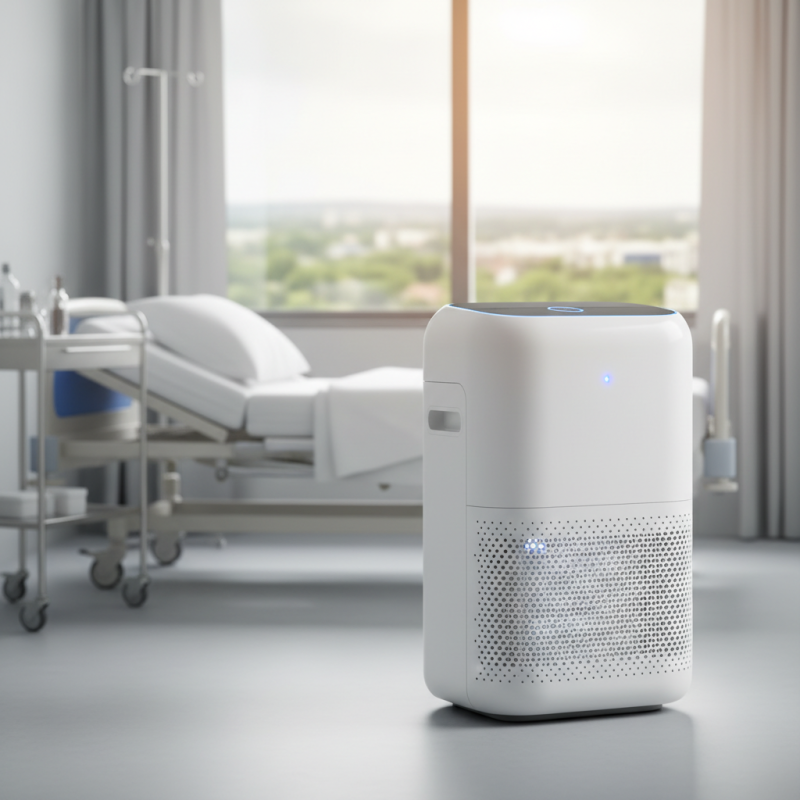
What is a Medical Air Purifier?
Medical air purifiers are advanced devices designed to enhance indoor air quality in medical settings. They effectively reduce airborne contaminants, including bacteria and viruses. According to the US Environmental Protection Agency (EPA), air pollution in healthcare facilities can significantly impact patient outcomes. Medical air purifiers help by filtering out particles as small as 0.1 microns. This includes pathogens that can exacerbate illness.
These devices typically use high-efficiency particulate air (HEPA) filters, which capture 99.97% of particles. Studies show that hospitals using air purifiers report a decrease in hospital-acquired infections. The World Health Organization (WHO) supports this, citing clean air as vital for health and recovery. However, not all medical air purifiers are created equal. Some may fall short in effectiveness or maintenance.
In busy environments like clinics or hospitals, air purifiers are essential. Yet, the implementation can vary widely. Not all facilities provide adequate training for staff on effective use. Additionally, improper placement can reduce their efficiency. Many users don't realize air purifiers also need regular filter changes. Overlooking maintenance can lead to poor air quality, negating the purifier's benefits.
Key Features of Medical Air Purifiers
Medical air purifiers play a crucial role in maintaining air quality, particularly in healthcare settings. They are designed to filter out harmful particles, pathogens, and allergens from the air. One key feature is the HEPA filter, which can remove 99.97% of particles as small as 0.3 microns. This efficiency is critical for protecting vulnerable patients.
Another important aspect is the active filtration system. This system uses UV-C light to neutralize bacteria and viruses, further ensuring clean air. Reports indicate that environments using these purifiers see reduced infection rates. For example, hospitals that installed air purifiers noted a 30% drop in airborne bacteria levels.
Moreover, the noise level often concerns users. Some air purifiers can be quite loud, affecting patient comfort. The balance between effectiveness and noise is something worth evaluating. There’s also the question of maintenance; filters need regular changing to sustain efficiency. So, hospital staff should consider ease of use in their selection process. These factors are vital for improving patient outcomes while ensuring a serene healing environment.
How Do Medical Air Purifiers Work?
Medical air purifiers are designed to improve indoor air quality, particularly in healthcare environments. They utilize advanced filtration technologies to remove harmful particles. These include dust, pollen, and microorganisms. According to a study published in the Journal of Clinical Allergy, air purifiers can reduce the prevalence of airborne pathogens by up to 98%. This highlights their effectiveness in hospitals and clinics.
The functioning of medical air purifiers involves multiple filtration stages. The first stage often utilizes pre-filters to capture larger particles. This is followed by HEPA filters, which can trap 99.97% of particles down to 0.3 microns. Some models include UV-C light to kill bacteria and viruses. However, not all purifiers effectively integrate these technologies. A report from the American Thoracic Society indicates that while many devices claim high efficiency, only a few perform reliably at scale.
Despite their potential benefits, it's vital to question their limitations. Some air purifiers produce ozone, which can be harmful at high levels. Additionally, not every room will benefit equally from purification. Factors like room size and ventilation matter. Effective use of these devices requires a clear understanding of their capabilities and shortcomings, ensuring users make informed choices.
Applications and Benefits of Medical Air Purifiers
Medical air purifiers play a crucial role in various settings like hospitals and clinics. They are designed to reduce airborne contaminants. According to the World Health Organization, poor air quality can lead to numerous health issues, including respiratory diseases. Medical air purifiers can filter out up to 99.97% of particles as small as 0.3 microns. This capability significantly improves indoor air quality.
In healthcare applications, these devices target airborne pathogens and allergens. A study found that hospitals using advanced air purification systems saw a decrease in infection rates by up to 30%. This shows their effectiveness in creating safer environments for patients and staff. However, not all purifiers are equal. Choosing the right model is critical. Without proper validation, one may overlook essential features, such as HEPA filters or UV light technology.
In residential applications, medical air purifiers help those with allergies or asthma. The Asthma and Allergy Foundation reports that about 25 million Americans suffer from asthma. Many of them benefit from cleaner air at home. Some users, however, might feel uncertain. They may wonder if these devices provide sufficient protection. Ongoing education and research are needed in this area. Medical air purifiers can enhance air quality, but awareness of their limitations is equally important.
Effectiveness of Medical Air Purifiers
This chart illustrates the effectiveness of medical air purifiers in removing various contaminants from indoor air, showcasing their capabilities in eliminating bacteria, viruses, allergens, odors, and particulate matter.
Maintenance and Considerations for Medical Air Purifiers
Medical air purifiers play a crucial role in maintaining clean air in healthcare settings. Their effectiveness relies on regular maintenance and careful consideration of their use. Filters are essential components. Without proper care, they can become clogged. This hampers the purifier’s performance significantly.
Changing filters at recommended intervals is vital. Neglected filters may allow harmful particles to circulate. It’s essential to check airflow regularly. If you notice decreased airflow, it’s time for a change. Cleaning the exterior of the unit is equally important. Dust can accumulate and hinder efficiency.
Tips:
- Always keep the unit in a well-ventilated area.
- Avoid placing it in corners where airflow might be blocked.
- Consider the noise level. Some purifiers can be loud during operation.
- Reflect on the light indicators on the unit; they often signal when maintenance is needed.
- Regular checks can help avoid larger issues later.