In 2026, mastering plastic injection techniques becomes more vital than ever. The industry evolves rapidly. New technologies and innovations challenge traditional methods. Understanding plastic injection processes is crucial for success.
Plastic injection molding is an art. It requires precision and attention to detail. Each step demands careful planning. A small mistake can lead to defects. These can increase production costs significantly. Learning from errors is part of the journey.
Embracing change is necessary in this field. Continuous education helps refine skills. Workshops and online resources can provide valuable insights. However, some may struggle to adapt. Reflecting on personal growth can lead to better practices. The path may be challenging, but the rewards are worth the effort.
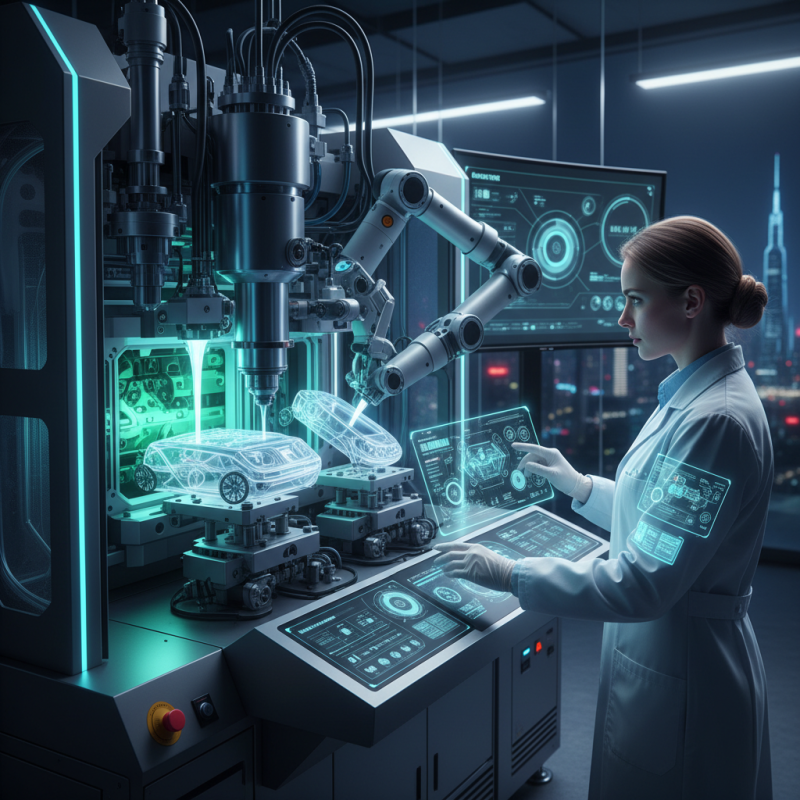
Plastic injection molding is a fascinating process. It's the key to creating various plastic products. Understanding the basics is important for anyone interested in mastering this technique.
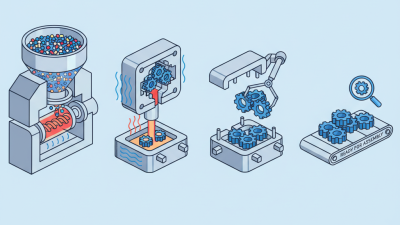
The technique begins with heating plastic pellets. The heated plastic is injected into a mold. After cooling, it takes the shape of the mold. However, achieving the perfect temperature is tricky.
Too hot and the plastic burns; too cold and it doesn't flow well. Many beginners struggle with this balance.
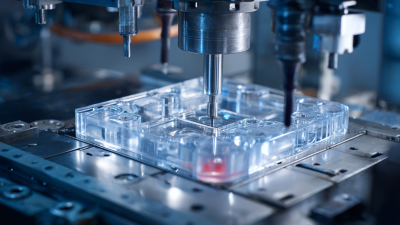
In addition to temperature, mold design matters. A poorly designed mold can lead to defects. These may include air bubbles or uneven surfaces. It's essential to refine the mold design. Regularly testing and adjusting your molds is vital. Mistakes will happen, but they are opportunities for improvement in mastering plastic injection techniques.
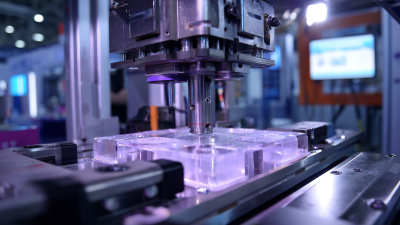
Plastic injection molding is a popular manufacturing technique. Choosing the right materials is crucial for achieving optimal results. Various types of plastics are used, each with unique properties.
Polypropylene is a common choice. It's lightweight and offers excellent chemical resistance. However, it can be brittle under certain conditions. Adjusting the injection temperature is key to improving its strength. Polyethylene is another option. It’s flexible and durable, but it can warp if not cooled properly.
Thermoplastics like ABS are versatile. They provide good impact resistance and are easy to process. Yet, achieving a flawless finish can be tricky. Inconsistent cooling rates may lead to surface imperfections. Experimentation with different material blends is often necessary. Each project may reveal new challenges, prompting reflection on techniques and material suitability.
| Material Type | Common Applications | Melt Flow Rate (MFR) | Temperature Resistance | Impact Strength |
|---|---|---|---|---|
| Polypropylene (PP) | Containers, Automotive Parts | 1.0 - 25 g/10 min | Up to 100°C | 30 - 60 kJ/m² |
| Acrylonitrile Butadiene Styrene (ABS) | Consumer Electronics, Toys | 1.0 - 30 g/10 min | Up to 80°C | 15 - 30 kJ/m² |
| Polycarbonate (PC) | Safety Glasses, Automotive Parts | 5.0 - 25 g/10 min | Up to 130°C | 60 - 80 kJ/m² |
| Polystyrene (PS) | Packaging, Disposable Cutlery | 1.0 - 20 g/10 min | Up to 70°C | 2 - 5 kJ/m² |
| Polyethylene (PE) | Bottles, Bags, Toys | 0.1 - 30 g/10 min | Up to 80°C | 10 - 30 kJ/m² |
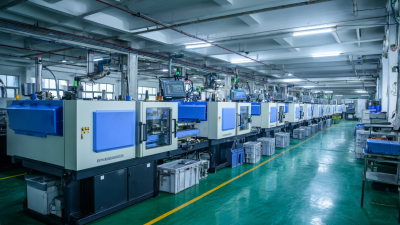
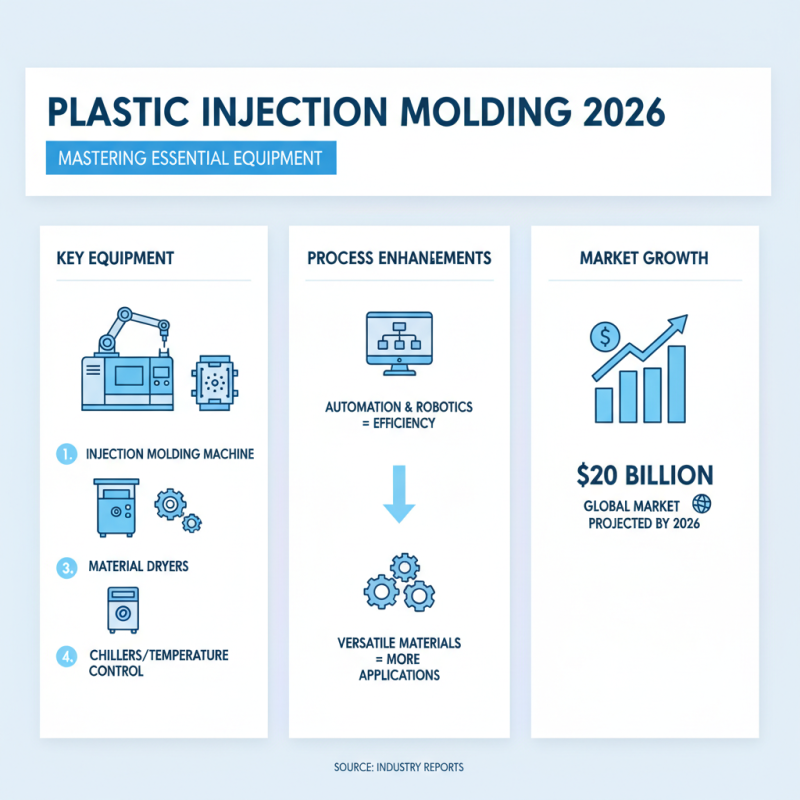
In 2026, mastering plastic injection techniques hinges on understanding essential equipment and machinery. The injection molding process requires a variety of machines to enhance efficiency and versatility. According to industry reports, the global injection molding machinery market is projected to reach $20 billion by 2026, indicating a growing investment in these technologies.
Key equipment includes injection molding machines, cooling systems, and robotics. The machine type impacts production speed and part quality. A poorly selected machine can lead to defects and wasted resources. The cooling phase is crucial. Inadequate cooling can cause warping and lengthen cycle times. Automation, such as robotic arms, can improve precision, reduce labor costs, and increase productivity. However, the initial investment poses a challenge.
Furthermore, maintenance practices often get overlooked. Neglected machinery can lead to inconsistent part quality. Regular servicing is vital to avoid costly downtimes. Having skilled operators who understand the machinery is equally important. Lack of training can lead to operational inefficiencies. Continuous education on equipment advancements is essential for staying competitive in the injection molding sector.
Plastic injection molding is a critical technique in manufacturing. It starts with preparing your materials. Choose high-quality plastic pellets that suit your project. The next step is to heat these pellets. When they melt, they become pliable. This is a crucial moment; overheating can cause degradation.
Once the material is ready, it's time to inject. The molten plastic is forced into a mold. Attention to detail is key here. You must ensure uniform distribution. Any air pockets can ruin the final product. After injection, the material needs to cool and solidify. This phase requires patience. Rapid cooling can lead to warping.
After the part is ejected from the mold, inspect it carefully. Look for imperfections or inconsistencies. This stage is about learning from your mistakes. Each batch teaches something new. Embrace these lessons. Reflecting on them builds mastery.
Plastic injection techniques are powerful but not without their challenges. When parts don’t meet expectations, it’s crucial to troubleshoot. One common issue is short shots, where the material fails to fill the mold completely. This could stem from insufficient pressure or temperature. Adjusting the machine settings can often remedy this problem.
Another frequent complication is warping. Warping usually results from uneven cooling or design flaws in the mold. Adjusting the cooling time and ensuring uniform heat distribution are key steps to address this. Sometimes, altering the material itself could make a significant difference.
Bubbles in the final product can also be a major concern. Air might get trapped during the injection process, ruining the surface finish. To alleviate this, one may need to adjust the injection speed or evaluate the venting of the mold. The best solutions come through trial and error. Learning from mistakes is essential. Each failed attempt offers insights that refine your technique.