What is a large plastic water tank and its benefits?
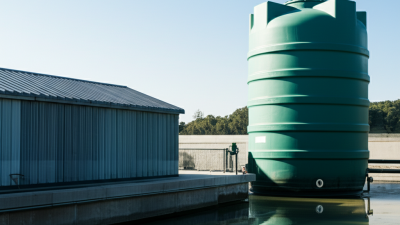
A large plastic water tank is a versatile solution for various water storage needs. These tanks are commonly used in agriculture, firefighting, and residential settings. Due to their durability and lightweight nature, they offer an efficient way to store and manage water.
One major benefit of a large plastic water tank is its resistance to corrosion. Unlike metal tanks, they do not rust or corrode over time. This helps maintain the quality of stored water. Furthermore, these tanks can be easily installed in different locations, making them convenient for different uses. Their cost-effectiveness is another significant advantage that appeals to many users.
Despite the clear benefits, there are some considerations to ponder. For instance, UV exposure can degrade the plastic over time. Proper maintenance and assessment of conditions are crucial. Regular checks can ensure longevity, maximizing the return on investment. Thus, weighing the pros and cons of a large plastic water tank is essential for making an informed decision.
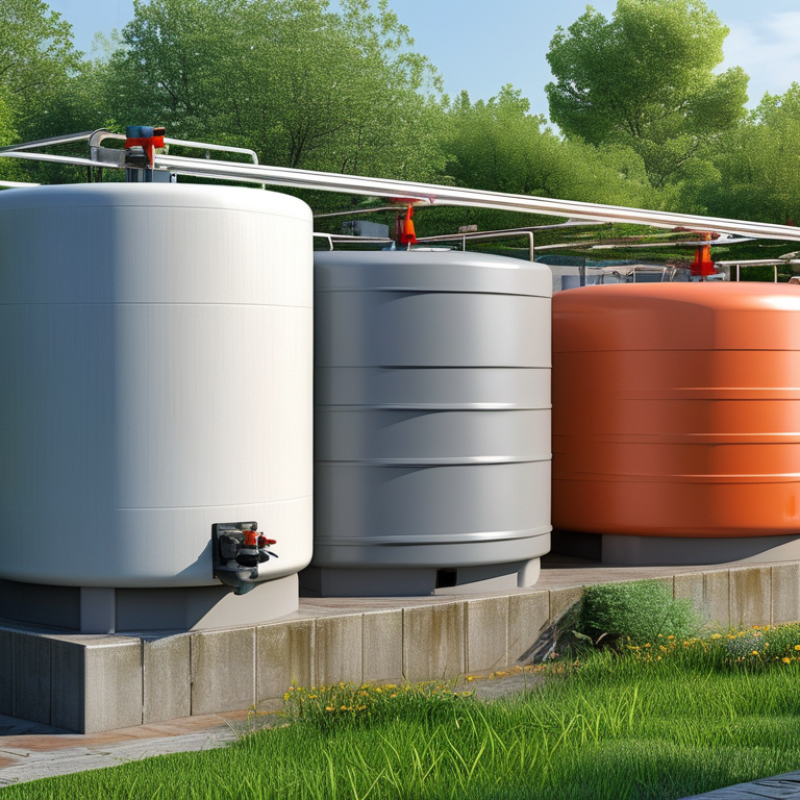
Definition and Overview of Large Plastic Water Tanks
Large plastic water tanks are essential for various applications, including agriculture, residential, and industrial uses. These tanks are typically made from high-density polyethylene (HDPE) or linear polyethylene, offering durability and resistance to corrosion. According to a recent industry report, the global water tank market is projected to grow by 4.5% annually, driven by the increasing demand for reliable water storage solutions.
One compelling benefit of large plastic water tanks is their lightweight nature. This feature allows for easier transportation and installation compared to traditional materials like concrete or metal. Furthermore, they are resistant to UV radiation and do not rust or corrode. This prolongs their life span, making them a cost-effective investment. However, the environmental impact of plastic production raises questions about sustainability. Manufacturers must balance durability with eco-friendliness.
Larger capacity tanks range from 500 to over 10,000 gallons. This versatility means they can suit various needs, whether for storing rainwater or supplying water for livestock. Yet, the size requires careful consideration of local zoning laws and potential space constraints. Understanding these factors is crucial for efficient planning and utilization.
Key Materials Used in Manufacturing Large Plastic Water Tanks
Large plastic water tanks serve various purposes, from agricultural applications to residential water storage. The materials used in their manufacturing greatly influence their performance and durability. Typically, these tanks are made from polyethylene or polypropylene, which are both popular due to their resistance to corrosion and UV rays. Polyethylene is lightweight and easy to handle, making it a common choice for many applications.
When considering the construction of these tanks, quality matters. High-density polyethylene (HDPE) offers excellent strength and longevity. It can withstand extreme temperatures and weather conditions, ensuring it remains functional for years. Additionally, some tanks incorporate additives that improve their resistance to bacteria and algae growth. However, not all manufacturers maintain the same standards. This variability means potential buyers must research brands thoroughly to ensure a reliable product.
While large plastic water tanks offer many advantages, challenges persist. Improper installation can lead to leaks or inefficiencies. Regular maintenance is essential to prevent issues, but many tank owners overlook this aspect. Balancing cost and quality can be tricky, as cheaper options may not provide the same level of durability or safety. Hence, understanding the best materials and the importance of proper care is crucial for maximizing the benefits of large plastic water tanks.
Major Benefits of Using Large Plastic Water Tanks
Large plastic water tanks are essential for storing significant water volumes. They are widely used in agriculture, construction, and municipal sectors. Utilizing these tanks brings numerous benefits.
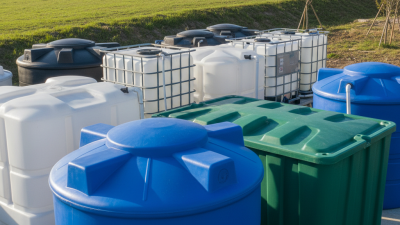
One major advantage of large plastic water tanks is their durability. Unlike metal tanks, plastic tanks resist corrosion and rust, ensuring longevity. Reports from industry experts indicate that properly maintained plastic tanks can last up to 30 years. Additionally, they are lightweight, making installation easier and more cost-effective. They can be customized in size and shape to fit various needs. This flexibility allows users to optimize their water storage solutions.
Another benefit is the cost-effectiveness of plastic tanks. They require less maintenance than traditional tanks, reducing long-term operational costs. A survey conducted by the Water Storage Association shows that facilities using plastic tanks save approximately 20% on maintenance costs compared to metal tanks. Moreover, these tanks are often recyclable, contributing to sustainability efforts.
Reflecting on design choices is vital for maximum efficiency. Choose the right size based on your water usage patterns. Assessing the installation location helps maximize accessibility and minimize potential contamination. Individual needs may vary; thus, considerations should focus on both immediate and long-term benefits. Keeping these factors in mind can lead to better decision-making in water storage solutions.
Common Applications and Uses of Large Plastic Water Tanks
Large plastic water tanks have become increasingly popular for various applications. They serve as effective solutions for storing water in agriculture, construction, and residential settings. Their lightweight nature makes them easy to transport and install. Additionally, these tanks can hold large volumes of water, which can be essential during dry periods or emergencies.
In agriculture, large plastic water tanks are vital for irrigation. Farmers can collect rainwater or store water from wells. This ensures that crops receive adequate hydration throughout the growing season. Many farmers recognize the need for reliable water sources, yet some may struggle with maintenance and hygiene. Proper cleaning routines are crucial to prevent algae growth and contamination.
Construction sites often utilize large plastic tanks for temporary water storage. Workers need a consistent water supply for various tasks like mixing concrete or dust control. However, challenges arise when these tanks are not securely anchored, potentially leading to spills. It's important to ensure that tanks are stable, especially in windy conditions. Proper management and location selection can mitigate these risks, enhancing their usability.
What is a large plastic water tank and its benefits? - Common Applications and Uses of Large Plastic Water Tanks
| Application |
Capacity (Liters) |
Material |
Benefits |
| Agricultural Irrigation |
5000 |
Polyethylene |
Durable, UV resistant |
| Rainwater Harvesting |
10000 |
Polypropylene |
Cost-effective, environmentally friendly |
| Construction Water Storage |
15000 |
HDPE |
Lightweight, easy to transport |
| Aquaculture |
8000 |
PVC |
Chemical resistant, safe for aquatic life |
| Residential Water Storage |
2000 |
Polyethylene |
Non-toxic, safe for drinking water |
Maintenance Tips for Ensuring Longevity of Plastic Water Tanks
Maintenance is crucial for ensuring the longevity of plastic water tanks. Regular cleaning should be part of your routine. A report by the Water Quality Association highlights that over 20% of homes with tanks experience issues due to poor maintenance. This includes algae growth and sediment buildup, which can lead to contamination. Flushing the tank every six months can help maintain water quality.
Inspecting the tank regularly is vital. Look for cracks or damage, particularly at connection points. A study showed that early detection of wear can extend the life of these tanks by up to 30%. Additionally, ensure that the tank is placed in a shaded area, as prolonged sunlight exposure can weaken the material over time.
Choosing the right additives can also help. Some compounds can inhibit algae growth and prolong tank integrity. However, improper use of additives may lead to chemical reactions that can compromise the tank. It’s beneficial to consult with a professional when considering such options. Understanding these maintenance practices can save costs in the long run.