
How to Choose the Right Electric Generator?

Choosing the right Electric Generator is not simply a matter of buying the highest wattage available. It requires matching demand, fuel, runtime, noise, installation, and operating conditions.

The International Energy Agency’s Electricity 2024 report expects global electricity demand to grow by an average of 3.3% annually from 2024 through 2026. That growth increases pressure on homes, businesses, construction sites, and critical facilities. Power interruptions can stop refrigeration, disable pumps, interrupt data systems, and create uncomfortable indoor conditions. A suitable generator provides more than emergency electricity. It protects continuity.

Real loads are less predictable than labels suggest. A refrigerator may use modest running power but demand a sharp startup surge. A well pump, air conditioner, or workshop compressor can create similar challenges. This guide explains how to calculate running and starting watts, compare portable, inverter, and standby designs, and evaluate gasoline, diesel, propane, and natural gas options. It also considers transfer equipment, fuel storage, emissions, maintenance access, and sound levels.

According to the U.S. Energy Information Administration’s Electric Power Monthly, reliability depends on generation, transmission, distribution, and local conditions. A generator cannot solve every weakness. It can still reduce exposure when selected carefully.

There is no perfect choice.

A larger unit may waste fuel and operate inefficiently under light loads. A smaller model may fail during motor startup. Manufacturer specifications also deserve scrutiny; marketing claims do not replace measured performance. The best decision combines professional load assessment, realistic usage estimates, recognized safety standards, and advice from qualified installers. This article offers a practical framework, while acknowledging that site conditions can change the final answer.
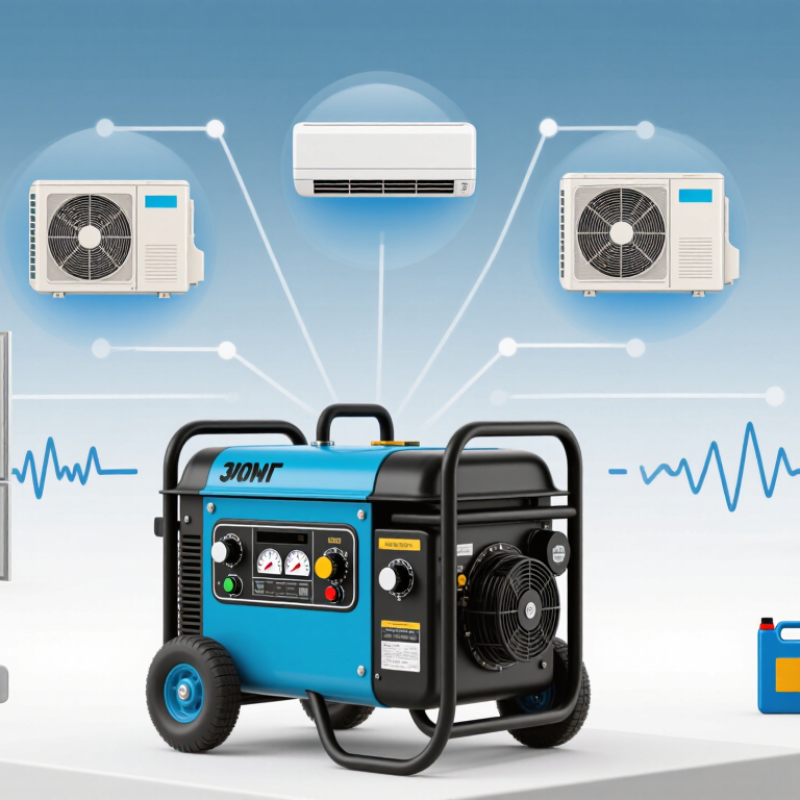
How to Choose the Right Electric Generator?

Define Your Electricity Needs and Operating Conditions

How to Choose the Right Electric Generator?

Define Your Electricity Needs and Operating Conditions

Start with a real load list, not a guess. Record each appliance’s running watts and starting surge. Motors, pumps, compressors, and refrigerators may demand two to seven times their running power during startup. Add the loads that must operate together, then allow a 20% reserve for unexpected demand. A generator that runs constantly at its limit may overheat, waste fuel, and age quickly.

Operating conditions matter just as much. At high altitude, thinner air can reduce engine output; many engines lose roughly 3% power per 1,000 feet. High temperatures can also reduce performance. The U.S. Department of Energy recommends considering climate, load profile, and fuel availability when evaluating backup power systems. Your site may need different capacity in winter than during a hot summer outage.

Think beyond the nameplate. The International Energy Agency’s Electricity 2024 report forecasts global electricity demand growth of about 4% in 2024 and 2025. More demand makes accurate sizing increasingly important. Check voltage, phase, frequency, runtime, noise, ventilation, and fuel storage.

Voltage Phase Frequency Runtime Noise Ventilation Fuel storage

Sensitive electronics may require stable voltage and frequency, while construction tools may prioritize surge capacity.

Never place a fuel-powered unit indoors or near windows. Carbon monoxide is invisible and can be fatal.

My checklist is useful, but not perfect; measure actual loads whenever possible, because assumptions fail in the field.

Compare Generator Types and Suitable Power Sources

Choosing an electric generator starts with the load, not the advertised wattage. Conventional portable generators suit tools, pumps, and short outages. Inverter generators provide cleaner, steadier power for computers and medical electronics. Standby units fit homes or facilities needing automatic operation. They usually use natural gas, propane, or diesel. Diesel remains practical for long, heavy-duty operation, but fuel storage and ventilation require careful planning.

The power source should match local conditions. Gasoline is accessible, yet it stores poorly and may create starting problems after long periods. Natural gas offers continuous pipeline supply, although earthquakes or severe storms can interrupt service. Solar panels paired with batteries produce quiet, low-emission backup power, but battery capacity limits heating, refrigeration, and motor loads. The International Energy Agency reported that global renewable capacity additions reached about 510 gigawatts in 2023, supporting more hybrid solar-storage systems. However, growth does not remove weather risk.

Size the generator by running watts and starting watts. Refrigerators and pumps can demand two to four times their normal power during startup. The U.S. Energy Information Administration reported that natural gas generated about 43% of U.S. utility-scale electricity in 2023, showing why gas infrastructure can influence fuel selection. A field mistake is trusting average consumption. I would measure peak demand with a power meter, then add a modest safety margin. Bigger is not always better; low-load operation can waste fuel and shorten service life.

Calculate Required Capacity, Starting Loads, and Running Loads

Choosing the right electric generator begins with an honest load calculation. List every device, its running watts, and its starting watts. Running load is the power used after equipment stabilizes. Starting load is the temporary surge from motors, pumps, compressors, and transformers.

A refrigerator may run near 700 watts but briefly require 2,000 watts to start. A well pump can create an even sharper surge. The U.S. Department of Energy’s Motor Systems Market Assessment identifies motor-driven systems as responsible for about 23% of U.S. electricity consumption. That scale explains why starting demand cannot be treated as a minor detail. Add running watts together, then identify the largest starting load. If several motors start together, combine their surges. It is safer to sequence them. NFPA 110 guidance also emphasizes dependable emergency power performance under changing loads. A generator with only enough running capacity may stall during startup. I have seen estimates fail because one “small” compressor was ignored.

Tips: Record the motor nameplate data. Use voltage, amperage, power factor, and locked-rotor information when available. For rough planning, motor starting demand may reach three to seven times running demand, but actual values vary. Ask a qualified electrician to verify the calculation. Leave practical reserve capacity, often 20% to 25%, for future equipment and unstable conditions. More capacity is not always better; oversized units can operate inefficiently at light loads. Your first estimate may be wrong. Recheck it.

Evaluate Fuel Use, Runtime, Noise, and Emissions

How to Choose the Right Electric Generator?

Fuel use should be measured at the load you expect, not at the generator’s maximum rating. The U.S. Energy Information Administration reports that gasoline contains about 120,214 Btu per gallon, while diesel contains about 137,381 Btu. Higher energy content does not guarantee lower consumption. Engine efficiency, maintenance, temperature, and load profile still matter. Ask for fuel-use figures at 25%, 50%, and 75% load. Real sites are messier.

Runtime depends on tank capacity and changing demand. A generator running lights, refrigeration, and tools may cycle through several load levels within one hour. Calculate usable fuel, then allow a practical reserve. The U.S. Department of Energy recommends examining part-load performance when comparing backup power systems. I would not trust a runtime claim without its testing conditions. A quiet test room is not a busy worksite.

Noise and emissions need equal attention. OSHA’s occupational exposure limit allows 90 dBA over an eight-hour workday, but that is a workplace limit, not a comfort target. Check the sound rating distance and operating load. The U.S. EPA’s AP-42 guidance and stationary-engine standards show that emissions vary with fuel, engine size, age, and control technology. Choose the cleanest compliant option available, then maintain it properly. Poor servicing can erase expected gains. Look for transparent test data, clear service intervals, and measured emissions information rather than impressive advertising.

Check Safety Features, Maintenance Needs, and Total Cost

How to Choose the Right Electric Generator?

Safety should lead the buying decision, not the advertised wattage. CPSC’s 2023 report linked portable generators to 85 nonfire carbon-monoxide deaths from 2019 to 2021. Place the unit outdoors, far from doors, windows, and vents. Use a carbon-monoxide alarm indoors. A transfer switch also prevents dangerous backfeeding during an outage. Confirm installation requirements with a qualified electrician.

Maintenance affects reliability and total cost. Check oil levels before each extended use. Inspect fuel lines, plugs, filters, and battery terminals regularly. NFPA 110 recommends documented inspection and testing for emergency power systems. Fuel storage can also become expensive, especially for frequent outages. Compare fuel consumption at half load, not only the maximum output. Include oil, filters, battery replacement, electrical installation, storage, and noise-control costs. My own checklist would still miss something; local climate changes maintenance intervals.

Tips: Calculate essential loads first, including a refrigerator, pump, lights, and medical equipment. Leave starting-wattage headroom. Keep a dated maintenance log beside the generator. Test it monthly under load, but do not ignore unusual vibration or exhaust smells. The cheapest model may cost more after repeated repairs. Survey data from the U.S. Energy Information Administration shows that outage exposure varies widely by region, so estimate your realistic yearly usage before purchasing.

We will help turn your vision into reality

Contact Us