How to Use Compression Molding for Efficient Manufacturing?
Compression molding is a widely used manufacturing technique that allows for cost-effective production of complex parts. According to a recent industry report, the global market for compression molding is projected to reach $8.9 billion by 2025, reflecting a 5.2% annual growth rate. This method is particularly popular in the automotive and consumer goods sectors, where durability and precision are essential. Manufacturers often prefer compression molding due to its capability to produce large quantities efficiently.
Yet, it is crucial to note that while compression molding offers numerous advantages, it also presents challenges. Achieving consistent quality can be difficult without proper control over temperature and pressure. Many companies struggle with defects like air bubbles and uneven surfaces, which can lead to increased production costs. Furthermore, relying solely on this method may limit design flexibility, potentially leading to missed opportunities for innovation.
While compression molding represents a reliable choice for mass production, manufacturers need to continuously reflect on their techniques and processes. Adopting advanced technologies can mitigate some issues, but each manufacturer should carefully evaluate its unique challenges. Balancing efficiency and quality remains a critical priority for achieving success in this evolving industry.
Understanding Compression Molding: A Comprehensive Overview
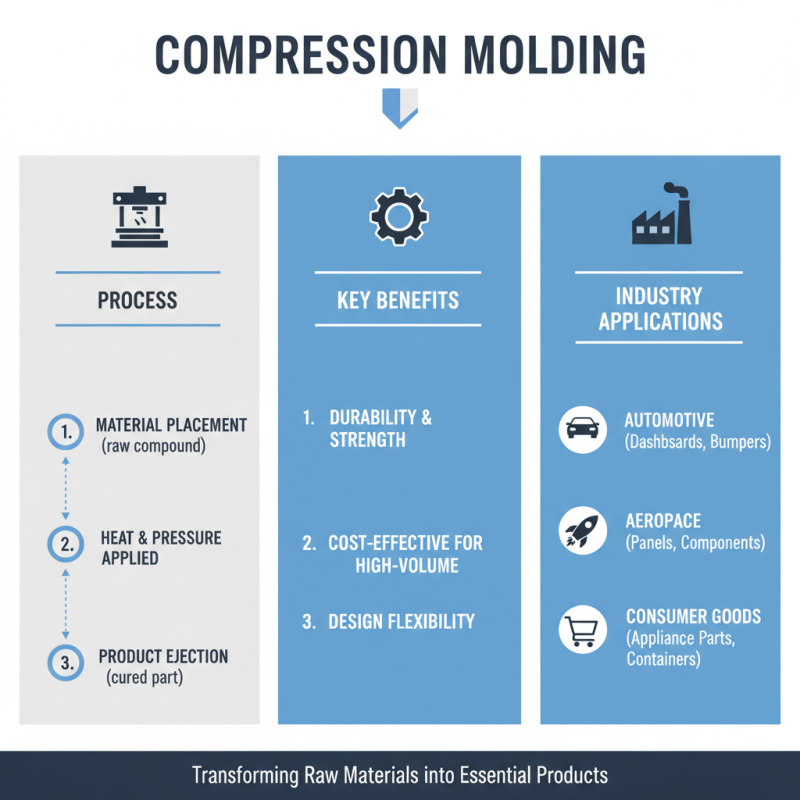
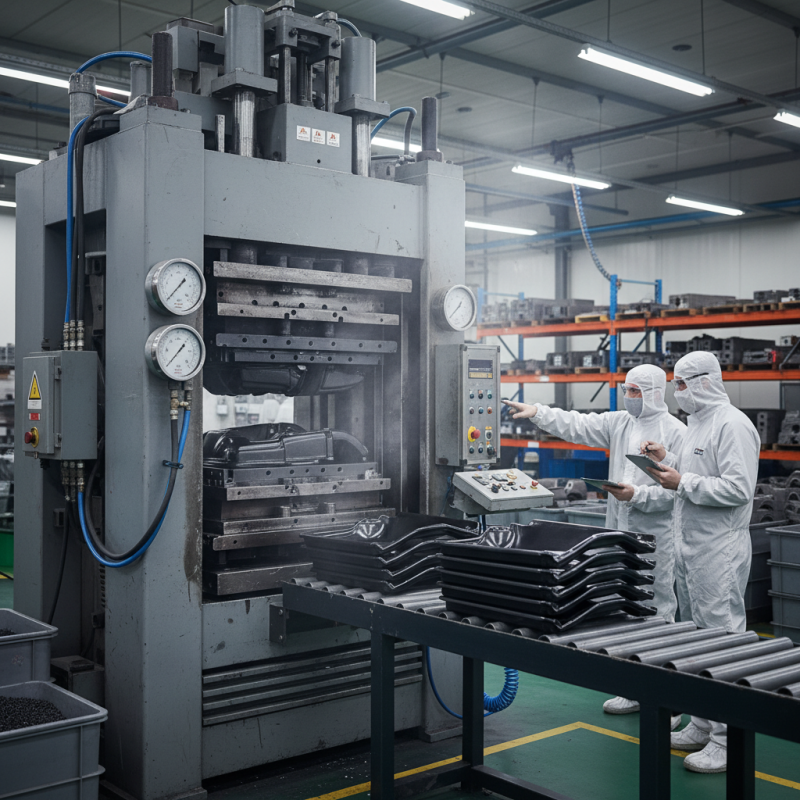
Compression molding is a vital process in manufacturing. It involves heated material placed in a mold. The pressure is applied to shape this material. This method is widely used for thermosetting plastics. It helps create strong, durable parts. Manufacturers can achieve complex shapes with precision.
This process is not without its challenges. The choice of materials can affect the outcome. If the wrong material is used, defects may arise. Inconsistent pressure can lead to uneven thickness. It is crucial to control every variable. Ignoring these details may result in wasted resources. Proper training for operators can improve consistency. Each cycle allows for learning and refinement.
Efficiency is key in modern manufacturing. Compression molding can reduce production time if managed well. However, suppliers must monitor machine performance continuously. Monitoring helps catch any anomalies early. The balance between quality and efficiency is delicate. Each decision impacts the final product's success. Embracing this complexity can lead to superior manufacturing outcomes.
Key Materials Used in Compression Molding Processes
Compression molding relies heavily on the
materials used in the process.
Commonly utilized materials include thermosets and
thermoplastics. Thermosets
are popular due to their strength and resistance to high temperatures. These materials, once set,
cannot be remolded. This can lead to waste if not managed properly.
On the other hand, thermoplastics can be
reheated and reshaped. They offer versatility in design and are often used in industries like
automotive and consumer goods. Understanding each material's properties is crucial. Choices can
impact the final product's quality. Some materials may not provide the desired durability or finish.
Another material used is rubber. It's ideal for
applications requiring flexibility. However, it can sometimes lead to complications in the molding
process. Achieving the right mixture and consistency is a challenge. Manufacturers must be vigilant
about their choices. Mistakes can result in defective products, which costs time and resources.
Step-by-Step Process of Compression Molding for Manufacturing
Compression molding is an effective manufacturing process widely used across various industries. It involves several steps that ensure efficiency and precision. The first step is preparing the mold. This requires careful consideration of the materials and specifications. The mold should be clean and preheated to the desired temperature for better results.
Next, the resin or raw materials are weighed and precisely measured. Precision here is crucial. Any miscalculation can lead to defective parts, which is frustrating. Once weighed, the material is placed into the heated mold. This process applies pressure, allowing the material to conform. The pressure and heat must be monitored closely to achieve the best outcome.
After the molding phase is complete, the part is cooled. Cooling should be done slowly to prevent warping. This phase can be tricky, as uneven cooling may impact the final product's integrity. Overall, while compression molding offers many advantages, attention to detail in every step is vital for achieving quality results.
Advantages of Compression Molding in Efficient Production
Compression molding is a popular manufacturing technique known for its efficiency. This process allows companies to produce quality components quickly. According to industry reports, compression molding can reduce cycle times by up to 50% compared to traditional methods. This advantage makes it appealing for various applications, especially in the automotive and aerospace sectors.
Using compression molding, manufacturers can create complex shapes with minimal waste. The material, usually a thermosetting polymer, is placed in an open mold. Heat and pressure then form the material into the desired shape. According to a study, this method can achieve up to 90% material utilization. However, achieving consistent quality requires careful monitoring of process parameters. If not controlled, variations in temperature or pressure can lead to defects in finished products.
Another aspect to consider is the initial setup cost. While compression molding can save money in the long run, the upfront investment can be significant. Companies must weigh the benefits against potential risks. Investing in the right machinery and training is crucial. As per industry analysis, companies can expect a return on investment within a few years if they optimize their processes effectively.
Advantages of Compression Molding in Efficient Production
This chart illustrates various advantages of compression molding in efficient production. Each advantage is rated on a scale from 1 to 10, demonstrating the effectiveness of compression molding in manufacturing processes.
Common Applications of Compression Molding in Various Industries
Compression molding plays a vital role in several industries. It's a process that transforms raw materials into useful products. This method is commonly used in automotive, aerospace, and consumer goods industries. In automotive manufacturing, for instance, compression molding creates durable parts like dashboards and bumpers. These parts withstand harsh conditions and provide safety.
In the aerospace sector, lightweight yet strong components are essential. Compression molding delivers precisely that. It can produce intricate shapes that meet strict weight requirements. However, achieving the right balance in material properties can be challenging. Sometimes, the finished pieces may not meet the expected quality. This requires constant evaluation and adjustment of the process.
Consumer goods also benefit from compression molding. Items like kitchenware and medical devices often utilize it. The finished products are not only functional but also aesthetically pleasing. Yet, there are times when designs face limitations due to mold constraints. This aspect can hinder innovation and creativity. Manufacturers need to rethink their designs and explore new approaches.