How to Choose Plastic Water Tanks for Your Needs?
Choosing the right plastic water tanks is crucial for various applications. According to the Water Quality Association, over 85% of households rely on storage tanks for their water supply. This trend highlights the importance of selecting suitable tanks to ensure safety and efficiency.
Plastic water tanks offer durability and resistance to corrosion. However, not all plastics are created equal. Some may leach harmful chemicals into stored water. The Environmental Protection Agency stresses the significance of choosing FDA-approved materials. Also, factors like capacity and UV resistance play a role in the selection process.
Potential buyers often overlook critical aspects when choosing plastic water tanks. Many assume size is the only factor. Yet, tank quality, installation, and maintenance cannot be ignored. Reflecting on these elements can lead to better-informed decisions. The right choice can optimize water storage while minimizing future issues.
Understanding Different Types of Plastic Water Tanks Available in the Market
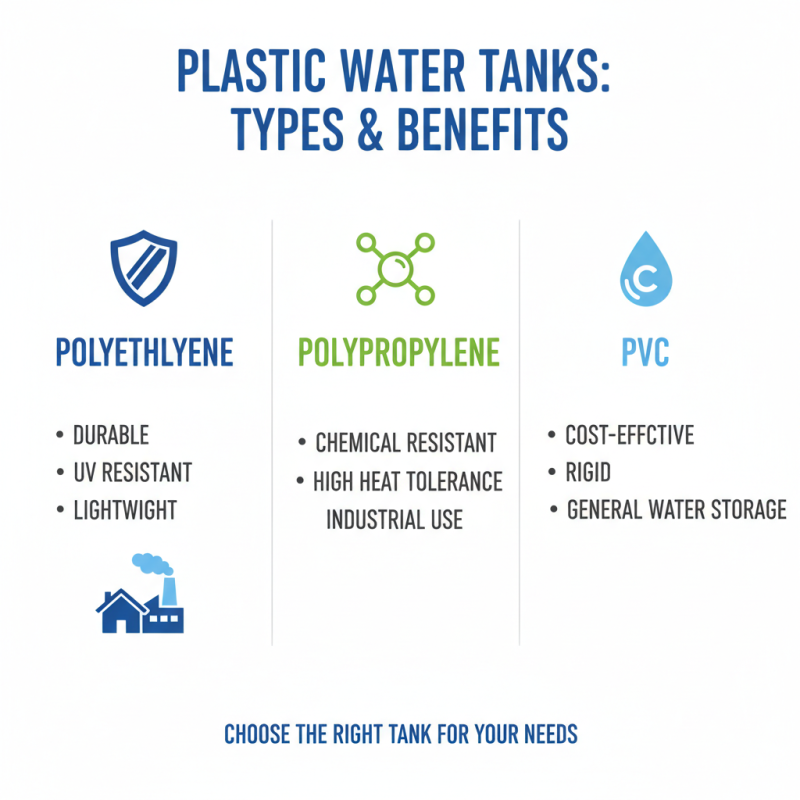
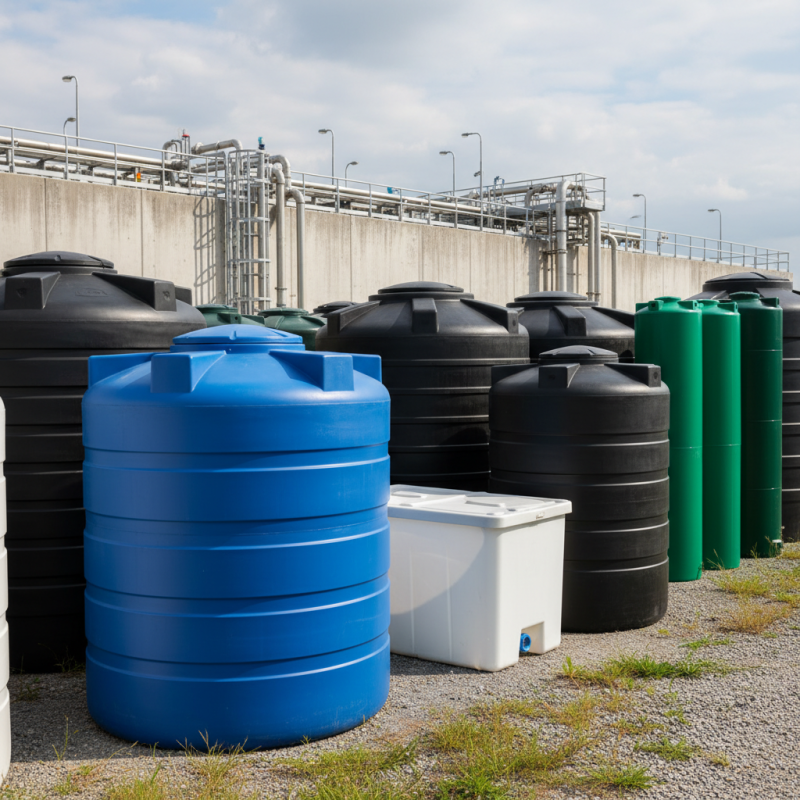
When choosing plastic water tanks, it’s essential to understand the different types available in the market. There are several options, each designed for specific needs. Common types include polyethylene, polypropylene, and PVC tanks. Polyethylene tanks are popular due to their durability and resistance to UV rays. They are lightweight and ideal for both residential and commercial use.
Tips: Consider the size of the tank. A larger tank may seem appealing, but ensure you have adequate space for it.
Polypropylene tanks offer higher chemical resistance. This makes them suitable for storing harsh substances. However, they can be more expensive. PVC tanks are often used for rainwater harvesting. They are less durable but are budget-friendly for temporary needs.
Tips: Think about your long-term requirements. A cheaper tank might save money now but can lead to replacement costs down the line.
Reflect on your local climate as well. Some tanks may not withstand extreme temperatures, leading to cracks or leaks. Assessing your specific conditions can prevent future headaches.
Key Factors to Consider When Selecting the Right Size for Your Needs
When selecting the right size for your plastic water tank, there are several key factors to consider. Start by evaluating your water usage needs. How much water do you consume daily? This could be for drinking, irrigation, or other tasks. Write down your weekly or monthly requirements. Understanding your consumption helps in deciding capacity.
Next, think about available space. Where will you place the tank? Measure the dimensions of the space to ensure a good fit. If space is tight, you might need a cylindrical tank over a rectangular one. Also, consider the height and width. Can the tank reach higher areas, or will it sit on the ground? These details matter more than they seem.
Finally, reflect on long-term needs. Will your water demand increase? Planning for growth is wise. It is better to purchase a slightly larger tank than to find yourself short on supply later. Balancing immediate needs and future potential is a complex task. Take your time to analyze it thoroughly.
Material Durability: Evaluating the Quality of Plastic for Water Tanks
When selecting plastic water tanks, material durability is crucial. High-quality plastic ensures longevity and safety. Many industry studies indicate that polyethylene is the most common material for these tanks. It is resistant to UV rays and chemicals, making it ideal for various environments. For instance, tanks made from HDPE (high-density polyethylene) can last over 30 years if maintained properly.
Tips: Always check for UV stabilization in your tank. This factor significantly affects its lifespan.
Not all plastics are created equal. Some may degrade in sunlight, leading to leaks and contamination. Testing conducted by the Plastics Industry Association shows that UV exposure can reduce material strength by 50% in just three years. Therefore, conducting regular inspections is essential, even after choosing a good quality tank.
Tips: Look for tanks with a warranty that covers UV damage. A solid warranty reflects the manufacturer's confidence in their product.
In some cases, cheaper plastic tanks might seem appealing. However, they could become brittle. They may degrade under heat or pressure. This can lead to costly repairs or replacements. Testing the tank's resilience before purchase can save you money in the long run. Always ask for performance data when buying.
Assessing the Installation and Maintenance Requirements of Water Tanks
When choosing plastic water tanks, installation and maintenance should be primary considerations. Assessing site conditions is crucial. Ensure the ground is level and stable. The location must allow easy access for maintenance tasks. Perhaps a remote area might seem perfect at first, but it can pose challenges for servicing the tank later.
Proper ventilation is essential for long-term use. Tanks that lack airflow can develop odors or mold. Regular inspections are vital. A minor crack today can become a major leak tomorrow. Create a simple maintenance schedule to check for wear and tear. It may seem tedious, but it saves effort and money down the line.
Involving professionals for installation may be beneficial, especially if you're unsure. A poorly installed tank can lead to water contamination. The fitting of inlet and outlet pipes needs precision. Even small misalignments can result in water flow issues. Anticipate how often you will need to clean the tank, and prepare accordingly. Determine the best tools and methods before you begin. A little planning can prevent big headaches later.