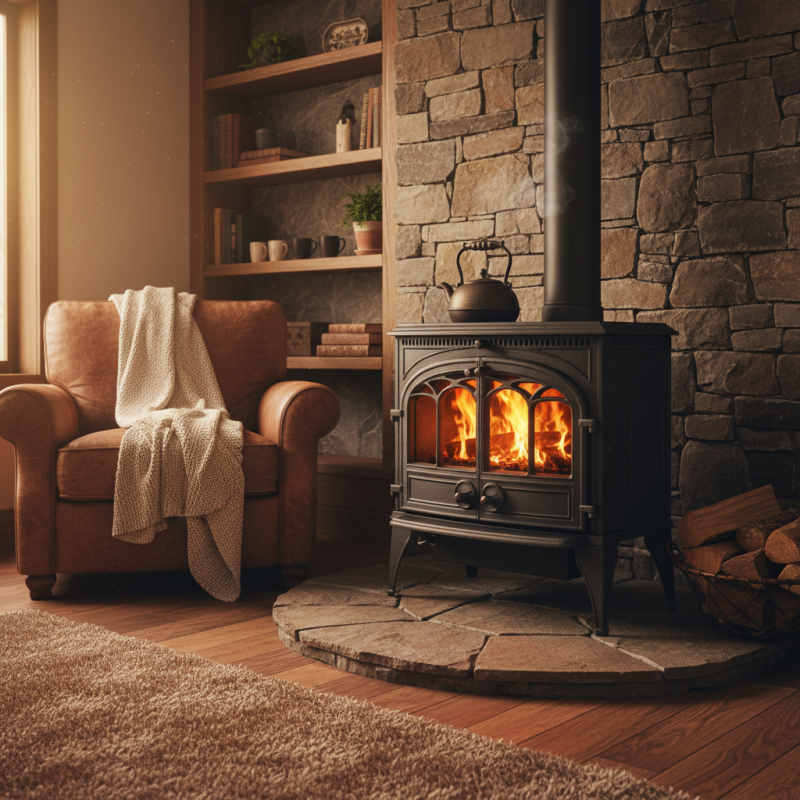
How to Choose the Best Cast Iron Stove for Your Home?
Choosing the right cast iron stove for your home can feel overwhelming. There are many options available. Each one comes with unique features and benefits. A cast iron stove is not just a cooking appliance; it’s an investment in your home’s atmosphere.
When you think about a cast iron stove, imagine the warmth it provides. The heavy material retains heat exceptionally well. This means you can enjoy cozy family dinners or warm up chilly evenings. However, not all cast iron stoves are created equal. You might find models that don’t complement your kitchen style or are too bulky for your space.
Consider your needs. Are you looking for something efficient? What size will fit best? Reflect on these questions as you shop. It's easy to get caught up in aesthetics. But functionality matters too. Choosing a cast iron stove is about balancing style and practicality. Ultimately, it’s a decision that should enhance your home’s comfort and charm.
Key Considerations for Selecting a Cast Iron Stove
Choosing the right cast iron stove involves several key considerations. First, assess the size of your space. A large stove may overwhelm a small room. Conversely, a small stove may not heat a larger area effectively. Take measurements of your space and compare them with the stove dimensions.
Another vital aspect is the heating capacity. Stoves are rated by BTUs, which indicate the heat output. A lower BTU may save you money but might not provide sufficient warmth in winter. Opting for a stove with adjustable settings can give you flexibility while cooking or heating.
Tips to consider: Look for a stove with a good insulation system. This will retain heat and save energy over time. Also, test the stove's door seals. Gaps can lead to heat loss and can make your stove inefficient.
Ventilation is essential too. Proper airflow ensures that your stove operates safely and effectively. Remember to check local regulations regarding installation. Each home may have unique requirements. Reflect on your specific needs before making a decision.
Comparison of Key Features in Cast Iron Stoves
Types of Cast Iron Stoves: Understanding Your Options
When choosing a cast iron stove, understanding the types available is crucial. There are several options, including traditional wood-burning stoves and modern gas versions. Wood-burning stoves provide a rustic charm and produce a unique ambiance. However, they require regular maintenance and proper venting. It’s necessary to be vigilant about chimney cleaning to avoid potential hazards.
On the other hand, gas stoves offer convenience and ease of use. They ignite quickly and allow for precise temperature control. Yet, some users might miss the authentic crackling sound of burning wood. Electric stoves are another option, providing consistent heat with less upkeep. But they may not give the same warmth or aesthetic appeal as wood or gas units.
Think about space and installation. A larger stove can be a stunning focal point, but it may overpower a small room. A compact model might fit better but could struggle to heat a larger area. Consider your lifestyle too. A busy schedule may lead to neglecting regular stove care. Each type has its pros and cons. Finding the right match often involves balancing personal preference with practical needs.
Essential Features to Look for in a Cast Iron Stove
When choosing a cast iron stove, it’s crucial to focus on essential features. One key aspect is the heat retention capacity. Cast iron’s ability to store and radiate heat efficiently can reduce energy costs. Reports from the National Renewable Energy Laboratory indicate that homes with high heat retention can save up to 25% on heating bills.
Efficiency ratings are another important factor. Stoves with an efficiency rating above 75% are generally preferred. This ensures that most of the fuel is converted to heat instead of being lost. Pay attention to the size of the stove as well. A well-sized stove can heat a space effectively, while an overly large model may lead to overheating and wasted resources.
Don’t overlook the design aspects either. Aesthetics should not compromise functionality. While modern designs can be appealing, they may not offer the same performance levels as traditional models. It's worth reflecting on whether the visual appeal justifies potential efficiency losses. Durability is paramount; some models may require more frequent replacements, adding to long-term costs.
Evaluating Energy Efficiency and Heating Performance
When choosing a cast iron stove, energy efficiency is crucial. According to the U.S. Department of Energy, efficient stoves can reduce heating costs by up to 30%. This is substantial, especially as winter approaches and energy bills rise. An efficient stove not only warms your home but also minimizes environmental impact.
Heating performance is another vital factor. Reports show that cast iron stoves retain heat longer than traditional models. A well-insulated stove can keep your space cozy for hours, even after the fire diminishes. However, not all stoves are equal. Testing reveals variations in heat output, with some models delivering inconsistent warmth. Research indicates that a stove's BTU rating directly affects its heating efficiency.
Selecting a stove requires carefully examining these metrics. Energy efficiency ratings can be misleading at times. Some stoves may perform well in controlled environments but falter in reality. This requires consumers to consider user reviews and real-world data. The investment in a quality cast iron stove often pays off in comfort and savings. Yet, it's essential to balance preference with factual performance metrics.
Maintenance Tips for Long-Lasting Cast Iron Stoves
When maintaining a cast iron stove, it's crucial to ensure longevity and efficiency. Regular cleaning is necessary. After each use, remove ashes and debris. This practice helps prevent rust and buildup. According to a study, over 30% of stove issues stem from neglecting these basic maintenance routines. Inspecting the stove regularly for cracks or damage is vital. Small issues can escalate if ignored.
Seasoning is another key aspect. Applying a thin layer of oil maintains the stove's surface and enhances its non-stick properties. A well-seasoned stove heats evenly, promoting better cooking results. Research indicates that unseasoned cast iron stoves can lose up to 20% of their heating efficiency. Make it a habit to re-season your stove every few months, particularly if you notice food sticking.
Temperature management is essential too. Avoid sudden temperature changes, as they can lead to warping. Using the stove within the recommended heat range helps preserve its integrity. A survey revealed that nearly 25% of cast iron stove users experience problems due to improper temperature control. Regular maintenance not only extends a stove's life but also enhances safety and cooking performance.
How to Choose the Best Cast Iron Stove for Your Home? - Maintenance Tips for Long-Lasting Cast Iron Stoves | Feature | Importance | Maintenance Tips |
| Material Quality | High-quality cast iron retains heat better. | Regularly inspect for rust and apply seasoning as needed. |
| Size and Capacity | Choose a size that fits your space and meets your cooking needs. | Clean after each use to prevent buildup. |
| Design | A good design enhances functionality and aesthetic appeal. | Wipe down surfaces regularly to maintain appearance. |
| Heat Distribution | Ensures even cooking and energy efficiency. | Avoid overheating to prevent warping. |
| Price | Consider longevity and performance over initial cost. | Invest in cleaning supplies to prolong lifespan. |