
How to Choose a Top One Phase Transformer from China?

Choosing a reliable One Phase Transformer from China requires more than comparing online prices. The decision should connect electrical performance, factory capability, documentation, and long-term service. The International Energy Agency’s Electricity 2024 report forecasts strong global electricity demand growth through 2026. This expansion increases pressure on distribution equipment, especially in residential, commercial, and light industrial networks.

A suitable transformer begins with the actual load profile. Record voltage, frequency, rated power, ambient temperature, installation altitude, and expected daily loading. A 25 kVA unit may appear sufficient, yet motor starting currents can cause unacceptable voltage drops. Review no-load loss, load loss, impedance, insulation class, temperature rise, and noise level. IEC 60076 remains a key reference for power transformer design and testing. Local standards may add further requirements.

China offers broad manufacturing capacity, but quality is not uniform. That assumption can fail. Request routine test reports, type-test evidence, material traceability, and clear nameplate photographs. Ask whether the manufacturer controls winding, core cutting, vacuum drying, assembly, and final testing internally. Factory experience matters. A credible supplier should explain its copper or aluminum selection, enclosure protection, tap arrangement, and warranty process without vague promises. The U.S. Department of Energy’s transformer efficiency research also shows why losses deserve careful attention over the product’s service life. Compare total ownership cost, not only purchase price. Verify spare-parts support and independent inspection options before payment. Small details matter. A thoughtful specification can prevent overheating, delays, and expensive replacement. Still, every project differs, so this guide should be checked against local codes and a qualified electrical engineer’s review.
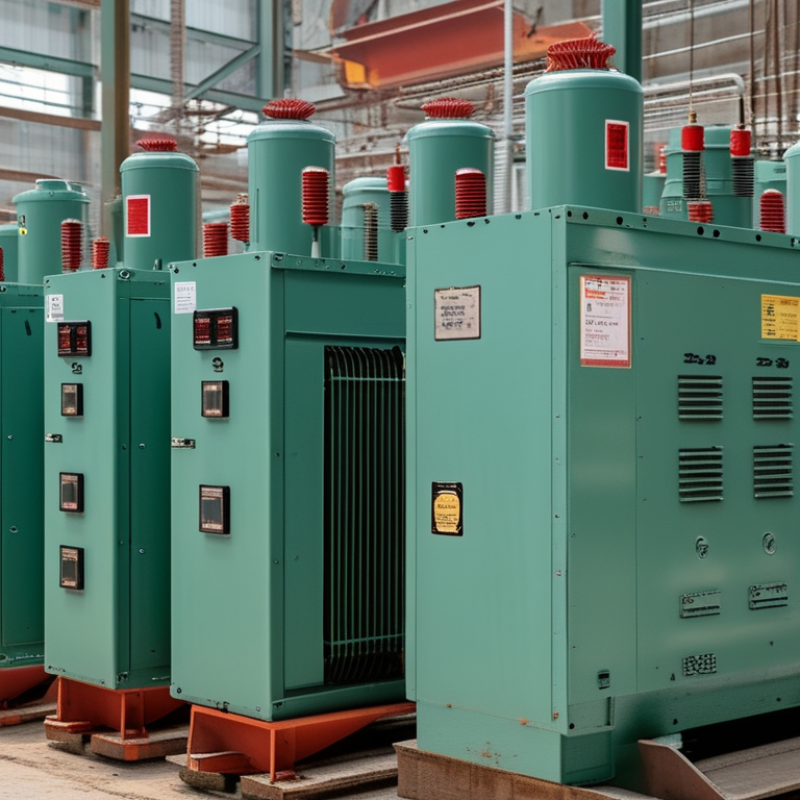
How to Choose a Top One Phase Transformer from China?

Understanding One-Phase Transformers and Their Main Applications

A one-phase transformer changes voltage for homes, workshops, lighting systems, and small industrial equipment. It usually serves loads connected between one live conductor and neutral. Its simple structure makes installation practical where three-phase power is unnecessary.

When choosing one from China, examine the rated power, input voltage, output voltage, frequency, insulation class, and cooling method. A 5 kVA unit may suit a small workshop, while a larger motor needs extra starting capacity. Ask for routine test records, temperature-rise data, winding materials, and enclosure ratings. Clear drawings matter. So does traceability.

Look closely at core losses and no-load noise. A quiet transformer beside an office is not the same as a rugged unit near machinery. Check terminal protection, grounding points, transport packaging, and spare-part access. Request samples before placing a large order. It is tempting to select the lowest quotation, but that choice can hide thinner insulation or weak quality control. I would not assume every certificate proves consistent production. Factory audits, independent inspections, and repeat testing provide stronger evidence. Small details matter. Suppliers should also explain how they handle voltage tolerance and abnormal heating. My own evaluation would leave room for revision after real-load testing, because laboratory results may not reflect dusty workshops, long cables, or unstable supply conditions.

Defining Your Electrical, Capacity, and Installation Requirements

How to Choose a Top One Phase Transformer from China?

Defining electrical requirements prevents expensive mismatches. Confirm the primary voltage, secondary voltage, frequency, phase arrangement, and grounding method. China commonly uses 220V single-phase supply, but site conditions can differ. Verify the actual utility data before requesting quotations.

Calculate continuous load, starting current, and future expansion separately. Motors, pumps, and compressors may demand several times their running current. Select capacity with practical headroom, not excessive oversizing. A transformer operating too lightly can still waste energy. The U.S. Department of Energy estimates its 2024 distribution-transformer efficiency rule could save 3.6 quadrillion British thermal units over thirty years. Efficiency deserves attention at the specification stage. IEC 60076 test requirements can support consistent comparison, especially for temperature rise, losses, insulation, and voltage regulation.

Installation details are equally important. Record indoor or outdoor location, altitude, ambient temperature, enclosure rating, cable entry direction, noise limits, and available ventilation. The IEA’s Electricity Grids and Secure Energy Transitions report says annual grid investment must exceed 600 billion dollars by 2030. That pressure makes reliable, efficient equipment more valuable. Ask the Chinese manufacturer for routine-test reports, drawings, material details, and traceable inspection records. Request clear tolerances. A polished datasheet can still hide an unsuitable connection layout. Check it against the real site, preferably with an electrician’s review. Mistakes often begin with assumptions.

How to Choose a Top One-Phase Transformer from China?

Electrical, capacity, and installation requirements at a 230 V single-phase output

The chart compares common single-phase transformer ratings with their theoretical full-load output current at 230 V. Current is calculated using I = S × 1000 ÷ V, where S is transformer capacity in kVA and V is output voltage. When selecting a transformer, confirm the required load capacity, input and output voltage, frequency, ambient conditions, enclosure rating, and installation space. A practical design should also include additional capacity for starting current and future expansion.

Evaluating Chinese Transformer Manufacturers and Product Quality

Choosing a top one phase transformer from China requires more than comparing prices. I evaluate the manufacturer behind the product. A reliable supplier should explain its design process, testing equipment, and production controls clearly. Ask for factory records, not only polished photographs.

Inspect the transformer’s core material, winding arrangement, insulation system, and enclosure finish. These details affect losses, noise, temperature rise, and service life. Request test reports for voltage ratio, insulation resistance, dielectric strength, load loss, and no-load loss. The applicable IEC or national standard must match your installation. A sample unit should receive independent inspection when the project is critical.

Traceability matters. Each unit should have identifiable records for materials, operators, test results, and final approval. Check whether engineers can answer practical questions about humidity, overloads, cooling, and local grid conditions. A manufacturer with export experience may understand documentation better, but experience alone proves little. A factory tour can impress you. It cannot replace evidence.

I would also examine packaging and after-sales support. Look for sealed terminals, shock protection, moisture barriers, and clear installation instructions. One overlooked detail can cause expensive delays. A low quotation may be attractive, yet thinner insulation or weaker testing can appear only after delivery. My judgment would remain cautious until samples, documents, and communication agree.

Checking Safety Standards, Testing, Customization, and Documentation

How to Choose a Top One Phase Transformer from China?

A reliable supplier should explain which safety standards guide its one phase transformer design. Depending on the destination, requirements may involve IEC, GB, or local electrical rules. Ask for complete test reports, not only a certificate image. Check insulation resistance, dielectric withstand, no-load current, load losses, and temperature rise. Reports should include the serial number, test date, and instrument calibration status. A stamped PDF alone proves little.

During a factory review, confirm that every unit receives routine testing before shipment. Look for winding wire records, core material certificates, and final inspection sheets. Photographs can help, but traceable records provide stronger evidence. I once focused too much on price and overlooked terminal spacing. That was a useful mistake. Request a sample and compare its label, wiring, and dimensions with the approved drawing.

Customization must be written clearly in the purchase documents. Specify input and output voltage, frequency, power rating, insulation class, cooling method, connectors, and mounting holes. Clarify acceptable tolerances and protection requirements. Before shipment, require packing photos, a serial-number list, user instructions, wiring diagrams, conformity documents, and warranty terms. Check every document against the actual nameplate. Small mismatches can delay installation. Keep revision-controlled drawings. Do not rely on verbal promises.

Comparing Quotes, Delivery Terms, Warranty, and After-Sales Support

How to Choose a Top One Phase Transformer from China?

A low quote is not always a low-cost solution. Ask each supplier to quote the same voltage, frequency, capacity, insulation class, and installation environment. Compare copper or aluminum windings, no-load loss, load loss, temperature rise, and test documentation. A professional supplier should provide routine test reports, drawings, technical data, and clear references to applicable standards. Check the factory’s production experience, quality controls, and inspection process. Photos are useful, but they are not proof.

Delivery terms can change the real price. Confirm whether the quote includes export packing, inland transport, insurance, customs documents, and port charges. Request a production schedule with inspection dates. For example, a 100 kVA transformer may be ready in four weeks, while customized enclosures need more time. Never rely on “fast delivery” alone. Get the promised date in writing.

Tips: Compare warranty length, coverage, and exclusions line by line. Ask who pays for replacement parts, testing, and transport after a failure. Confirm response times and the availability of wiring diagrams, spare terminals, and troubleshooting support. A useful after-sales team can guide technicians by video and provide replacement advice quickly. I have seen buyers focus heavily on price, then discover that remote support was limited. That mistake is avoidable, although no supplier can promise zero problems. Include acceptance criteria, inspection rights, and a practical remedy in the purchase contract.

How to Choose a Top One Phase Transformer from China? — Comparing Quotes, Delivery Terms, Warranty, and After-Sales Support

Evaluation Dimension Supplier 1
Value-Oriented Offer
Supplier 2
Balanced Offer
Supplier 3
Fast-Delivery Offer
Supplier 4
Premium-Specification Offer
Recommended Evaluation Point
Typical Product Configuration Single-phase oil-immersed transformer
50 kVA, 11 kV / 0.4 kV
Single-phase dry-type transformer
100 kVA, 10 kV / 0.4 kV
Single-phase oil-immersed transformer
160 kVA, 11 kV / 0.4 kV
Single-phase dry-type transformer
250 kVA, 10 kV / 0.4 kV
Confirm rated capacity, primary voltage, secondary voltage, frequency, tap range, cooling method, enclosure rating, and installation environment.
Indicative Unit Price US$1,850–2,350 US$3,900–4,800 US$5,600–6,700 US$9,800–12,000 Compare equivalent specifications. A lower quote may exclude accessories, testing, packing, inland transport, or import-related costs.
Quotation Validity 15 days 30 days 20 days 30 days Check whether copper, steel, oil, freight, and currency fluctuations can change the final price.
Price Basis FOB China port FOB China port CIF named destination port EXW factory Compare offers using the same Incoterms® rule, destination, insurance scope, and delivery point.
Included Accessories Standard bushings, rating plate, lifting lugs, drain valve Standard terminals, temperature sensors, enclosure, rating plate Standard bushings, oil level indicator, pressure relief device, wheels Temperature controller, enclosure, anti-vibration pads, documentation package Request a line-by-line accessory list and identify optional items before comparing total cost.
Estimated Production Lead Time 25–35 calendar days 35–45 calendar days 18–25 calendar days 45–60 calendar days Lead time normally starts after technical approval, deposit receipt, and confirmation of all drawings.
Shipping Arrangement Buyer arranges ocean freight Supplier can arrange freight on request Ocean freight included to named port Buyer arranges freight and import clearance Verify port, sailing frequency, estimated transit time, export packing, cargo insurance, and responsibility for local charges.
Export Packing Seaworthy plywood case Moisture-resistant plywood case with internal bracing Seaworthy case with shock and tilt indicators Heavy-duty plywood case with customized lifting marks Packaging should protect against moisture, impact, corrosion, and incorrect lifting during international transport.
Factory Testing Routine tests included Routine tests plus temperature-rise report Routine tests plus ratio and insulation-resistance records Routine tests, loss measurement, temperature-rise test, and witness option Ask for applicable test standards, test format, calibration records, and whether third-party witnessing is available.
Efficiency and Loss Data Efficiency: typically above 97% at rated load Efficiency: typically above 98% at rated load Efficiency: typically above 98% at rated load Efficiency: typically above 98.5% at rated load Compare no-load loss, load loss, impedance, temperature rise, and total cost of ownership—not efficiency alone.
Warranty Coverage 12 months from shipment 18 months from shipment or 12 months from commissioning 24 months from shipment 24 months from commissioning, subject to agreed limits Clarify the start date, covered components, exclusions, labor, freight, replacement parts, and claim documentation.
After-Sales Response Email support within 2 business days Email and video support within 1 business day Remote troubleshooting within 24 hours Named technical contact and remote support within 8 working hours Obtain a written response-time commitment and escalation process before placing the order.
Spare Parts Availability Common parts available by order Common sensors and terminals normally available Standard parts available from production stock Critical parts list supplied with quotation Confirm part numbers, service life, replacement procedure, and expected dispatch time.
Documentation Package Manual, rating plate data, routine test report Manual, drawings, test report, packing list, certificate of conformity Manual, drawings, test report, inspection photos, shipping documents Complete technical file, quality records, drawings, test reports, and maintenance schedule Make documentation requirements part of the purchase contract and approval process.
Payment Terms 30% deposit, 70% before shipment 30% deposit, 60% before shipment, 10% after document release 40% deposit, 60% before shipment 20% deposit, balance against approved inspection and shipping documents Use milestone payments linked to drawing approval, production completion, testing, and shipment.
Quality-Control Risk Higher need for specification verification Moderate and manageable with inspection Moderate; confirm expedited-production controls Lower when inspection and documentation are contractually defined Review quality records, conduct video or third-party inspection, and require corrective-action procedures.
Best Fit Budget-sensitive projects with flexible delivery Projects seeking a balance of price, documentation, and support Urgent replacement or short-schedule projects Critical installations requiring enhanced documentation and support Choose the offer that best matches project risk, not simply the lowest initial price.
Overall Selection Score 3.6 / 5 4.4 / 5 4.1 / 5 4.5 / 5 Use a weighted score: technical compliance 30%, total delivered cost 20%, lead time 15%, warranty 15%, testing 10%, after-sales support 10%.

Note: All prices, lead times, warranty periods, and service conditions shown are indicative quotation benchmarks for comparison. Confirm the final values in a signed technical specification, commercial quotation, purchase contract, and agreed Incoterms® rule.

We will help turn your vision into reality

Contact Us