Why Choose an Axial Fan for Your Industrial Needs?
In today's industrial landscape, choosing the right equipment is crucial for efficiency and productivity. An Axial Fan stands out for its unique advantages. These fans excel in moving large volumes of air, making them ideal for ventilation and cooling purposes. Their design allows for high airflow at low pressure, which is essential in many manufacturing processes.
In many cases, the initial choice of an Axial Fan stems from specific operational needs. For instance, industries with confined spaces benefit immensely from the compact design of these fans. They can be integrated easily into existing systems without consuming excessive space or energy. However, the selection process can be complex. Factors like blade design, motor efficiency, and noise levels require careful consideration.
Moreover, while Axial Fans offer reliable performance, they may not suit every application. Analyzing your specific needs is essential. Some may find that centrifugal fans are better for high-static pressure applications. The goal should always be to ensure the fan chosen aligns with the operational requirements of the facility. This precision in selection ultimately maximizes efficiency and performance.
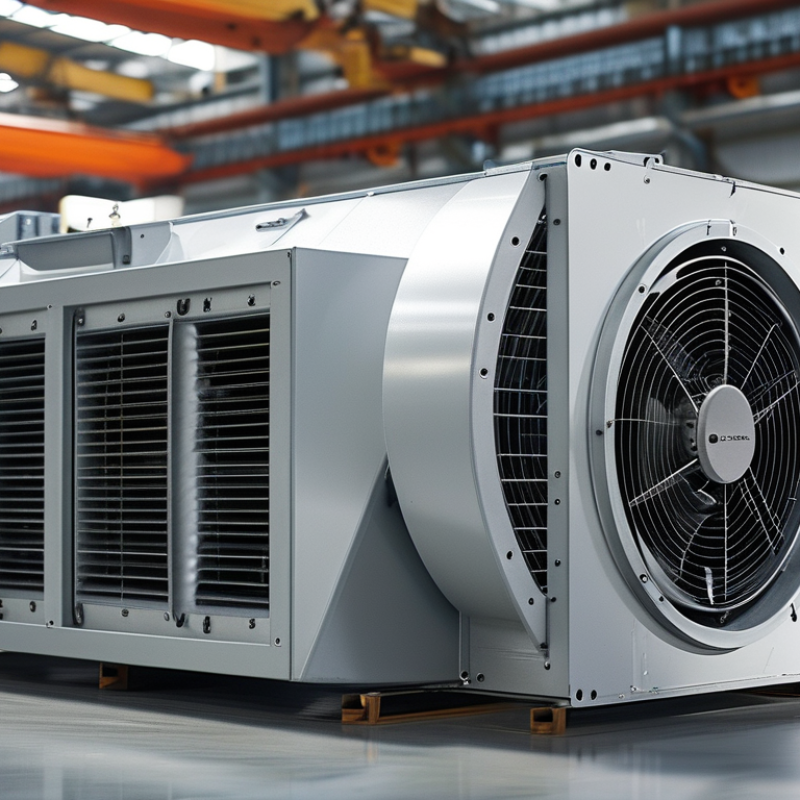
Benefits of Axial Fans in Industrial Applications
Axial fans play a crucial role in various industrial applications. Their design allows for efficient airflow in situations where space is limited. This characteristic is particularly valuable in tight spaces like manufacturing plants or data centers. Axial fans can move large volumes of air at relatively low pressures. This makes them suitable for cooling and ventilation tasks where high resistance is not a factor.
One significant advantage of axial fans is their simplicity. With fewer moving parts, they usually require less maintenance. This can lead to reduced operational expenses over time. However, users must be aware that they may struggle with some conditions. For instance, if faced with high static pressure, axial fans may underperform. Therefore, careful planning is essential to ensure they meet specific needs.
Energy efficiency is another vital aspect. Modern axial fans are designed to consume less power while delivering high performance. This can result in significant savings on energy bills. However, the quality of installation plays a crucial role in achieving this efficiency. An improperly installed fan can lead to wasted energy and reduced effectiveness. Thus, investing in professional installation is always recommended.
Efficiency Metrics: Airflow vs. Energy Consumption in Axial Fans
When considering axial fans for industrial applications, efficiency is critical. Two primary metrics define their performance: airflow and energy consumption. Axial fans are designed to move large volumes of air while maintaining relatively low energy usage. This balance is essential for various industrial settings, where efficient airflow can lead to improved operational conditions.
Airflow measures the volume of air a fan can move. Higher airflow leads to better ventilation and cooling. Yet, it's essential to analyze it alongside energy consumption. Some fans might boast high airflow but at a steep energy cost. Industries must assess this relationship carefully. A fan that uses more energy can substantially increase operating costs over time.
Choosing the right axial fan requires a nuanced understanding of these metrics. It's advisable to look at the fan's performance curve, which illustrates airflow against power consumption. This curve helps users spot the most efficient operating range. Users should reflect on their specific needs and usage patterns. A one-size-fits-all solution may not exist.
Comparison of Axial Fans with Other Fan Types: Advantages and Disadvantages
Axial fans are often the preferred choice for various industrial applications due to their unique design and efficiency. They operate by moving air parallel to the axis of the fan, which allows them to deliver a high volume of airflow at low pressure. According to a recent report from the American Society of Heating, Refrigerating and Air-Conditioning Engineers (ASHRAE), axial fans can provide an airflow rate of up to 100,000 cubic feet per minute (CFM), which makes them suitable for ventilating large spaces.
When comparing axial fans to centrifugal fans, several advantages and disadvantages emerge. Centrifugal fans typically generate higher static pressures, making them ideal for applications requiring airflow against resistance. However, axial fans excel in scenarios needing high flow rates and simplicity in design. They often have lower energy consumption, which can lead to cost savings in large operations. The downside is their susceptibility to noise, especially at higher speeds. A study by the Department of Energy indicates that up to 40% of energy used in commercial buildings can be attributed to fan systems, emphasizing the importance of selection based on specific needs.
Maintaining axial fans is also essential, as dust accumulation can hinder performance. While their efficiency is noteworthy, neglecting regular maintenance can lead to reduced airflow and increased operational costs. Balancing performance with maintenance needs is key. Thus, choosing the right fan involves weighing initial investment costs against long-term operational expenses. It’s not just about airflow; it’s about ensuring longevity and efficiency in any industrial context.
Why Choose an Axial Fan for Your Industrial Needs? - Comparison of Axial Fans with Other Fan Types: Advantages and Disadvantages
| Fan Type | Advantages | Disadvantages | Best Use Cases |
| Axial Fan | High airflow rates, compact design, energy-efficient | Limited pressure capabilities, noise level can be high | Ventilation in warehouses, cooling in industrial processes |
| Centrifugal Fan | High-pressure capabilities, versatile applications | Larger size, generally less energy-efficient than axial fans | Dust collection systems, air conditioning systems |
| Mixed Flow Fan | Combines features of axial and centrifugal, good efficiency | More complex design, potentially higher cost | Cooling towers, HVAC systems |
| Blower | High-pressure output, can handle high resistance | Less efficient for high airflow, can be bulky | Industrial vacuum systems, pneumatic conveyors |
Common Industrial Uses of Axial Fans: Case Studies and Data Insights
Axial fans play a vital role in various industrial applications. They are widely used in cooling systems, ventilation, and exhaust processes. In one case study, a manufacturing facility improved its air circulation using axial fans. This adjustment led to enhanced worker comfort and increased productivity. Employees reported a noticeable drop in heat discomfort during warm months.
In another example, a greenhouse utilized axial fans for improved airflow. This setup significantly boosted plant health and respiration rates. Data showed that the plants thrived better with controlled climate conditions. However, it’s essential to assess the placement and rotation direction of fans. Incorrect setups can lead to less effective airflow. Always consider local environmental factors for better results.
Despite the apparent advantages, choosing the right axial fan requires careful analysis. Each industrial setting is unique. One size does not fit all. Conducting thorough testing will ensure optimal efficiency. Monitoring and maintenance should not be overlooked. Regular checks can prevent potential breakdowns and improve longevity.
Maintenance and Longevity: Optimizing Performance of Axial Fans
When considering axial fans for industrial applications, maintenance plays a crucial role in ensuring longevity. Regular inspections can identify potential issues before they escalate. Dust accumulation and foreign objects can hinder performance. Cleaning the blades and housing periodically can significantly improve airflow efficiency. The orientation of the fan also matters; it should allow for optimal airflow and minimize strain.
The motor and bearings of axial fans require attention. Lubrication helps reduce friction and extends the lifespan of these components. However, it's essential to use the correct type and amount of lubricant. Over-lubrication can lead to contamination and damage. Monitoring the fan's vibration and noise levels can also provide insight into its health. Changes in these factors may indicate the need for service or replacement.
Operators should document maintenance activities. This record helps identify patterns and potential problems. Staff training on proper maintenance techniques is equally important. A lack of knowledge can lead to mistakes, affecting the fan's performance. The goal is to create a culture of care around equipment. Addressing weaknesses in the maintenance process can lead to better efficiency and reduced costs over time.