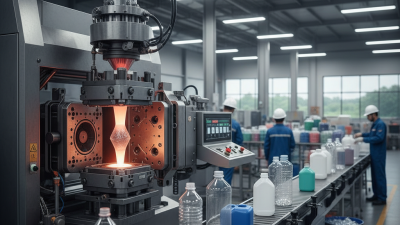
Choosing a blow molding machine is not just a question of output speed. It affects bottle weight, wall thickness, energy use, floor space, and daily changeover time. A compact extrusion blow molding line may suit a small container range. A high-cavitation injection stretch blow molding system may fit demanding PET production. The right answer depends on the product, resin, target volume, and available operators.
One practical principle guides this overview: “Match the machine to the container and production plan, not to the biggest number on the brochure.” This is an original editorial line, not a verified quotation from a named industry expert. No source or expert name was provided, so attributing it to a real person would be unreliable. For a published article, add a sourced quotation from a qualified blow molding specialist.
The Top 10 Types of Blow Molding Machines for Global Buyers compares the main technologies, including extrusion, injection, stretch, and reheat systems. It also considers single- and multi-station designs, shuttle machines, and continuous production lines. Buyers will see where each type can work well, and where trade-offs matter. A fast machine can still be a poor fit if its molds, utilities, or service support are difficult to secure. Real production is less tidy than a catalog suggests. That deserves attention. A careful shortlist should start with sample containers, cycle-time targets, maintenance access, and the supplier’s documented support—not a bold sales claim.
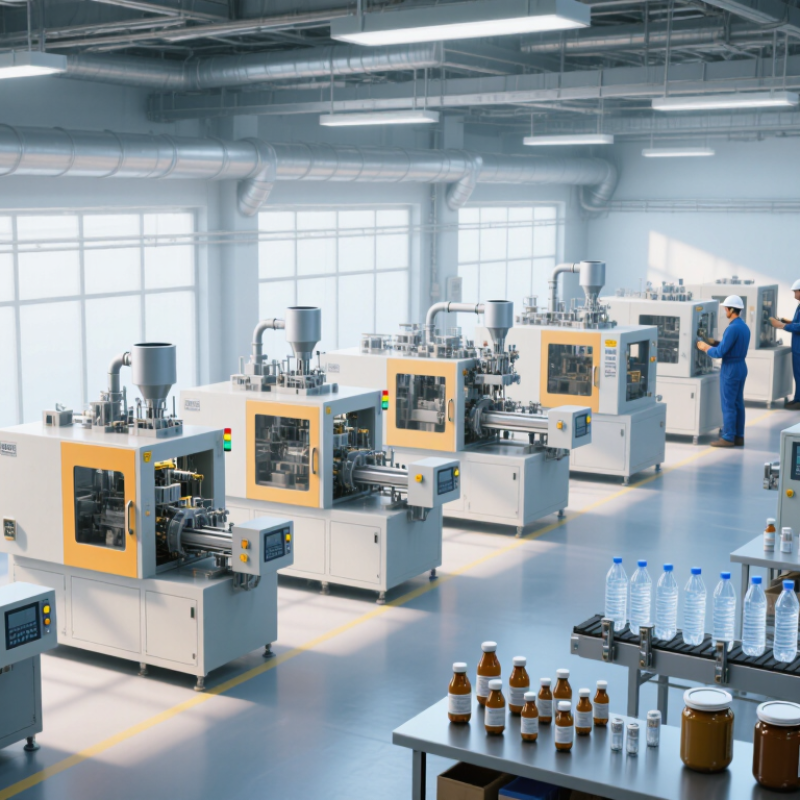
Blow molding forms hollow products by expanding heated plastic inside a mold. The process sounds simple. Control is not. In extrusion blow molding, a hot tube of plastic, called a parison, hangs between open mold halves. The mold closes, air inflates the tube, and the cooled part is released. This method suits containers, ducts, and other hollow shapes. Injection blow molding first forms a preform around a core pin, then blows it into a finished shape. PET bottles are commonly made with injection stretch blow molding, which stretches the preform as air expands it.
Material choice affects more than strength. Polyethylene is widely used for bottles and drums because it processes well and resists many impacts. PET offers clarity and stiffness, but its processing needs careful temperature control. Consider the product’s contents, wall thickness, weight, and expected use. A resin that looks suitable on paper may behave differently on a production line. Details matter.
Machine categories reflect these process differences. Buyers may compare extrusion, injection, and stretch blow molding machines, then assess single-station, rotary, or shuttle layouts. Output targets, mold changes, floor space, and operator access all matter. A machine’s rated speed does not guarantee the same pace with every mold or material. Real production is messier. Trial runs often reveal small issues, such as uneven wall thickness near a handle or excess trimming around the mold seam.
| Machine Type | Basic Process | Common Materials | Typical Products | Buyer Considerations |
|---|---|---|---|---|
| Continuous Extrusion Blow Molding | A continuously extruded molten parison is captured in a mold, inflated, cooled, and removed. | HDPE, LDPE, PP, PVC, and some engineering thermoplastics, subject to machine and mold design. | Bottles, jerrycans, and other hollow containers. | Often suited to steady production. Assess parison control, output rate, mold changes, and material usage. |
| Accumulator-Head Extrusion Blow Molding | An accumulator collects a measured melt shot, then rapidly extrudes a parison for molding. | HDPE, PP, and other compatible thermoplastics. | Large containers, drums, tanks, and industrial hollow parts. | Useful for large parisons that would otherwise sag during a long extrusion cycle; check shot capacity and part dimensions. |
| Shuttle-Type Extrusion Blow Molding | Mold stations move between the parison-extrusion position and the blowing or cooling position. | HDPE, PP, LDPE, and other suitable extrusion-blow-molding resins. | Containers and hollow parts across a range of sizes. | Compare station layout, mold accessibility, cycle time, and whether the machine suits the planned production volume. |
| Rotary-Wheel Extrusion Blow Molding | Molds travel on a rotating wheel through parison capture, blowing, cooling, and part removal stages. | Commonly HDPE and other compatible extrusion-blow-molding materials. | High-volume bottles and containers. | Designed for continuous production; evaluate line speed, changeover requirements, floor space, and maintenance access. |
| Multi-Head Extrusion Blow Molding | Multiple parisons are extruded and molded in parallel during a cycle. | Typically HDPE, PP, and other compatible thermoplastics. | Small bottles and containers produced in multiple cavities or lanes. | Can increase output for suitable part sizes. Confirm cavity balance, mold configuration, and downstream handling capacity. |
| Co-Extrusion Blow Molding | Two or more extruders feed a die head that forms a parison with distinct material layers. | Combinations may include PE with a barrier layer such as EVOH, using suitable tie layers when required. | Barrier containers for products requiring reduced gas or vapor transmission. | Check layer structure, resin compatibility, barrier requirements, and the complexity of material feeding and process control. |
| Injection Blow Molding | A preform is injection-molded around a core rod, transferred to a blow mold, and expanded without stretch-rod stretching. | PP, PE, and other materials selected for the part and process. | Small, precise containers, including pharmaceutical and personal-care packaging. | Can provide accurate neck finishes and avoid a separate trim step for many designs; assess tooling cost and container geometry. |
| One-Step Injection Stretch Blow Molding | Preform injection molding and stretch blowing occur in sequence within one integrated production system. | Primarily PET; other resins require process-specific validation. | Small to medium PET bottles and containers. | Preforms are molded and blown in the same system. Compare integrated cycle capacity, cooling needs, and production flexibility. |
| Two-Step Reheat Stretch Blow Molding | Preforms are made separately, reheated, then stretched and blown in a second machine. | Primarily PET. | Beverage bottles and other PET packaging. | Separating preform production from bottle blowing can support flexible capacity planning; consider preform supply, heating, and line integration. |
| 3D Suction Blow Molding | A heated parison is guided into a shaped cavity, often using suction through the mold, then inflated to form a three-dimensional part. | Commonly engineering thermoplastics such as polyamide, as well as other grades validated for the application. | Curved ducts, air-intake components, and other three-dimensional hollow parts. | Useful for complex part paths and reduced weld lines in suitable designs; confirm part geometry, material grade, and tooling requirements. |
Machine categories can overlap: for example, an extrusion blow molding machine may also use an accumulator head, multiple heads, or co-extrusion. Final material suitability depends on the part design, resin grade, and process conditions.