2026 Best Rotomolding Applications and Innovations to Know?
The rotomolding industry has witnessed significant growth and innovation in recent years. According to a Global Market Insights report, the rotomolding market is expected to surpass $10 billion by 2026. This rise is driven by advancements in production techniques and the increasing demand for lightweight and versatile products across various sectors.
Innovative applications of rotomolding are transforming industries like automotive, consumer goods, and agriculture. For instance, rotomolded components are becoming highly sought after for their durability and design flexibility. Companies are now experimenting with new materials, enhancing the performance characteristics of rotomolded products, and meeting specific consumer needs. However, the journey is not without challenges, particularly in balancing cost and quality.
As we explore the best rotomolding applications and innovations in 2026, it is essential to consider the evolving landscape. The industry's commitment to sustainability and efficiency remains critical. Flaws exist, and continuous improvement is necessary. Integrating feedback from experts will help refine processes and products. This introduction sets the stage for a deeper look into what shapes the future of rotomolding applications.

Overview of Rotomolding Technology Advances in 2026
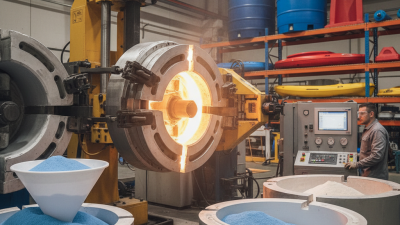
In 2026, the rotomolding industry showcases significant technological advancements. The technique involves heating plastic to create durable products. This year, innovations focus on sustainability and efficiency. A report from Smithers predicts the global rotomolding market will grow by 6.2% annually. This growth encourages companies to explore eco-friendly materials.
Innovative manufacturing techniques include the use of bio-resins and advanced mold designs. These developments enhance product quality while reducing wasted resources. Research indicates that nearly 40% of manufacturers are integrating recycled materials into their processes. This commitment to sustainability is key in today’s market.
Tip: Consider exploring partnerships with local suppliers of eco-friendly materials. Collaboration can yield new insights and improve your product range.
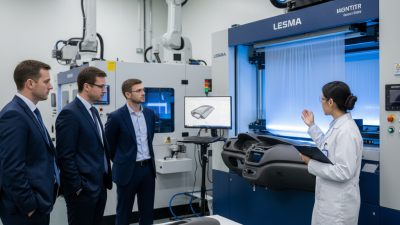
Another trend is the adoption of automation in rotomolding. Automated systems can improve precision and reduce labor costs. However, not all companies are ready for this shift. Many still rely on traditional methods, which can hinder efficiency. Regular training for staff is essential to bridge the technology gap.
Tip: Invest in training programs to upskill your workforce. A knowledgeable team can effectively navigate new technologies and processes.
2026 Best Rotomolding Applications and Innovations to Know
| Application |
Innovative Feature |
Material Type |
Environmental Impact |
| Water Tanks |
Enhanced UV Resistance |
Polyethylene |
Recyclable Materials |
| Automotive Parts |
Weight Reduction Technology |
Nylon Composites |
Lower Fuel Consumption |
| Playground Equipment |
User-Friendly Designs |
HDPE |
Non-Toxic Materials |
| Outdoor Furniture |
Weather Resistance |
Recycled Plastic |
Sustainable Sourcing |
| Storage Containers |
Stackable Design |
Polypropylene |
Efficient Use of Space |
Key Innovations in Rotomolding Materials for 2026
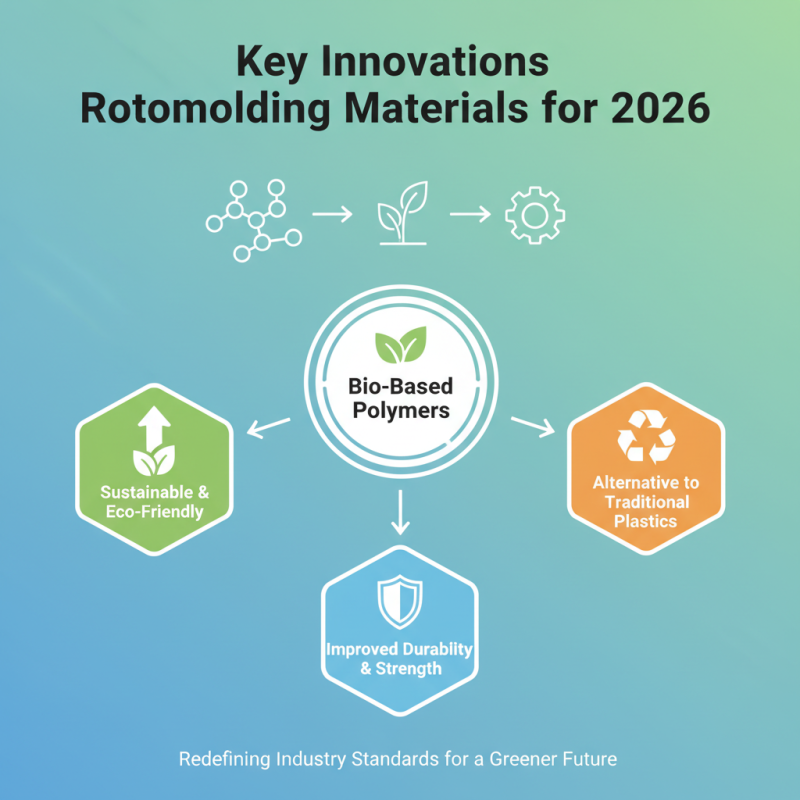
The landscape of rotomolding is evolving rapidly. Innovations in materials for 2026 promise to redefine industry standards. One of the most exciting developments is the use of bio-based polymers. These materials are not only sustainable but also offer improved durability. They present a compelling alternative to traditional plastics, emphasizing environmental responsibility.
Another breakthrough is the enhancement of composite materials. These composites combine the strength of metals with the lightweight features of polymers. This results in products that are both resilient and energy-efficient. As manufacturers adopt these materials, we can expect lighter products that maintain structural integrity.
**Tip:** Always consider the lifecycle of materials. The right choice can increase product lifespan and reduce waste.
Additionally, advancements in color-matching technology have made a significant impact. It allows precise color control during production, enhancing aesthetic appeal. This innovation may seem minor, but it can significantly influence consumer choice.
**Tip:** Experiment with different materials to discover unique combinations. This can lead to unexpected but valuable product variations.
Embracing these innovations may require a shift in thinking. It’s essential for manufacturers to remain adaptable to achieve the best results.
Top Applications of Rotomolding Across Industries in 2026
Rotational molding continues to evolve across various industries in 2026. This versatile manufacturing method is now prominently used in sectors such as automotive, marine, and agricultural equipment. According to a recent industry report, the global rotomolding market is expected to reach a valuation of $8.7 billion by 2027, growing at a compound annual growth rate (CAGR) of 5.1% from 2022. This growth is driven by increasing demand for lightweight, durable products.
One notable application is in the production of large containers, like fuel tanks. These tanks are manufactured using rotomolding due to their seamless construction and resistance to corrosion. Another application can be found in the marine industry, where rotomolded hulls and pontoons are increasingly popular. They offer exceptional buoyancy and flexibility under varying conditions. However, concerns about environmental impacts and sustainability persist.
The technology is also being applied in custom playground equipment. Many municipalities are turning to rotomolding for its ability to create safe, colorful, and engaging designs. Yet, the challenge of waste management and recycling of rotomolded products remains under discussion. As the industry progresses, balancing innovation with sustainability will be key. Understanding these trends will be essential for stakeholders looking to benefit from rotomolding innovations in the years to come.
Sustainability Trends in Rotomolding Practices for 2026
Sustainability is at the forefront of rotomolding practices in 2026. As industries seek to reduce their environmental impact, innovative approaches are emerging. One key trend is the increased use of recycled materials. Companies are now incorporating post-consumer plastic waste into their rotomolded products. This shift not only reduces landfill waste but also conserves natural resources.
Another significant trend is the adoption of energy-efficient processes. Manufacturers are investing in advanced machinery that lowers energy consumption during production. This move is crucial as energy costs rise. However, this transition requires careful planning and investment, which can be challenging for smaller businesses.
Balancing sustainability with profitability continues to be a delicate dance.
Moreover, consumer awareness around sustainability is driving change. Buyers increasingly seek products that align with their values. This demand pushes manufacturers to explore eco-friendly designs. Despite the progress, many companies grapple with the complexities of sustainable sourcing. The path to truly sustainable rotomolding is filled with hurdles. Each innovation presents its own set of challenges, requiring ongoing reflection and adaptation.
Future Prospects and Challenges in Rotomolding Innovations Beyond 2026
The future of rotomolding holds significant promise, but it also brings a set of challenges. As industries continue to seek innovative, sustainable solutions, rotomolding's adaptability will be tested. Key areas for advancement include materials technology and automated processes. These innovations could lead to reduced production times and lower costs.
Tips: Stay updated on new materials. Experiment with eco-friendly options in your projects. Consider automation to improve efficiency.
Nevertheless, several obstacles could hinder progress. The industry must navigate issues like scaling up production without compromising quality. Designers must learn to balance creativity and practicality in their innovations. This could mean re-evaluating long-standing methods that may no longer meet today's demands.
Tips: Collaborate with different teams for fresh perspectives. Encourage a culture of feedback to refine designs continuously. Don't shy away from trial and error; it's part of growth.