Best Poly Storage Tanks for Safe and Efficient Storage?
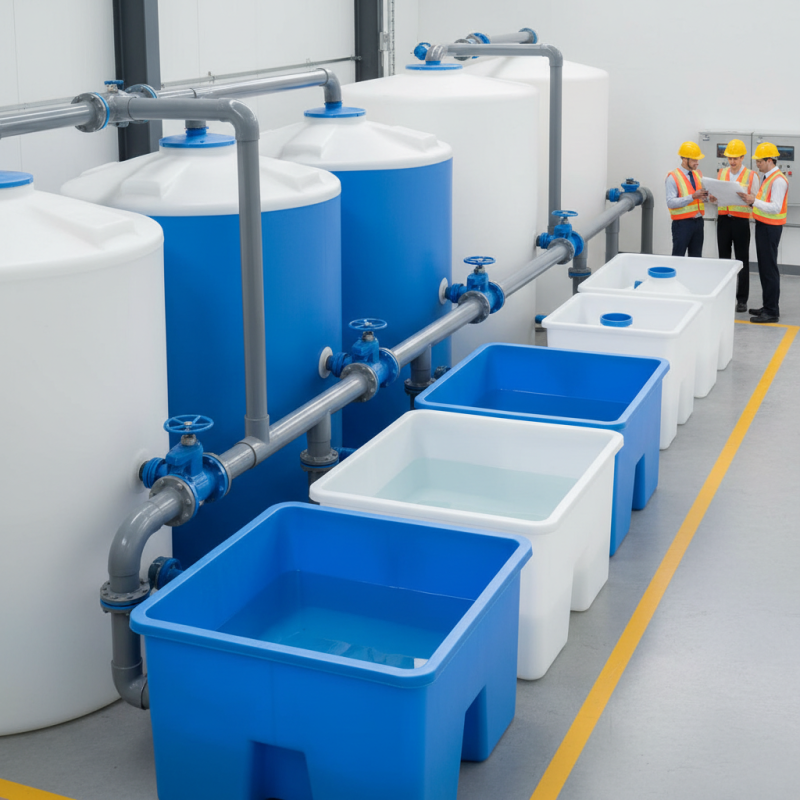
In the field of storage solutions, poly storage tanks are gaining significant attention. These tanks are known for their durability, chemical resistance, and versatility. Businesses use them for various liquids and substances. However, not all poly storage tanks are created equal.
Choosing the right tank requires careful consideration of materials and design. Some tanks may not withstand extreme conditions. While poly storage tanks can offer excellent longevity, improper selection can lead to issues. It’s crucial to evaluate factors such as capacity, shape, and intended use.
These considerations highlight the importance of expertise when selecting poly storage tanks. The right tank can enhance efficiency and safety. However, a lack of knowledge can lead to expensive mistakes. Understanding the nuances of poly storage tanks is essential for effective storage solutions.
Overview of Poly Storage Tanks and Their Applications
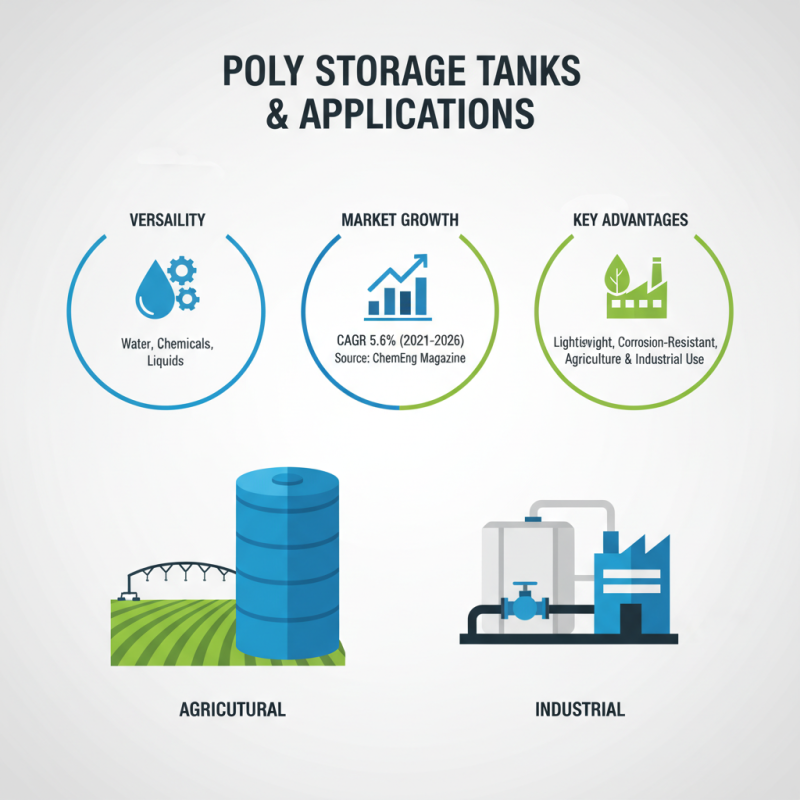
Poly storage tanks are increasingly recognized for their versatility in various industries. These tanks are commonly used for storing water, chemicals, and other liquids. According to a report by the Chemical Engineering Magazine, the poly tank market has experienced continuous growth, with a projected CAGR of 5.6% from 2021 to 2026. Their lightweight design and corrosion resistance make them particularly suitable for agricultural and industrial applications.
The key applications of poly storage tanks include agricultural use, waste management, and water treatment. In agriculture, they hold fertilizers and pesticides, allowing for efficient distribution. The American Society of Agricultural and Biological Engineers highlights that efficient storage can reduce spills and minimize environmental impacts. Despite these benefits, there are concerns about the long-term durability of some poly materials under extreme conditions. Regular inspections and maintenance are crucial to ensure they remain functional and safe for liquid storage.
While poly tanks offer advantages, such as lower manufacturing costs, they aren't without challenges. Some users report issues with UV degradation over time, impacting the tank's integrity. It's essential to factor in environmental conditions when selecting a poly tank. Careful attention is required to ensure the tanks meet safety standards and perform reliably in various applications. Ultimately, understanding the material properties and their limitations is vital for effective use.
Key Features to Consider When Choosing Poly Storage Tanks
When selecting poly storage tanks, several key features demand attention. Material thickness is crucial; thicker walls often indicate better durability. According to industry standards, tanks with a minimum wall thickness of 1/4 inch can better withstand environmental stress and impacts. This level of robustness can significantly extend the tank's lifespan, giving peace of mind to operators.
Another vital consideration is UV resistance. Prolonged exposure to sunlight can degrade poly tanks over time. A study by the American Society for Testing and Materials (ASTM) found that UV-stabilized tanks can last up to 10 times longer when exposed to harsh sunlight. Operators should also assess the tank's shape and design. Vertical tanks typically save space but may not distribute weight as evenly as horizontal ones. This could lead to issues with stress and stability.
Finally, tank capacity shouldn't be overlooked. It’s essential to match the tank size with actual storage needs. Oversized tanks can lead to unnecessary costs. Research indicates that tanks filled to over 90% capacity often experience swelling, thus affecting structural integrity. Evaluating these aspects, one can make informed decisions that prioritize safety and efficiency.
Types of Poly Storage Tanks: Materials and Designs
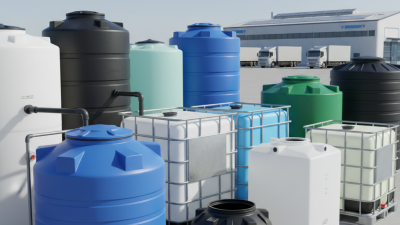
Poly storage tanks are vital in various industries for safe and efficient storage. They come in multiple materials and designs, catering to specific needs. Common types include polyethylene (PE) tanks, which resist corrosion and UV exposure. In fact, industry reports indicate that over 60% of storage operations prefer these options for their durability and cost-effectiveness.
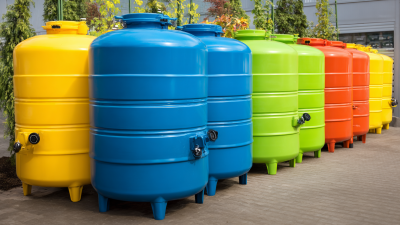
Designs of poly tanks vary significantly. Vertical and horizontal tanks serve different space requirements. A vertical tank might fit into a compact area, while horizontal tanks offer stability and extensive storage capacity. Notably, many tanks are designed with specific features like multiple outlet ports and integrated baffles to reduce fluid movement. However, it’s important to consider tank capacity; overestimating needs can lead to waste.
Safety remains a concern with poly tanks. Improper installation can lead to leaks or environmental hazards. The right design and thorough assessment of storage conditions are crucial. Reports show that poorly managed tank systems often face regulatory scrutiny. Regular maintenance checks are essential for longevity and compliance. Understanding these factors empowers users to make informed choices in their storage solutions.
Safety Standards and Regulations for Poly Storage Tanks
When it comes to poly storage tanks, safety is paramount. These tanks must comply with strict regulations to ensure safe handling and storage of materials. The materials used for construction should meet industry standards for chemical resistance. Various tests are conducted to assess leaks and structural integrity. Ensuring tanks are certified can help prevent potential accidents and environmental harm.
Regular inspections are also vital in maintaining safety. Signs of wear, corrosion, or damage should be monitored closely. Operators should receive training on proper handling and emergency procedures. A written safety plan is often necessary, detailing how to respond to spills or failures. This proactive approach not only safeguards the environment but also protects personnel.
Choosing the right tank involves understanding the materials being stored and the local regulations. Some users may overlook site-specific factors, leading to inappropriate selections. Consulting with experts can provide clarity. Ultimately, all practices should reflect a commitment to safety and efficiency in the storage of materials. This is a crucial aspect that safeguards both people and the planet.
Maintenance Tips for Ensuring Longevity of Poly Storage Tanks
Maintaining poly storage tanks is crucial for their longevity. Regular inspections are essential. Look for cracks, leaks, or discoloration. Small issues can escalate quickly if ignored. A thorough check every few months helps identify potential problems.
Cleaning is another key aspect of maintenance. Use mild detergents and avoid harsh chemicals. A gentle scrubbing can effectively remove buildup. Rinse thoroughly to prevent residue. This not only extends the life of the tank but also ensures that the stored products remain uncontaminated.
Temperature control is vital. Extreme heat can warp poly tanks, while cold can make them brittle. Store tanks in shaded areas or insulated enclosures when possible. Proper venting also plays a role in preventing pressure buildup. Regular maintenance may seem tedious, but neglecting it can lead to costly repairs or replacements.
Best Poly Storage Tanks for Safe and Efficient Storage - Maintenance Tips for Ensuring Longevity of Poly Storage Tanks
| Tank Type |
Capacity (Gallons) |
Material |
UV Protection |
Estimated Lifespan (Years) |
Maintenance Tips |
| Horizontal Tank |
500 |
Polyethylene |
Yes |
20 |
Clean regularly and check for leaks |
| Vertical Tank |
1000 |
Polypropylene |
Yes |
25 |
Inspect joints and fittings regularly |
| Dual Wall Tank |
2000 |
Polyethylene |
Yes |
30 |
Ensure proper insulation and shading |
| Flat Bottom Tank |
1500 |
HDPE |
Yes |
15 |
Monitor for structural integrity |