
What Is the Best Dewatering Screw Press for 2026?

Choosing the right Dewatering Screw Press for 2026 requires more than comparing brochures or advertised capacity. Sludge varies widely between municipal plants, food factories, paper mills, and industrial facilities. A press handling thick biological sludge may struggle with fibrous waste. That difference matters.

This guide examines practical performance, not just laboratory claims. It considers throughput, dry solids content, polymer use, energy demand, noise, maintenance access, and operator experience. A reliable machine should produce consistent cake without constant adjustments. Look closely at the screw design, screen construction, wash-water system, and control panel. Small details often shape long-term operating costs.

No machine wins everywhere. That is the uncomfortable part. A compact press may suit a small plant, yet disappoint during seasonal production peaks. A larger unit may offer reserve capacity but waste energy when lightly loaded. Real selection depends on feed testing, installation space, local service support, and realistic operating hours. Those factors deserve more attention than impressive catalog numbers. The strongest recommendations should connect measurable data with field experience, supplier documentation, and transparent limitations. Some results will remain uncertain until the sludge is tested under changing conditions. That is not a weakness; it is a reason to plan carefully. This article compares the leading options for 2026, helping buyers identify a Dewatering Screw Press that fits their process, budget, and maintenance capability.
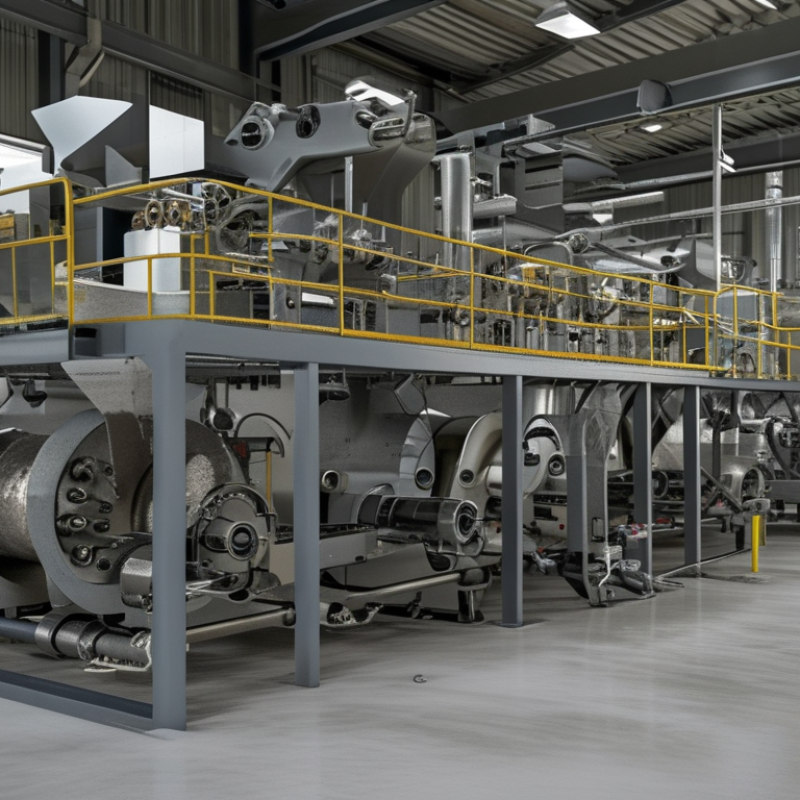
What Is the Best Dewatering Screw Press for 2026?

What Is a Dewatering Screw Press and How Does It Work?

What Is the Best Dewatering Screw Press for 2026?

A dewatering screw press separates water from sludge through slow, controlled compression. Sludge enters a perforated cylindrical screen. A rotating screw moves it forward. The screw gradually reduces the available space. Pressure increases as the outlet backpressure rises. Free water drains through the screen openings, while thicker solids leave the discharge end.

This process usually produces sludge with about 15–30% dry solids, depending on feed characteristics and polymer conditioning. Actual results vary widely. The U.S. Environmental Protection Agency’s Biosolids Technology Fact Sheet series identifies polymer selection, screen design, and feed consistency as major performance factors. The Water Environment Federation also emphasizes testing under real operating conditions. EPA’s 2023 Clean Watersheds Needs Survey estimated $630.1 billion in U.S. wastewater infrastructure needs, making lower-energy dewatering increasingly important. A screw press often uses less energy than high-speed centrifuges, but it may require more floor space.

Tips: Test several polymer doses before choosing equipment. Check filtrate clarity beside the machine, not only in laboratory samples. Monitor torque, feed pressure, moisture, and dry-solids output every shift. Clean the screen promptly after operation. Small oversights matter. I would not trust a “best” rating without site-specific trials. Seasonal sludge changes can quietly reduce capacity, and published performance numbers may look better than field results.

Which Wastewater Conditions Require a Dewatering Screw Press?

What Is the Best Dewatering Screw Press for 2026?

Which Wastewater Conditions Require a Dewatering Screw Press?

A dewatering screw press suits wastewater plants producing continuous, moderate-volume sludge. It performs well with waste activated sludge, primary sludge, and mixed municipal sludge. The best feed usually contains roughly 0.5–3% total solids before thickening. Polymer conditioning improves floc strength and water release. Without it, the filtrate may look cloudy, and the cake may remain soft.

This matters globally. The UN-Water SDG 6 Synthesis Report 2023 found that only 56% of domestic wastewater flows received safe treatment in 2022. More treatment creates more residual sludge. A screw press can reduce sludge volume while using relatively low energy and limited wash water. It also handles long operating periods with gradual, controlled dewatering. That can help smaller facilities where skilled operators are not always available.

However, difficult sludge needs caution. High oil content, excessive grit, sharp fibers, or poorly conditioned biological sludge can cause clogging and unstable cake formation. High-temperature wastewater may also change polymer performance. Test the actual sludge, not a similar sample. This is where many designs fail. A reported 18–25% cake solids level may be possible, but results depend heavily on feed concentration, polymer selection, and drainage behavior. Site trials remain more reliable than brochure figures.

What Is the Best Dewatering Screw Press for 2026?

Which Wastewater Conditions Commonly Require a Dewatering Screw Press?

A dewatering screw press is commonly considered for wastewater sludges with low-to-moderate solids content, continuous flow, and a need for relatively low-energy mechanical dewatering. The chart shows representative inlet dry-solids ranges for common sludge conditions. Actual values vary with treatment process, polymer conditioning, temperature, and sludge age.

Waste activated sludge and dissolved-air-flotation sludge often benefit from polymer-assisted screw pressing because they are dilute and difficult to settle. Mixed municipal sludge, food-processing biological sludge, and anaerobically digested sludge are also suitable when continuous operation, low wash-water use, and moderate cake dryness are priorities. Very abrasive, highly fibrous, or exceptionally high-solids sludge may require alternative or additional dewatering equipment.

How to Compare Dewatering Screw Press Types for 2026

What Is the Best Dewatering Screw Press for 2026?

How to Compare Dewatering Screw Press Types for 2026

Selecting the best dewatering screw press starts with the sludge, not the equipment brochure. Shaftless screw presses handle fibrous sludge well and reduce clogging around the central shaft. Their open design also makes visual inspection easier. Multi-disc presses use moving and fixed rings to remove water gradually. They often perform quietly and consume less power. Conventional screw presses can provide strong dewatering when feed conditions remain stable.

Compare each type using real operating data. Check daily throughput, dry solids content, polymer demand, and filtrate clarity. A press handling 5% solids may behave very differently at 2%. Ask for test results using your own sludge. Short demonstrations can hide seasonal changes. They can mislead.

Maintenance needs deserve equal attention. Inspect spray bars, wear surfaces, bearings, and automatic lubrication points. A compact frame may save floor space but complicate access during cleaning. Energy figures also need context. A low motor rating means little if polymer use rises sharply. Field evaluations often reveal this gap. Operators should record cleaning time, odor control needs, and unplanned stoppages for several months. No type wins every application. Even experienced teams sometimes choose a machine that performs well in testing but struggles with variable feed. That possibility should shape the purchase decision.

What Features Define the Best Dewatering Screw Press?

What Is the Best Dewatering Screw Press for 2026?

The best dewatering screw press is defined by measurable performance, not catalogue claims. Start with feed variability. Sludge may arrive thin, fibrous, gritty, or unusually warm. A reliable machine should handle these changes without constant operator intervention. Its low-speed screw must provide steady compression while limiting shear and polymer consumption. Polymer mixing matters greatly. Poor conditioning can produce cloudy filtrate, unstable cake, and unnecessary maintenance.

The 2024 WHO and UN-Habitat Progress on Wastewater Treatment report found that only 56% of domestic wastewater flows were safely treated in 2022.

This figure shows why compact, efficient solids handling remains important. A practical press should offer high solids capture, accessible spray bars, corrosion-resistant contact parts, and simple inspection points. Energy use deserves attention too. Published technical comparisons often place screw presses below centrifuges in power demand, but actual results depend on sludge concentration and polymer dosage. Field testing is essential.

Look beyond rated capacity. Ask for independent data on cake dryness, capture rate, noise, wash-water demand, and performance during low-load operation. Instrumentation should record torque, speed, pressure, and feed flow. I would also check cleaning time during a real maintenance shift. That detail is often missed. One weakness remains: laboratory trials can look excellent while seasonal sludge performs differently. A short on-site trial may reveal more than a polished brochure. (WEF, Manual of Practice No. 8; WHO/UN-Habitat, 2024)

How to Select and Operate a Dewatering Screw Press Safely

The best dewatering screw press for 2026 is not the largest model. It is the safest fit for your sludge.

EPA’s 2022 Clean Watersheds Needs Survey estimated 630.1 billion dollars in wastewater infrastructure needs. That scale increases pressure for reliable solids handling. Select equipment after measuring sludge flow, solids concentration, polymer demand, and peak loading. Ask for tested cake dryness, capture rate, wash-water use, and power consumption. A quoted capacity can look impressive. It may fail when sludge becomes colder, thicker, or more fibrous. Leave operating margin. Keep records.

Safety starts before installation. OSHA’s control-of-hazardous-energy guidance requires isolation, lockout, verification, and controlled restart. Guards must cover the screw, drive, and pinch points. Operators should never reach through a guard. Confirm zero movement before cleaning. Use non-slip flooring near the spray bar. Check emergency stops every shift. Inspect bearings, seals, torque alarms, and polymer lines. A blocked outlet can create sudden mechanical stress. Stand clear during troubleshooting. Wear eye, hand, hearing, and slip-resistant protection.

Operators should adjust one variable at a time. Start with lower feed flow and stable polymer dosing. Watch torque, filtrate clarity, cake texture, and vibration. Do not chase dry cake blindly. Excessive polymer can raise cost and worsen downstream handling. The imperfect part is unavoidable: laboratory trials cannot reproduce every seasonal condition. Review field data weekly, question abnormal trends, and revise settings cautiously.

We will help turn your vision into reality

Contact Us