What are the Benefits of Plastic Water Tanks for Storage?
In recent years, plastic water tanks have gained popularity in various sectors. Expert Dr. John Miller, a leading figure in water storage solutions, states, "Plastic water tanks offer unmatched durability and efficiency for storage needs." This highlights the essential role these tanks play in modern storage systems.
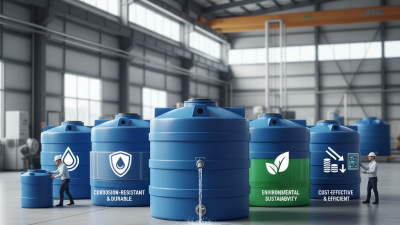
Plastic water tanks are lightweight and easy to transport. Their corrosion-resistant properties enhance longevity compared to traditional materials. Unlike metal tanks, they eliminate the risk of rust, making them suitable for various environments. However, some users may worry about potential UV degradation over time.
While the advantages are clear, challenges exist. Poorly manufactured tanks may warp or leak. It’s crucial to invest in quality brands. Choosing the right plastic water tank can add significant value to agricultural and industrial operations. Their versatility must not be overlooked in today’s storage solutions.
Advantages of Using Plastic Water Tanks for Storage
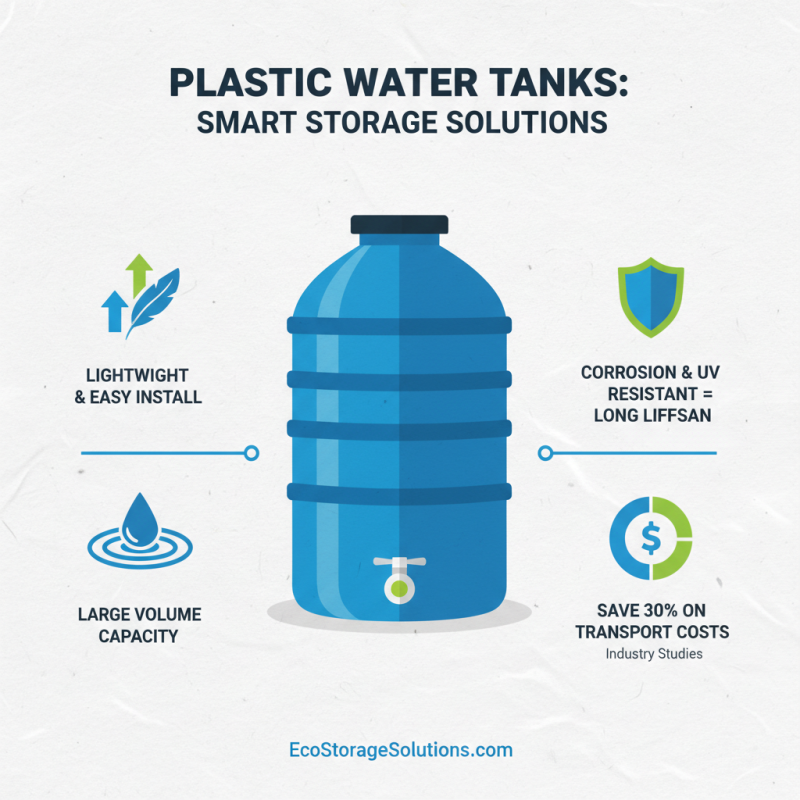
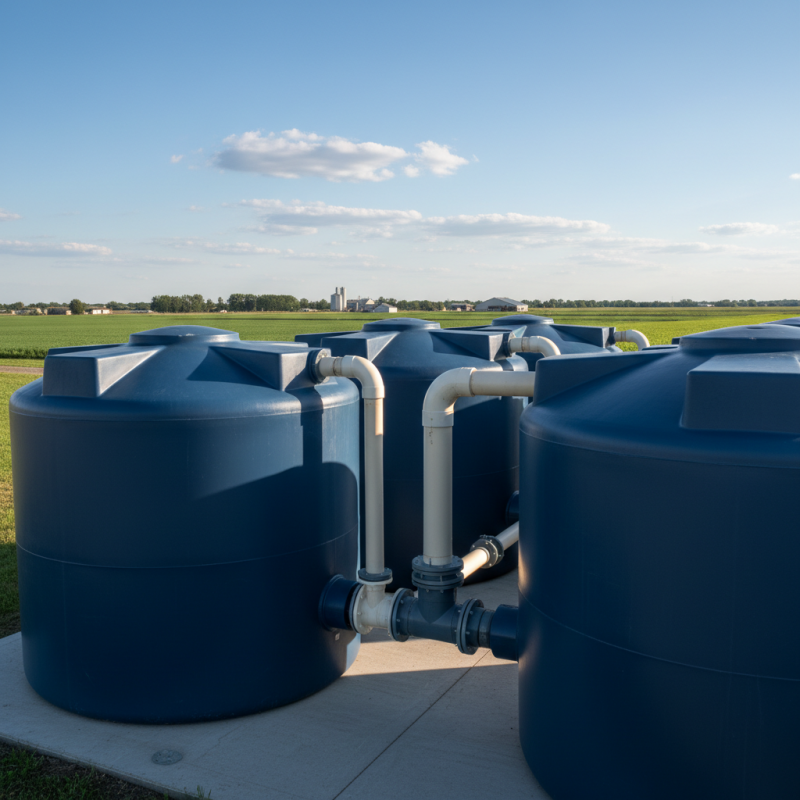
Plastic water tanks offer numerous advantages for storage. They are lightweight, making them easy to transport and install. Many tanks hold large volumes of water, providing solutions for both residential and commercial needs. In fact, industry studies reveal that using plastic tanks can reduce transportation costs by up to 30%. Their resistance to corrosion and UV radiation extends their lifespan, too, making them a smart investment.
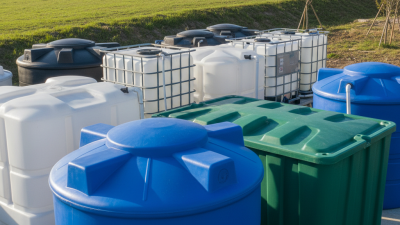
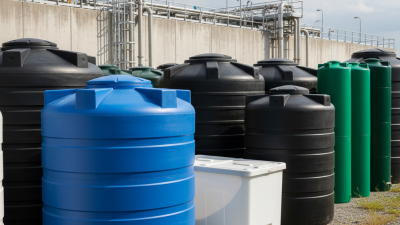
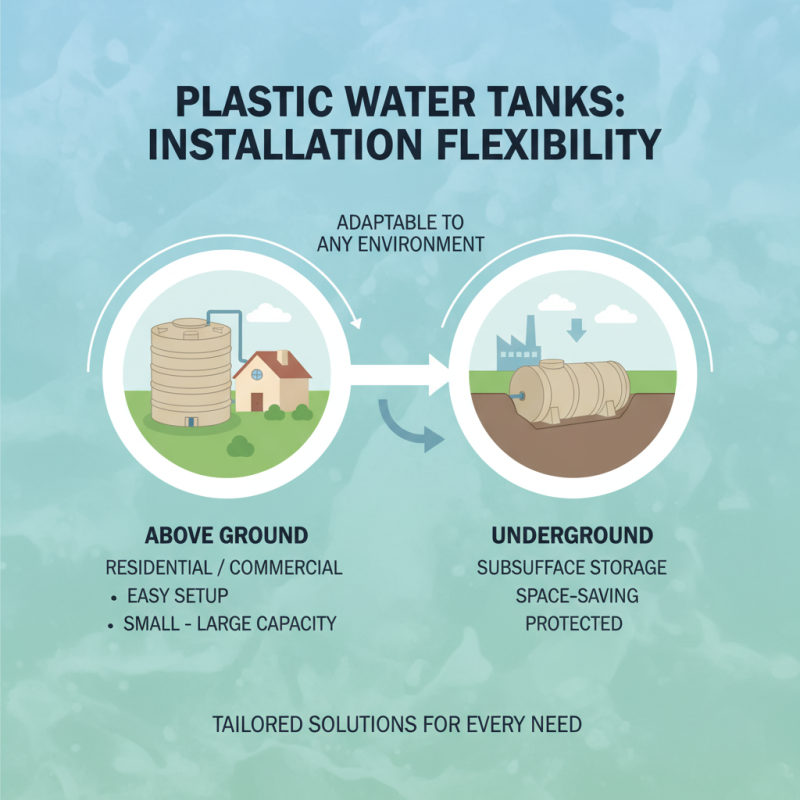
Using plastic tanks also enhances safety. They are typically made from food-grade materials, ensuring that stored water remains uncontaminated. Research indicates that plastic tanks can lower the risk of microbial growth compared to metal tanks. Additionally, they come in various sizes, allowing for flexible installations according to space requirements.
Tip: When choosing a plastic water tank, consider the local climate. High temperatures might affect the integrity of some tanks.
Maintenance is relatively simple, and many tanks require only occasional cleaning. However, it is essential to inspect them regularly for wear and tear. Even high-quality plastic tanks can become brittle over time, particularly if exposed to harsh weather consistently.
Tip: A visual inspection every few months can prevent larger issues down the line.
Durability and Longevity of Plastic Water Tanks
Plastic water tanks offer remarkable durability and longevity compared to traditional storage options. According to industry research, plastic tanks can last up to 30 years with minimal maintenance. This longevity stems from their resistance to corrosion and rust, making them suitable for various climates. For instance, in regions with high humidity, metal tanks often succumb to rust. This leads to costly replacements, but plastic tanks remain unaffected.
Moreover, plastic tanks are lightweight and easier to handle. Installation is typically simpler, reducing labor costs. However, it is important to remember that not all plastic is created equal. Low-quality plastics can degrade faster. Reports show that high-density polyethylene (HDPE) tanks outperform lower-grade materials in terms of lifespans. Choosing a reliable type is crucial for ensuring long-term service.
While there are advantages, challenges exist too. Over time, exposure to UV light can weaken plastic. Therefore, proper placement and shielding become essential. Some users have noticed discoloration in their tanks after prolonged sun exposure. This can raise concerns about the quality of storage. Observing maintenance practices is vital, even with durable products.
What are the Benefits of Plastic Water Tanks for Storage? - Durability and Longevity of Plastic Water Tanks
| Dimension |
Description |
Benefit |
Expected Lifespan |
| Corrosion Resistance |
Plastic tanks do not corrode like metal tanks. |
Longer lifespan, less maintenance. |
Up to 30 years |
| Lightweight |
Easier to transport and install. |
Reduced labor costs. |
N/A |
| UV Resistance |
Many plastic tanks are designed to resist UV rays. |
Prevents degradation and extends usability. |
10-30 years, depending on exposure |
| Cost-Effectiveness |
Generally less expensive than alternatives. |
Lower initial investment. |
N/A |
| Flexibility |
Can be molded into various shapes and sizes. |
Customizable for specific storage needs. |
N/A |
Cost-Effectiveness Compared to Other Storage Materials
When it comes to storage solutions, plastic water tanks stand out for their cost-effectiveness. They are often cheaper than metal or concrete alternatives. Their lightweight nature makes them easy to transport and install. This can significantly cut down labor costs.
Plastic tanks resist corrosion, making them a durable option. They don’t rust like metal tanks do. Over time, this saves money on maintenance and replacement. In many cases, the initial investment is lower, but the long-term savings are substantial.
Tips: Always consider tank size carefully. A larger tank might seem cost-effective, but it can lead to unnecessary expenses. Look into whether you need a reinforced base for your tank. While cost-effective, improper installation can lead to issues. Also, check for local regulations. Not all areas allow plastic tanks, even if they are cheaper.
Impact on Water Quality and Safety
Plastic water tanks have gained popularity for storage due to their affordability and durability. However, their impact on water quality and safety is a crucial aspect to consider. Many people underestimate how these tanks can influence the water stored within them. When not monitored properly, plastic can leach compounds, altering the water's taste and safety.
The materials used in some plastic tanks might not be entirely safe. This potential for contamination is concerning, especially in areas with fluctuating temperatures. Sunlight exposure can also lead to algae growth, which can affect both the clarity and safety of the water. Regular maintenance and cleaning are essential to mitigate these risks.
Choosing the right plastic tank involves more than just price. Inspection for damage or degradation is vital. Even small cracks can become sites for bacteria growth. People often overlook these factors, assuming that all plastic tanks are the same. Understanding how these elements affect water quality will lead to more informed decisions regarding long-term storage solutions.