Top Benefits of Using Plastic Tanks for Water Storage and Agriculture?
Water storage is vital in agriculture, and plastic tanks offer a practical solution. These durable containers can withstand various weather conditions. They are lightweight and easy to transport, making them ideal for many farms.
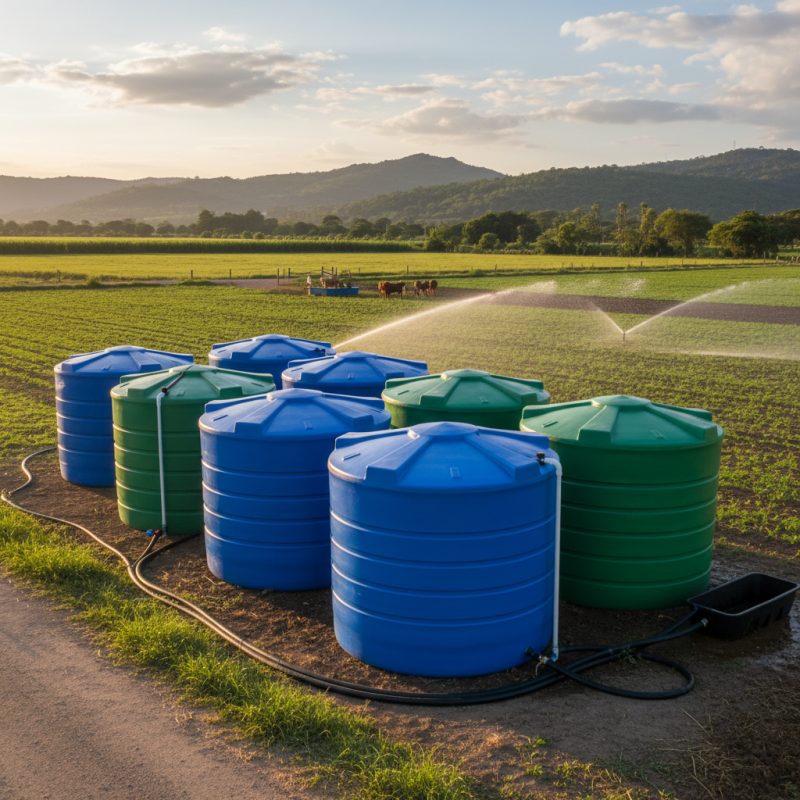
Plastic tanks are often used for irrigation and livestock watering. They come in various sizes, catering to different needs. Farmers find that plastic tanks are cost-effective compared to traditional options. However, some may worry about long-term durability and environmental impact.
In recent years, advancements in technology have improved plastic tanks significantly. Many are now made from recycling materials, which reduces environmental concerns. Overall, plastic tanks provide a flexible and efficient way to manage water resources, yet scrutiny about their lifespan remains.
Advantages of Plastic Tanks in Water Storage Solutions
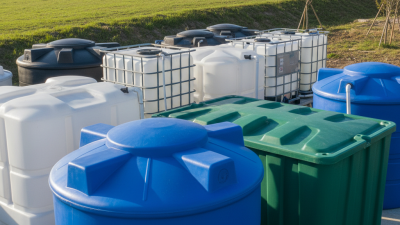
Plastic tanks are gaining popularity in water storage solutions, especially in agriculture. They are lightweight and easy to install. Farmers appreciate their versatility. These tanks come in various sizes, suitable for different needs. The capacity ranges from small to large, making them adaptable for any farming operation.
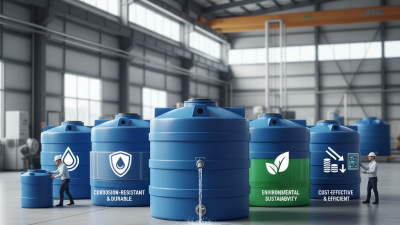
Durability is another key advantage. Unlike metal tanks, plastic tanks resist corrosion. This makes them ideal for storing chemicals or fertilizers. Maintenance is minimal, which reduces long-term costs. However, it’s crucial to check for UV damage over time. Choosing the right tank for your environment is important.
Another aspect to consider is insulation. Plastic tanks can help maintain stable water temperatures. This is valuable for crops that require specific conditions. Still, proper placement is vital. A spot with minimal sunlight exposure is best. While plastic tanks offer numerous benefits, mindful usage is essential for optimal efficiency.
Durability and Longevity of Plastic Tanks for Agriculture Use
When considering durability, plastic tanks stand out in agricultural settings. They resist corrosion, which means long-lasting use without concerns about rust. Additionally, these tanks can withstand harsh weather. UV stabilization helps prevent damage from sunlight. This feature extends their lifespan significantly when compared to metal.
However, they are not indestructible. Over time, exposure to extreme temperatures may compromise their integrity. Farmers should regularly inspect tanks for any signs of wear. Small cracks could lead to leaks, wasting precious water resources. Proper maintenance is crucial to ensure they serve their intended purpose effectively.
The lightweight nature of plastic tanks makes them easy to transport. This convenience can streamline the installation process. Yet, if not properly secured, they might be prone to tipping in windy conditions. Overall, while plastic tanks offer impressive durability, vigilant care and proper usage are essential for maximizing their benefits in agriculture.
Cost-Effectiveness of Plastic Tanks Compared to Other Materials
Plastic tanks have become a popular choice for water storage in agriculture. Their cost-effectiveness is a significant factor. Compared to metal or concrete tanks, plastic tanks are typically cheaper to manufacture and install. This means farmers can allocate their budgets more effectively.
Another consideration is maintenance. Plastic tanks are lightweight and easy to move. They also resist rust and corrosion, unlike metal options. However, they may require periodic inspections for cracks or UV damage. Maintaining the integrity of the tank is crucial for effective water storage.
Additionally, while the initial cost is lower, the durability of plastic tanks can vary. Some models may not stand the test of time in harsh weather. Investing in high-quality options can lead to better long-term value. Overall, weighing these factors is essential for a wise purchase decision.
Ease of Installation and Maintenance of Plastic Water Tanks
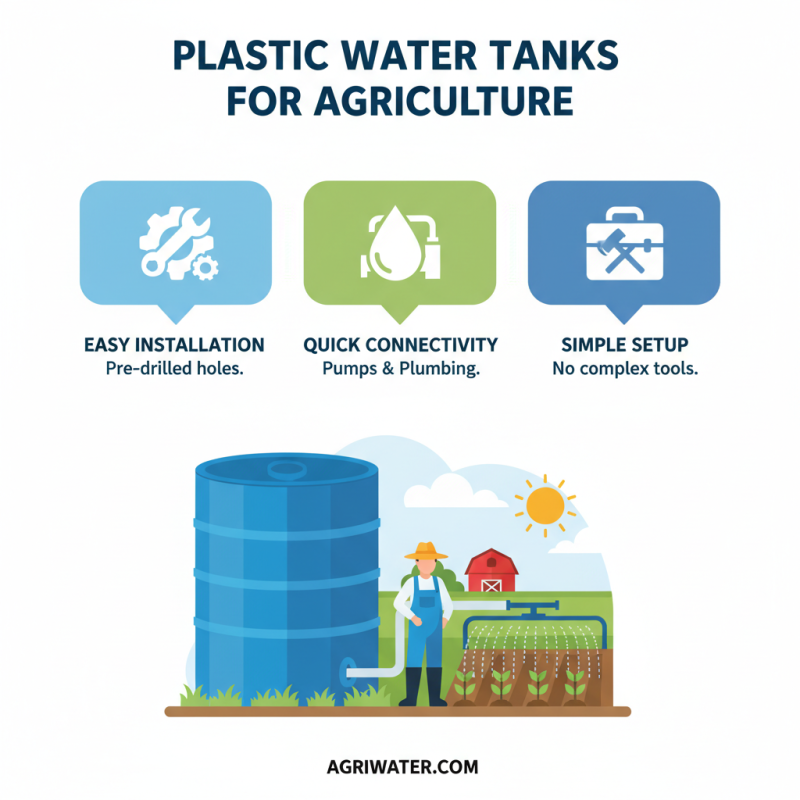
When it comes to water storage and agriculture, plastic tanks offer significant advantages. Installation is straightforward. Many plastic tanks come with pre-drilled holes. You can easily connect them to pumps or plumbing systems. This is particularly useful for farmers who need quick setups. No complicated tools are required. Just a few basic items will do the job.
Maintenance is another area where plastic tanks shine. They are lightweight and easy to access, allowing for hassle-free cleaning. Some models are designed to resist algae growth, reducing maintenance frequency. However, it's vital to check for signs of wear. Over time, UV exposure can cause fading and brittleness. Regular inspections can help catch these issues early. Addressing them promptly is crucial for longevity.
Despite their many benefits, plastic tanks can have their drawbacks. For instance, extreme temperatures may affect their structural integrity. In freezing conditions, they might crack if not properly insulated. It's important to consider local climate when choosing a tank. Understanding these limitations can lead to smarter decisions.
Environmental Impact and Sustainability of Plastic Water Storage Tanks
Plastic tanks for water storage are becoming a popular choice in agriculture due to their environmental advantages. These tanks are lightweight and durable, reducing energy use during transport. They also have a long lifespan, which means fewer replacements and less waste. Moreover, many plastic tanks today are made from recyclable materials, promoting a circular economy.
Tips: Ensure your plastic tank is made from UV-resistant materials to prolong its life. Regularly inspect the tank for any signs of wear or damage. Proper maintenance can extend its lifespan significantly.
While plastic tanks offer many benefits, there are challenges. Not all plastics are created equal. Some may leach chemicals into the water over time, affecting safety. This is an important aspect to reflect on when choosing a tank. It's best to research types of plastics to ensure you select those that are food-grade and safe for water storage.
Tips: Consider using tank liners to enhance safety and protect the water quality. Always store tanks in shaded areas to minimize temperature fluctuations, which can degrade the material.