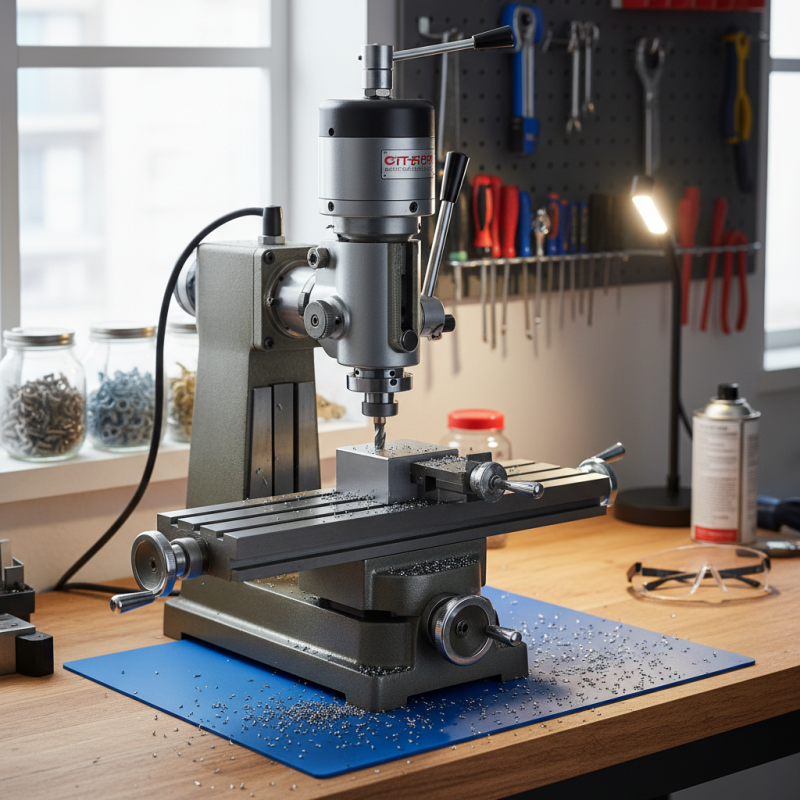
What is a Bench Top Milling Machine and How Does It Work?
A Bench Top Milling Machine is an essential tool for many machinists and DIY enthusiasts. It offers precision and versatility in metalworking tasks. These machines are compact, making them suitable for home workshops.
The design of a Bench Top Milling Machine allows users to create intricate parts efficiently. Users can adjust speed and feed rates, ensuring smooth operation. Proper setup is crucial for achieving the best results. However, beginners may find it challenging to master.
This machine has potential limitations. Misalignment can lead to errors in the final product. Regular maintenance is necessary to maintain accuracy. Understanding its mechanics can open new possibilities for creativity in projects.
What is a Bench Top Milling Machine?
A bench top milling machine is a compact tool used in various industries. It is designed for precision machining and offers versatility in shaping materials. These machines are popular among hobbyists and professional machinists alike.
Typically, a bench top milling machine has an adjustable table where the workpiece is placed. The cutting tool rotates at high speeds to remove material. Users can create intricate designs, like gears and brackets. However, achieving perfect results requires practice and skill. Miscalculations can lead to wasted materials and time.
Setting up the machine can be a challenge. Beginners might struggle with calibrating settings. It’s essential to regularly check alignment and maintain the tool. Users often learn through trial and error, slowly improving their technique. Each project presents a new opportunity for growth and understanding.
Key Components of a Bench Top Milling Machine
Bench top milling machines are essential tools in many workshops. They provide versatility for both professional and hobbyist machinists. Understanding the key components of these machines is vital for getting the most out of them.
The most critical component is the spindle. It holds the cutting tool and rotates at various speeds. Most bench top models have spindles that operate at 1,000 to 3,500 RPM. This range allows for a variety of materials to be machined. Poor spindling can lead to imprecise cutting, resulting in wasted materials and time.
Another significant part is the table, which supports the workpiece. Tables are often adjustable. They usually offer movement in multiple axes. Precision is crucial here; even slight misalignments can lead to inaccuracies. With a high-quality table, you can achieve cuts within 0.001 inches. Many users struggle with stability, which affects their output. Finally, the motor powers the entire operation. Typical motors in bench top milling machines range from 1 to 2 horsepower. This energy helps in handling tough materials. However, underpowering may lead to overheating and motor failure, an issue often overlooked by beginners.
How a Bench Top Milling Machine Operates
A bench top milling machine is a vital tool for precision machining. These machines operate using a rotating cutter that removes material from a workpiece. The workpiece is securely clamped to the machine table. The tool moves both vertically and horizontally. This allows for complex shaping and drilling of metal and wood materials.
When operating a bench top milling machine, it is crucial to understand its components. The spindle holds the rotating tool. The table adjusts to position the workpiece correctly. Automatic feed mechanisms can enhance productivity, as noted in industry reports indicating that user productivity can increase by over 30% with automation. However, users should be cautious. Not all setups work seamlessly, and material misalignment can lead to wasted resources.
Tips: Always verify the alignment of your workpiece before starting. Regularly check your cutting tools for wear to prevent inaccuracies. While many operators overlook maintenance, this can significantly impact efficiency and quality. Missing minor details can lead to major setbacks in projects, underscoring the importance of precision in milling operations.
Applications of Bench Top Milling Machines
Bench top milling machines are versatile tools used in various applications across industries. Their compact size makes them ideal for small workshops and hobbyists. They are often employed in manufacturing, prototyping, and DIY projects. According to a report from Allied Market Research, the global CNC milling machine market size was valued at approximately $60 billion in 2020 and is expected to grow significantly. This growth indicates a rising demand for efficient and precise milling solutions.
In manufacturing, bench top milling machines are commonly used to shape and cut materials like metal and plastic. They perform operations such as drilling, slotting, and contouring with high precision. For hobbyists and small-scale producers, these machines facilitate custom projects, like creating detailed parts for models or machinery. It's worth noting that while these machines offer great utility, they can also pose safety challenges. Proper training and safety measures are crucial.
Additionally, there are environmental considerations. The production and disposal of machining waste can impact the surrounding areas. Users should reflect on their processes and minimize waste. A balance between productivity and environmental responsibility is essential for sustainable practices in the milling industry. Ensuring efficient operations while maintaining a focus on ecological impact is a necessary conversation for all who use these machines.
What is a Bench Top Milling Machine and How Does It Work? - Applications of Bench Top Milling Machines
| Feature | Description | Applications |
| Size | Typically compact, suitable for small workshops | Perfect for hobbyists and DIY projects |
| Power | Range from 0.5 HP to 3 HP | Used for metal fabrication |
| Control Type | Manual or CNC | Precision engineering tasks |
| Material Compatibility | Aluminum, Brass, Mild Steel, Stainless Steel | Manufacturing components for machinery |
| Typical RPM | Up to 3000 RPM | Ideal for fine milling operations |
Benefits of Using a Bench Top Milling Machine
A bench top milling machine is a compact tool that offers precision and convenience. It is designed for smaller workshops and hobbyists. One of the biggest benefits of using this machine is its space-efficiency. It fits well on most workbenches, making it accessible for various users.
Moreover, these machines are versatile. You can use them for a variety of materials, including metal, wood, and plastics. With the right settings, intricate details can be achieved, enhancing your projects. Yet, it requires a learning curve. Understanding the controls and setup can be tricky for new users. Mistakes may happen, leading to imperfect results.
The affordability of bench top milling machines is another significant benefit. They are generally more cost-effective compared to larger models. This price advantage allows hobbyists to explore machining without breaking the bank. However, quality may vary, and some machines may not meet all expectations. Careful selection and research are essential to ensure better performance and satisfaction.