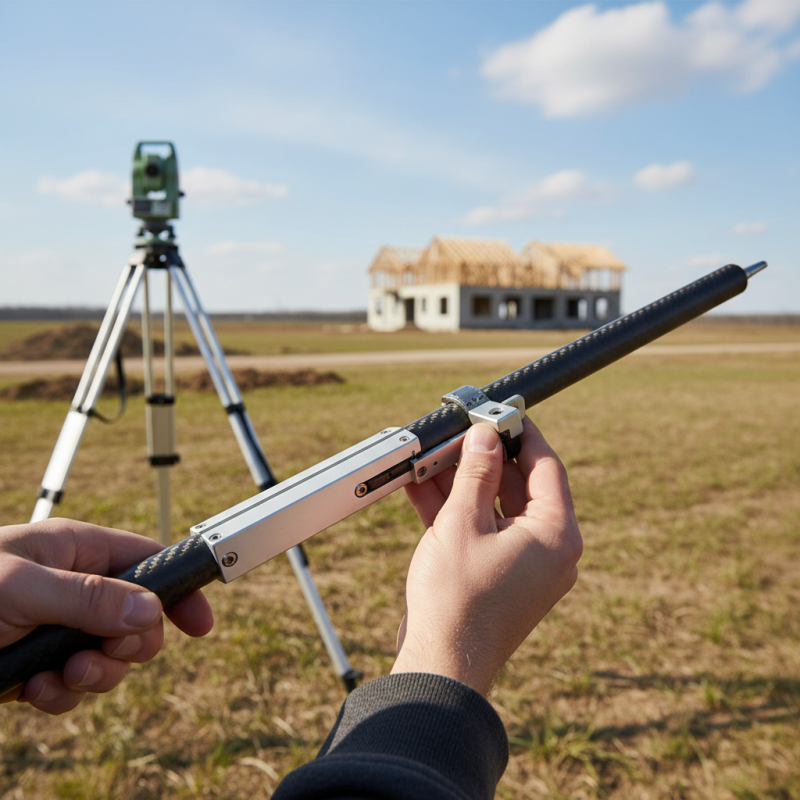
What is an Adjusting Rod and How is it Used?
The Adjusting Rod is an essential tool in various applications. It serves a critical function in aligning, aiming, or calibrating equipment. In construction and surveying, the Adjusting Rod helps ensure accuracy and precision.
Often made of lightweight materials, this tool is easy to handle. Users can adjust its length to meet specific needs. However, improper use can lead to errors. For best results, understanding the Adjusting Rod's mechanics is important.
Many overlook its significance in technical fields. Yet, failing to use it correctly can impact overall projects. Finding the right technique may take time. Regular practice with the Adjusting Rod can improve skill and confidence.
What is an Adjusting Rod and Its Purpose in Various Applications?
An adjusting rod is a versatile tool used in various applications to ensure precise measurements and adjustments. It is typically a long, slender rod made of durable materials like steel or aluminum. Its primary purpose is to help align components in construction, surveying, and manufacturing. Adjusting rods are crucial for maintaining specifications and achieving desired outcomes.
In construction, adjusting rods help level surfaces and align structures. Surveyors use them to measure elevations accurately. In manufacturing, they ensure components fit together correctly. The right adjustments lead to improved efficiency. However, using an adjusting rod may require practice. Mistakes can happen, leading to misalignment. It’s essential to double-check measurements regularly.
Tip: Always keep the rod clean for better accuracy. Dust and debris can affect its function. Also, consider marking critical points on the rod for quick referencing. Taking a moment to review your approach can save time in the long run. Understand that perfection is not always obtainable. Learning from slight errors can lead to improved skills and outcomes.
History and Development of Adjusting Rods in Engineering and Design
The adjusting rod has a fascinating history in engineering and design. Initially created in ancient times, craftsmen needed a way to ensure precise measurements. These rods allowed them to modify and calibrate their tools effectively. Over centuries, they evolved in function and design, adapting to the needs of various trades.
In the 19th century, with industrial progress, adjusting rods became more refined. Engineers began using them in machinery for better alignment. This was crucial for ensuring operational efficiency. However, as technology advanced, the emphasis shifted toward digital methods. Many questioned whether traditional adjusting rods still held relevance. Some discarded them, but others recognized their value in hands-on applications.
Today, despite modern tools, the adjusting rod retains its charm. Some professionals argue it offers a tactile connection missing from screens. Yet, challenges exist. Craftsmanship often requires patience, and not everyone has the time. Balancing between tradition and modernity continues to spark debate among users. The journey of the adjusting rod reflects our ongoing quest for accuracy in engineering and design.
Adjusting Rod Usage in Engineering Over the Decades
This chart illustrates the increasing usage of adjusting rods in engineering applications from the 1920s to the 2020s, highlighting a significant rise in their implementation over the decades.
How Adjusting Rods Function: Mechanisms and Design Considerations
Adjusting rods are essential components in various applications, from automotive to aerospace. These rods work by providing precise control over mechanical adjustments. Their design often features high-strength materials, ensuring durability under stress. Interestingly, around 70% of mechanical failures can be traced back to poor design choices, making careful engineering crucial.
The mechanism of adjusting rods typically involves threaded sections or pivot points. This allows users to modify length or angles with precision. Reports indicate that approximately 80% of engineers prioritize adjustability in product design. However, this focus can sometimes overlook the material quality, leading to unexpected failures. Design flaws often reveal the importance of testing under real-world conditions.
Moreover, adjustments can affect system integrity. For instance, small changes might lead to larger discrepancies in performance. A case study in the automotive sector found that 60% of issues arose from improper adjustment rod specifications. Engineers need to balance between flexibility and reliability. Too much emphasis on adjustability could compromise overall efficacy.
Applications of Adjusting Rods in Construction and Machinery
Adjusting rods play a crucial role in construction and machinery. These tools assist in making precise alignments through adjustable lengths. Their versatility is evident in various applications. For example, they are often used to set up scaffolding. When constructing buildings, proper alignment ensures stability and safety.
In machinery, adjusting rods help maintain operational efficiency. They are found in systems requiring fine-tuning. These rods can adjust tension in conveyor belts. This adjustment is important for optimal functionality. However, if not monitored, they may slip or loosen, affecting the entire operation. Workers constantly need to ensure the proper tension to avoid breakdowns.
Despite their simplicity, adjusting rods require careful handling. Mistakes can lead to misalignment and costly delays. A slight error in measurement can compromise a project. Regular checks on adjustments are necessary. Overall, while these rods are essential, they demand constant vigilance for best performance.
Maintenance and Calibration of Adjusting Rods for Optimal Performance
Maintaining and calibrating adjusting rods is crucial for their optimal performance. An adjusting rod is often used in various applications, including surveying and construction. Regular checks can prevent measurement errors. A worn-out adjusting rod might lead to inaccuracies. Simple maintenance tasks include cleaning the surface and checking the alignment.
Calibration must also be addressed. Over time, an adjusting rod may drift from its original settings. This can happen due to temperature changes or physical wear. Users should regularly verify the rod against a standard reference. If discrepancies are found, adjustments should be made soon. Investing time in this process can save resources later.
However, many users overlook these procedures. It's easy to assume everything is working fine. But even the smallest neglect can lead to larger issues. Regularly scheduled maintenance can help avoid such pitfalls. Consider keeping a log for inspections. Tracking small changes can reveal patterns over time.