
Choosing the best Abrasive Metal Cutting Disc in 2026 requires more than comparing prices. Buyers need dependable cutting performance, safe operation, and consistent production quality. A disc that slices mild steel smoothly may struggle with stainless steel or thicker sections. The right choice depends on the metal type, material thickness, grinder compatibility, disc diameter, and maximum operating speed.
Small details matter.
During practical workshop use, cutting speed, edge quality, vibration, and spark control reveal a disc’s real value. A thin disc may reduce material loss and create faster cuts. However, it can feel less stable when used incorrectly. Thicker discs may offer greater rigidity, but they can remove more material and require additional pressure. Experienced buyers should review manufacturer specifications, certified safety information, batch consistency, and independent performance evidence before purchasing.
No single wheel fits every workshop.
This guide examines the key factors behind a reliable Abrasive Metal Cutting Disc, including abrasive grain, bonding strength, reinforcement layers, storage, and service life. It also compares common buying priorities for fabricators, maintenance teams, contractors, and industrial users. Practical observations are included, because catalog claims do not always match field conditions. Even experienced professionals can overlook heat buildup or incorrect mounting. That weakness deserves attention. A careful buying decision balances cutting efficiency, operator control, total cost, and verified safety requirements. The best option is not always the fastest disc. It is the disc that performs predictably for the intended metal, equipment, and working environment.
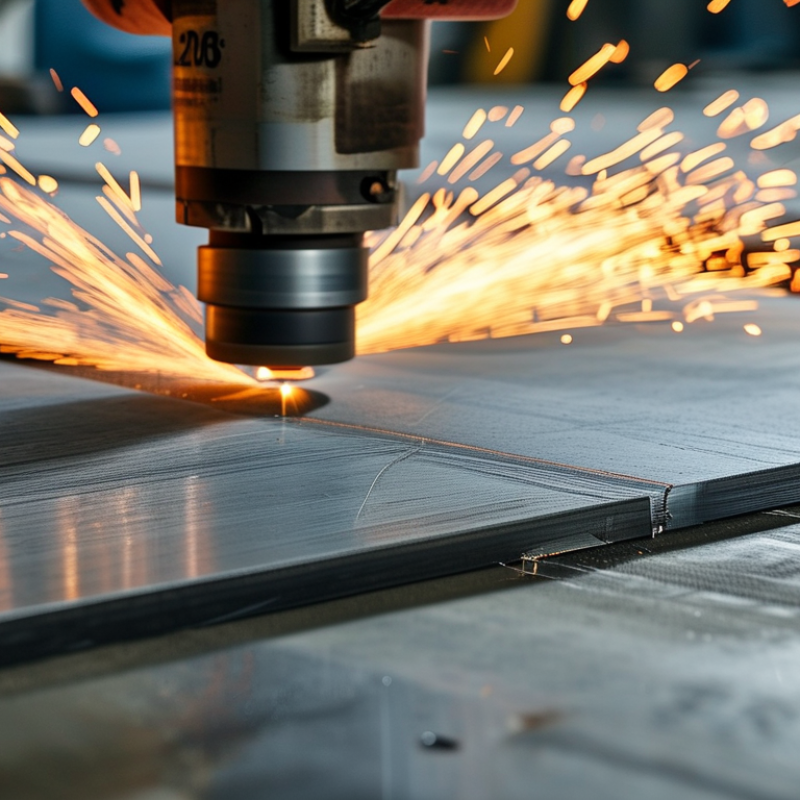
An abrasive metal cutting disc is a thin, reinforced wheel that removes metal through controlled abrasion. It contains abrasive grains, resin bonding material, and fiberglass reinforcement. Aluminum oxide suits common steel, while harder grain types may improve cutting on stainless steel. The disc does not slice like a saw. Its exposed grains fracture and create a narrow kerf, producing sparks, heat, and fine dust.
The choice depends on metal hardness, disc thickness, diameter, and machine speed. A practical inspection should check the printed maximum RPM, visible cracks, edge damage, and correct mounting. The European Federation of Abrasive Producers identifies speed control, guarding, and flange condition as key safety factors. Small details matter. A loose flange can cause vibration, uneven wear, and a rough burr.
Market research published in 2024 estimated that the global abrasives market would grow at roughly 4–6% annually through the decade. That expansion reflects demand from fabrication, construction, transportation, and maintenance. However, market growth does not make every disc suitable. A thinner disc may cut faster, yet it can feel less stable during heavy steel work. A thicker disc may last longer, but it can generate more heat. Buyers should compare actual cutting performance, not only package claims. This remains an imperfect decision, especially when material grade and operator technique vary.
Buyer-oriented comparison of common reinforced abrasive metal cutting disc specifications and suitable applications.
| Disc Category | Typical Diameter | Typical Thickness | Common Bore Size | Abrasive Type | Typical Grit | Suitable Materials | Typical Maximum Speed* | Best Use | Key Buying Considerations |
|---|---|---|---|---|---|---|---|---|---|
| Ultra-Thin Handheld Disc | 100–125 mm | 0.8–1.2 mm | 16 mm or 22.23 mm | Aluminum oxide | Cutting-grade coarse grit, commonly 30–46 | Carbon steel, mild steel, galvanized steel | Up to approximately 13,300 rpm for 100/115 mm discs; follow the disc label | Fast, low-burr cuts on sheet metal, tubing, bolts and thin profiles | Choose a reinforced disc with low side pressure resistance and a diameter approved for the angle grinder |
| General-Purpose Handheld Disc | 115–125 mm | 1.2–1.6 mm | 22.23 mm | Aluminum oxide or ceramic-blend abrasive | 30–46 | Mild steel, structural steel, stainless steel with the correct formulation | Approximately 12,250–13,300 rpm, depending on diameter and product rating | Everyday workshop and maintenance cutting | Balance cutting speed, service life, edge quality and compatibility with the workpiece |
| Stainless-Steel Cutting Disc | 100–125 mm | 1.0–1.6 mm | 16 mm or 22.23 mm | Low-iron aluminum oxide or specialized abrasive blend | 30–46 | Stainless steel, acid-resistant steel and other corrosion-resistant alloys | Commonly up to 12,250–13,300 rpm for 115–125 mm sizes | Cutting stainless tube, sheet, bar and small profiles | Use a disc specifically marked for stainless steel and low iron, sulfur and chlorine contamination |
| Heavy-Duty Handheld Disc | 180–230 mm | 1.6–2.5 mm | 22.23 mm | Aluminum oxide with fiberglass reinforcement | 30–46 | Carbon steel, angle iron, thick-wall tube and larger sections | Approximately 6,650–8,500 rpm, depending on diameter | Deeper cuts and longer work cycles on large metal sections | Confirm guard size, spindle compatibility, rated rpm and the grinder’s power output |
| Stationary Chop-Saw Disc | 300–355 mm | 2.5–3.2 mm | 25.4 mm or application-specific bore | Aluminum oxide | 24–36 | Steel bar, pipe, channel, angle and other workshop stock | Typically about 3,800–5,100 rpm, depending on diameter and machine | Repeatable straight cuts in a fixed abrasive cut-off saw | Disc speed must be equal to or greater than the saw’s no-load speed; use the correct mounting flanges |
| High-Productivity Disc | 115–125 mm | 1.0–1.6 mm | 22.23 mm | Ceramic or premium ceramic-aluminum oxide blend | 30–46 | Carbon steel, alloy steel and demanding fabrication materials | Usually up to the rated speed for the disc diameter, often 12,250–13,300 rpm | High cutting volume where reduced cutting time is important | Higher purchase cost may be justified by faster cutting and consistent performance; verify material suitability |
| Thin-Sheet Precision Disc | 100–115 mm | 0.8–1.0 mm | 16 mm or 22.23 mm | Fine aluminum oxide or ceramic-blend abrasive | 46–60 | Thin steel sheet, wire, small tubing and light-gauge profiles | Up to approximately 13,300 rpm, subject to the manufacturer’s rating | Clean, narrow cuts with limited material loss | Use light, steady feed pressure and avoid twisting the disc in the cut |
| Aluminum-Cutting Abrasive Disc | 115–125 mm | 1.2–1.6 mm | 22.23 mm | Specialized non-loading abrasive formulation | 24–46 | Aluminum profiles, sheet and non-ferrous sections | Typically up to 12,250–13,300 rpm for common handheld sizes | Cutting aluminum where standard steel discs may load or clog | Select a disc explicitly rated for aluminum; do not substitute a general steel disc without confirmation |
| Petrol-Saw or Large Cut-Off Disc | 300–400 mm | 3.0–4.0 mm | 20 mm, 25.4 mm or machine-specific bore | Heavy-duty aluminum oxide with multiple fiberglass layers | 24–36 | Large steel pipe, rail sections, heavy structural steel and cast iron where approved | Machine-specific; commonly about 3,800–6,400 rpm | Field cutting and heavy-duty sectioning with compatible equipment | Check machine approval, disc diameter, bore, guard, cutting direction and vibration requirements |